


Body Skin Whitening requires more than just lotions and home remedies. Discover 6 effective solutions for body skin whitening, including sun protection, niacinamide, vitamin C, exfoliation, and melanin control for brighter, healthier-looking skin.
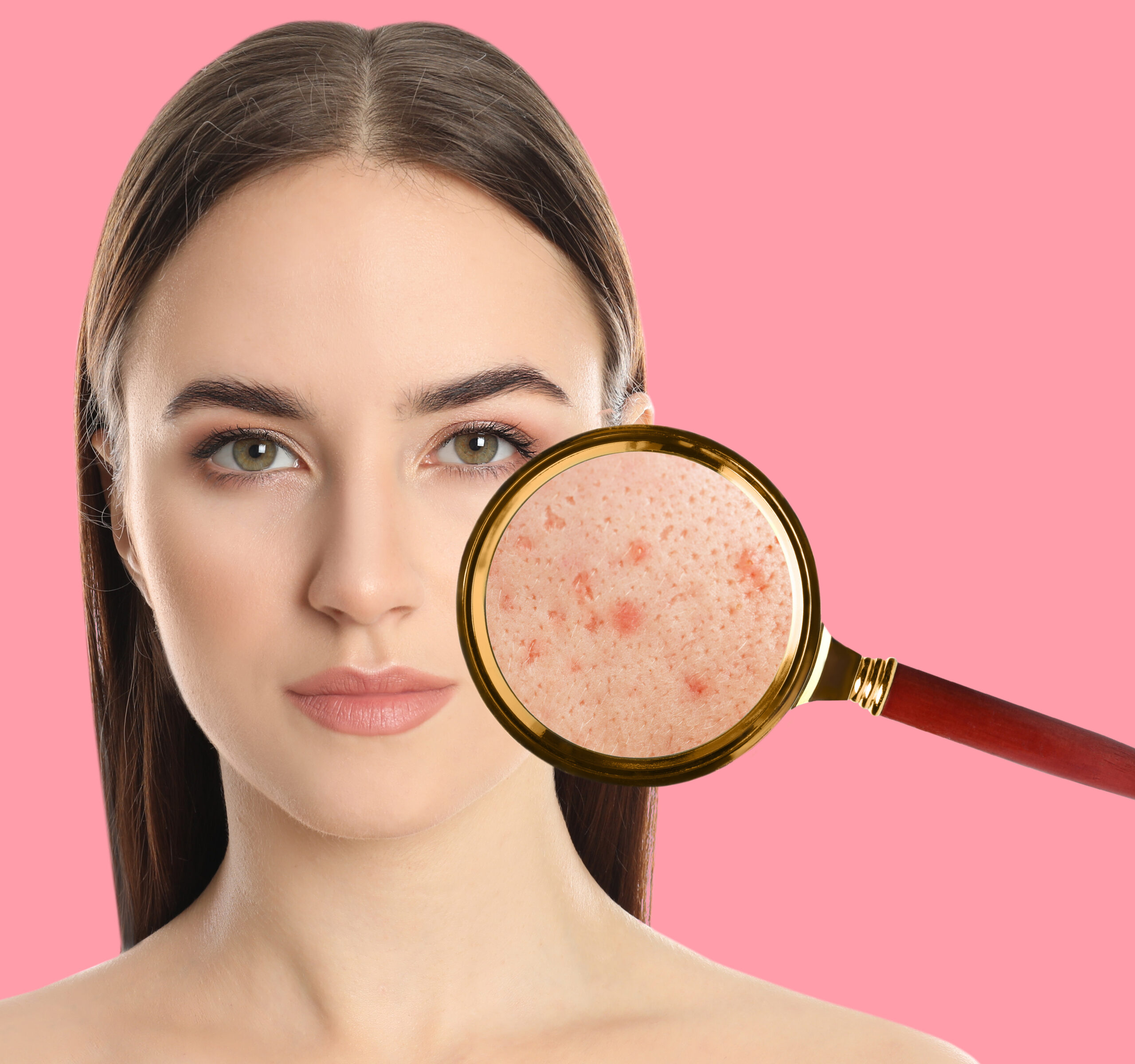
Pigmentation isn’t just a facial concern—body skin can also develop uneven tone, dark patches, and dullness. Unlike facial skin, body skin has a thicker stratum corneum and slower turnover, making whitening more challenging. Here’s a comprehensive look at proven strategies to brighten body skin and prevent pigmentation.
Why Body Skin Needs Special Care
Sun Protection: Your First Line of Defence
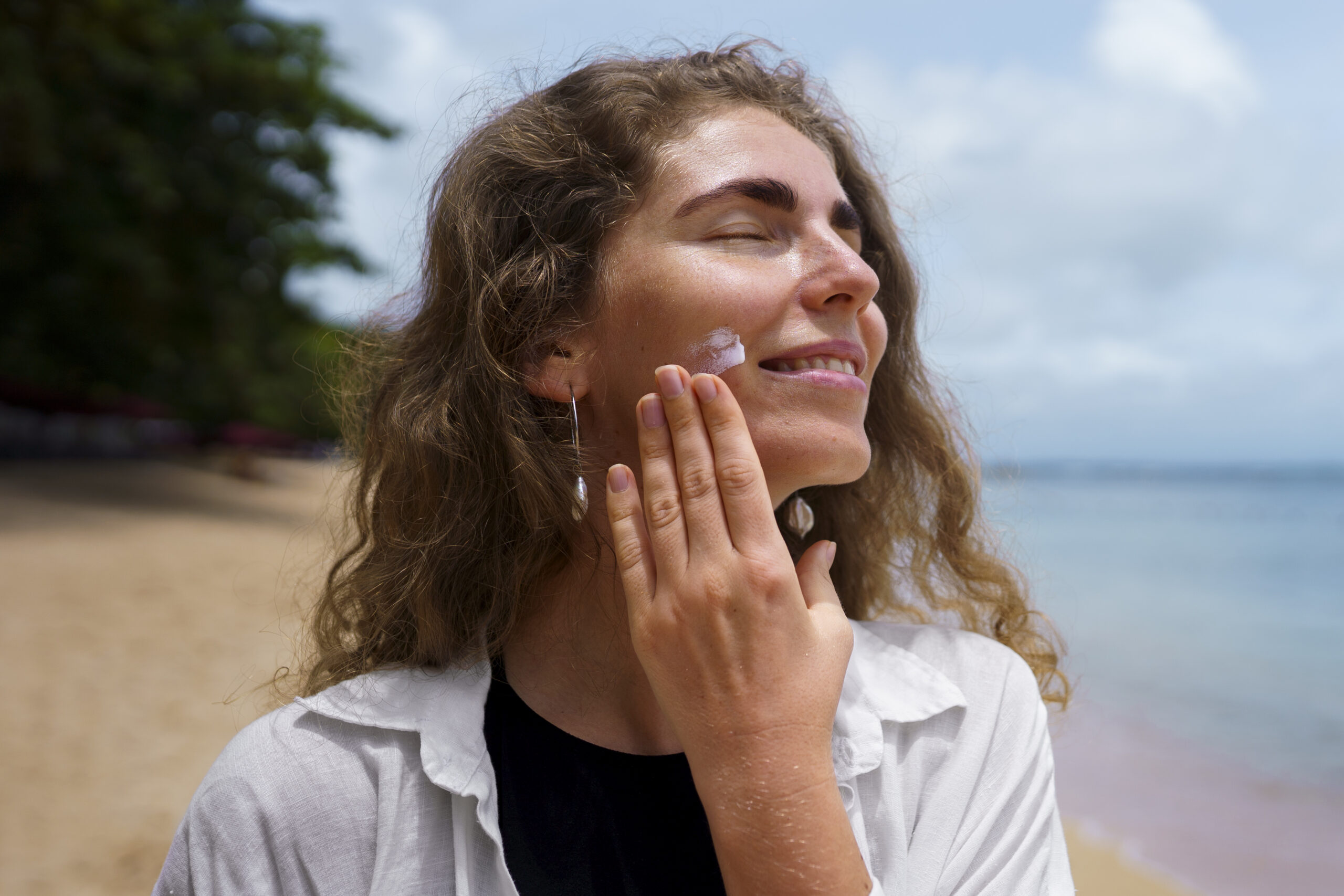
UV radiation is the biggest culprit behind pigmentation. UVB rays (280–320 nm) penetrate the skin and trigger melanocyte activity, leading to melanin production and tanning. Sunscreens are essential to block this process.
Chemical sunscreens absorb UV rays and prevent melanocyte activation. Common agents include cinnamic acid derivatives and aminobenzoates.
Physical sunscreens like zinc oxide and titanium dioxide reflect and scatter UV rays.
Look for products with SPF for UVB protection and PA rating for UVA defense. For outdoor activities, choose high SPF and reapply every 2–3 hours. For daily indoor use, SPF 30 is sufficient. Remember: body skin often needs stronger sun protection than facial skin because it’s less adapted to UV exposure.
Interfering with Melanin Formation
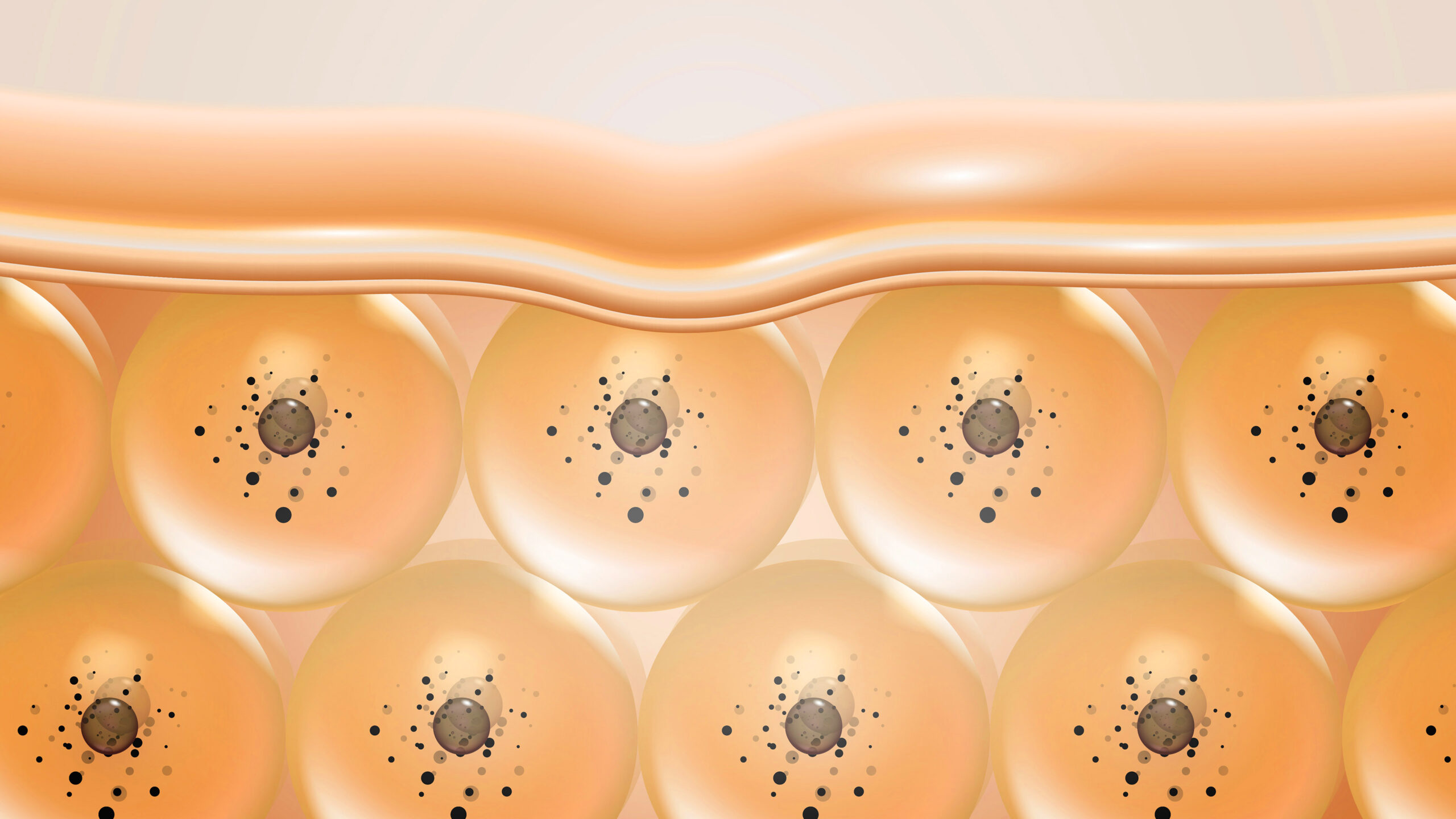
Melanin synthesis is a complex process, but certain ingredients can interrupt it effectively.
Tyrosinase inhibitors, such as kojic acid, arbutin, and glabridin, block the activity of tyrosinase—the key enzyme responsible for melanin production—thereby reducing pigment formation.
Dopachrome isomerase inhibitors slow down melanin conversion, which affects pigment size and color.
Additionally, antioxidants like Vitamin C and its derivatives reverse oxidation reactions during melanin synthesis, helping to lighten skin tone naturally.
Blocking Melanin Transport
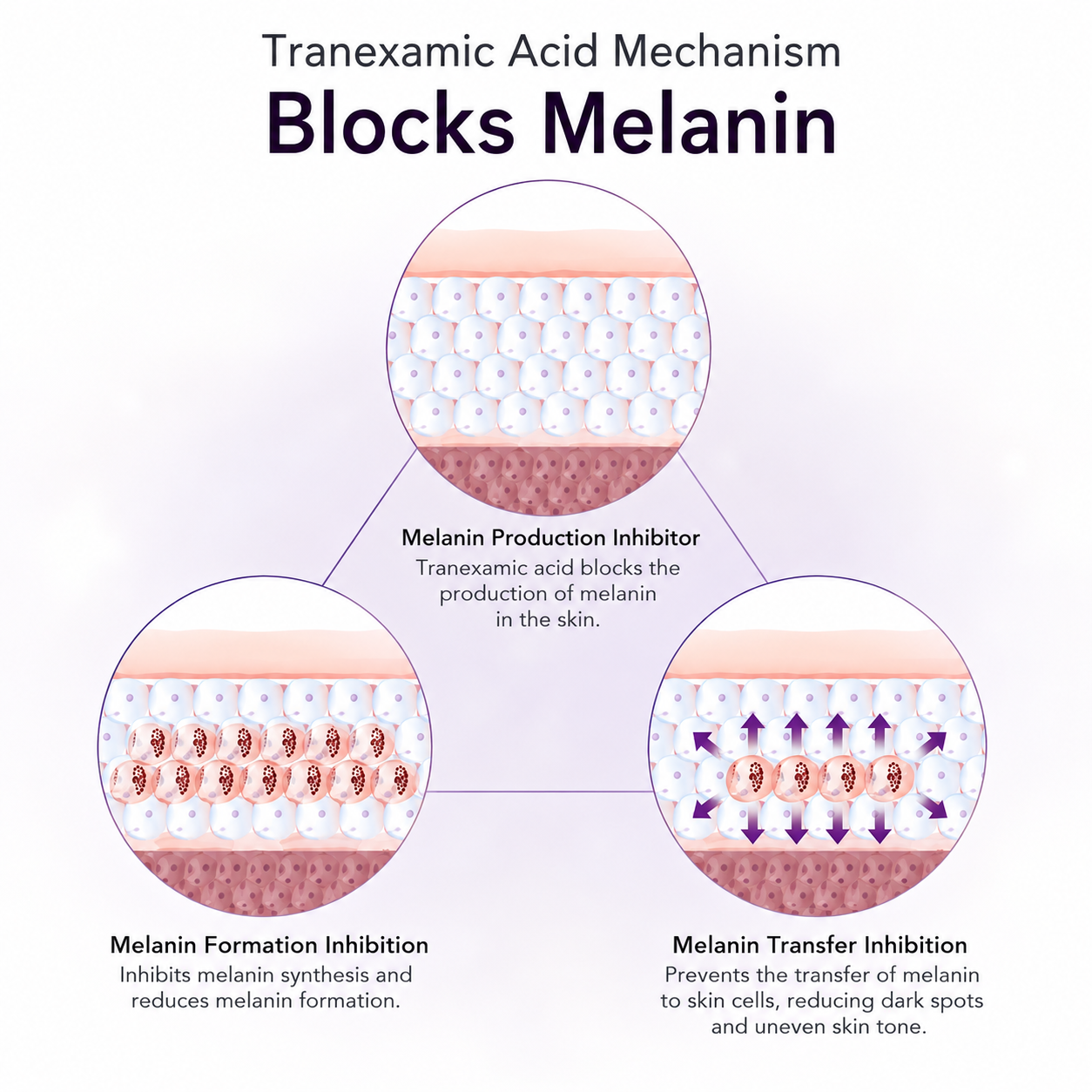
Even after melanin is formed, it needs to move from melanocytes to keratinocytes to become visible. Ingredients like niacinamide prevent this transfer, reducing pigmentation and improving brightness. Niacinamide also boosts skin barrier health and accelerates cell turnover for a smoother, more radiant look.
Accelerating Melanin Breakdown
Melanin degradation inside keratinocytes can be enhanced through autophagy, a natural cellular process. Certain compounds, such as ginsenosides, activate autophagy pathways, helping break down melanosomes faster and fade pigmentation over time.
Managing the Stratum Corneum
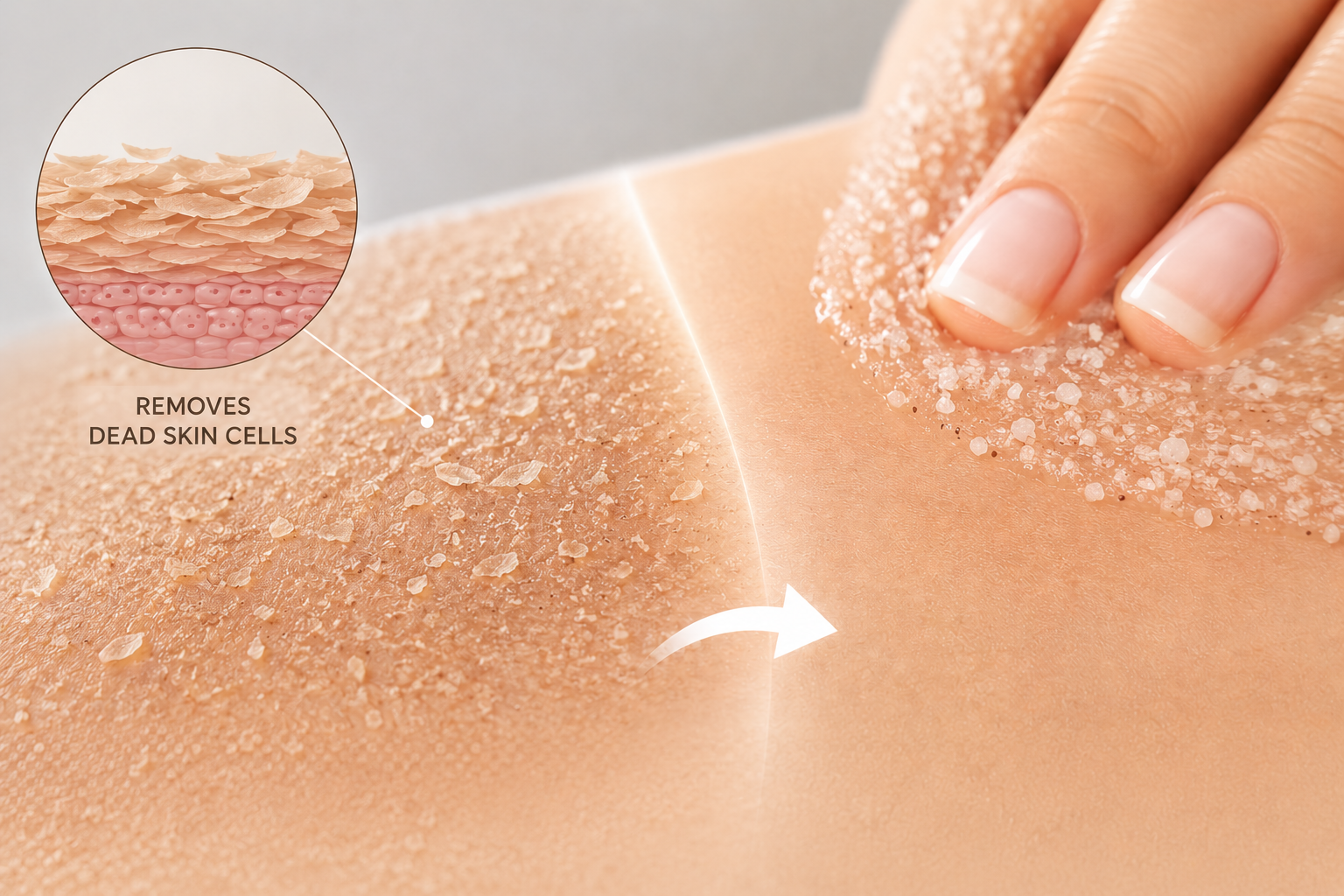
A thick, rough stratum corneum makes skin look dull and blocks whitening agents, which is why regular exfoliation is essential. Physical scrubs help remove dead cells through gentle friction, while chemical exfoliants like salicylic acid dissolve old keratin, improving transparency and allowing whitening ingredients to penetrate deeper. However, chemical peels should always be used cautiously to avoid irritation.
Preventing Inflammation
Inflammation triggers melanogenesis. Ingredients like bisabolol, bamboo leaf extract, and pine pollen extract reduce inflammatory mediators such as IL-1β, preventing post-inflammatory hyperpigmentation. Anti-inflammatory care is essential for long-term skin tone improvement.
Final Thoughts
Body skin whitening isn’t about quick fixes—it’s about a holistic approach. Combine sun protection, melanin control, exfoliation, and anti-inflammatory care for lasting results. Choose products with proven actives like niacinamide, vitamin C, and tyrosinase inhibitors, and maintain consistent care to keep your skin bright and healthy.
