

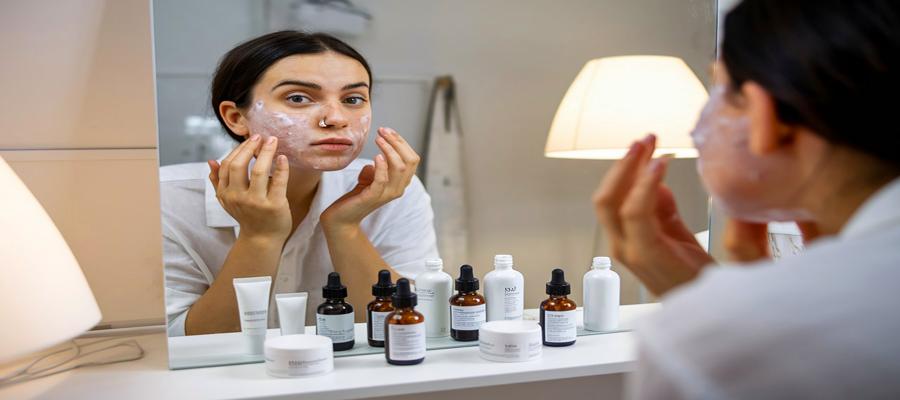
How to layer serums correctly for maximum results. Discover the right order, step-by-step routine, and expert tips to boost absorption and improve your skin.
Face serums have become a staple in modern skincare routines, thanks to their ability to deliver concentrated active ingredients deep into the skin. However, using multiple serums without understanding the correct layering technique can lead to poor absorption or even irritation. The key to unlocking their full potential lies in applying them in the right order.
Why Layering Serums Matters
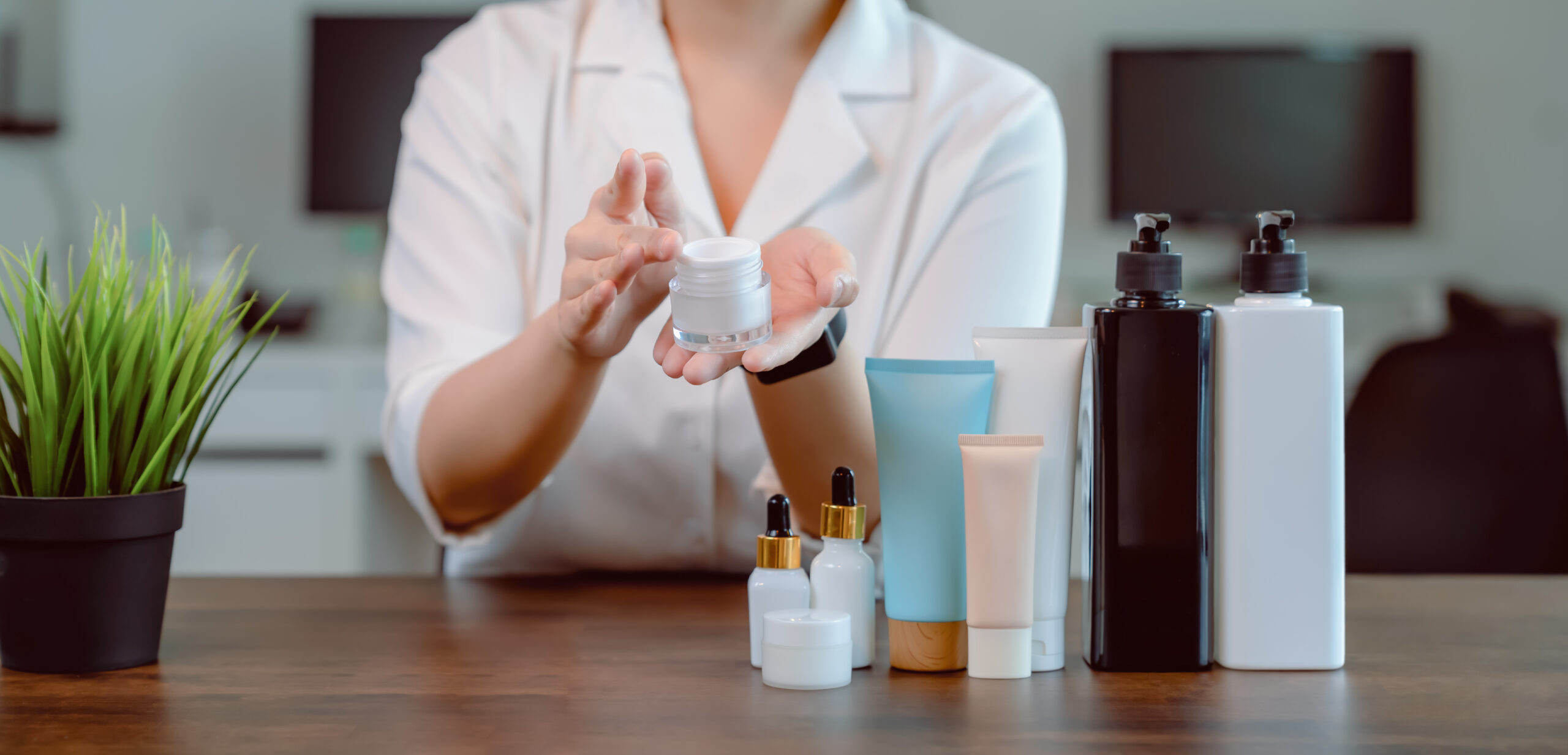
Face serums deliver 10x more active ingredients than standard creams, making them powerful and results-driven. Because they have different textures—water-based, gel, emulsion, or oil—each layer needs space to absorb effectively. If heavier serums are applied first, lighter formulas cannot penetrate, reducing overall efficacy. Layering properly helps improve hydration, enhance elasticity, refine texture, and minimize pore visibility while allowing every active ingredient to work at its full potential.
The Golden Rule: Lightest to Heaviest

Correct layering is based on texture—not ingredient priority. Always apply serums in this order:
Water-grounded or Water-Based Serums
These absorb instantly and deliver water-soluble actives like niacinamide, peptides, panthenol, or vitamin C derivatives. Because of their thin, fluid texture, they should always go first, directly after cleansing or toner.
Gel Serums
Gel serums provide refreshing hydration and blend seamlessly with other products. Their soothing ingredients—such as aloe vera, centella asiatica, green tea, or hyaluronic acid—support clarity and calmness without clogging pores. Apply them after water-based serums if you’re layering.
Emulsion Serums
These lotion-like textures combine water and oil phases, offering deep nourishment, elasticity, and barrier comfort. Since they are more substantial, they work beautifully as a serum step or as a lightweight moisturizer in humid climates. Always apply them after all thinner layers.
Oil-Based Serums
Oils seal in moisture and act as a protective finishing layer. They help reduce water loss, soften the skin, and support barrier repair. Apply oil-based serums near the end, so they do not block lighter formulas from absorbing.
Pressed Balm Serums (Nighttime or Targeted Use)
Balm serums are solid-to-cream textures that deliver intense nourishment and occlusive protection. Best used as a final step at night, especially on dry, irritated, mature, or post-treatment skin. They lock in a full skincare routine and support overnight repair.
Step-by-Step Guide
Cleanse and Tone:
Begin with a clean face and apply toner if you use one.
Apply Water-Based Serum:
Ideal for hydration and brightening.
Layer Gel or Emulsion Serum:
Perfect for calming or anti-aging benefits.
Finish with Oil-Based or Balm Serum:
Locks in all previous layers and prevents moisture loss.
Moisturizer and SPF:
Complete your routine with a moisturizer and sunscreen during the day.
Common Mistakes to Avoid
- Do not mix too many actives at once if your skin is sensitive—acids, retinoids, and strong brighteners may cause irritation.
- Avoid applying heavy oils before thin water serums, as this blocks absorption.
- Do not overuse serums—too many layers can lead to imbalance, dryness, or breakouts.
- Avoid combining multiple acidic serums unless advised by a skincare professional.
- Always apply SPF in the morning, as serums increase skin sensitivity to UV exposure.
Conclusion
Layering serums correctly maximizes ingredient delivery and ensures smooth, radiant skin without irritation. The simplest system is lightest to heaviest, beginning with water-based products and ending with oils or balm textures. Consistency, patience, and correct product order lead to better tone, hydration, clarity, and long-term skin health. With proper layering, serums can transform your skincare results and provide visible daily improvement.
