


Antioxidants for Melasma and Dark Spots, including vitamin C, cysteamine, glutathione, lycopene, and silymarin. Learn how these ingredients help reduce pigmentation, support skin repair, and improve uneven skin tone naturally.
Melasma can be a long-term pigmentation challenge, especially when patches continue returning even after months of treatment. Many people look for gentler options that soothe the skin, reduce stress, and support pigment balance without irritation. Antioxidants have gained growing attention because they help the skin stay calmer, reduce pigment activity, and improve tone when used as part of a consistent routine.
Why Oxidative Stress Matters

Melasma is influenced by sunlight, hormones, genetics, lifestyle and inflammation. Oxidative stress plays a major role because the skin produces more reactive oxygen species (ROS) than it can comfortably handle. These ROS affect skin cells, encourage pigment formation and make patches appear darker. Antioxidants help neutralize ROS, support skin repair, and reduce visible darkening over time—especially when melasma becomes more noticeable after sun exposure or skin irritation.
Key Antioxidants That Support Melasma Care
Vitamin C: Brightening and Supportive

Vitamin C gradually reduces pigment activity and helps maintain a more even tone. It offers antioxidant protection and works well alongside everyday sun protection. Vitamin C formulas can also enhance the effects of other treatments and help the skin look brighter and smoother over time.
Cysteamine: Gentle and Effective
Cysteamine helps improve melasma without relying on stronger pigment blockers. It influences several steps of pigment formation and is suitable for people who prefer long-term options without harsh ingredients. Cysteamine is also useful when transitioning away from stronger depigmenting products and keeping results stable.
Silymarin: Soothing and Protective
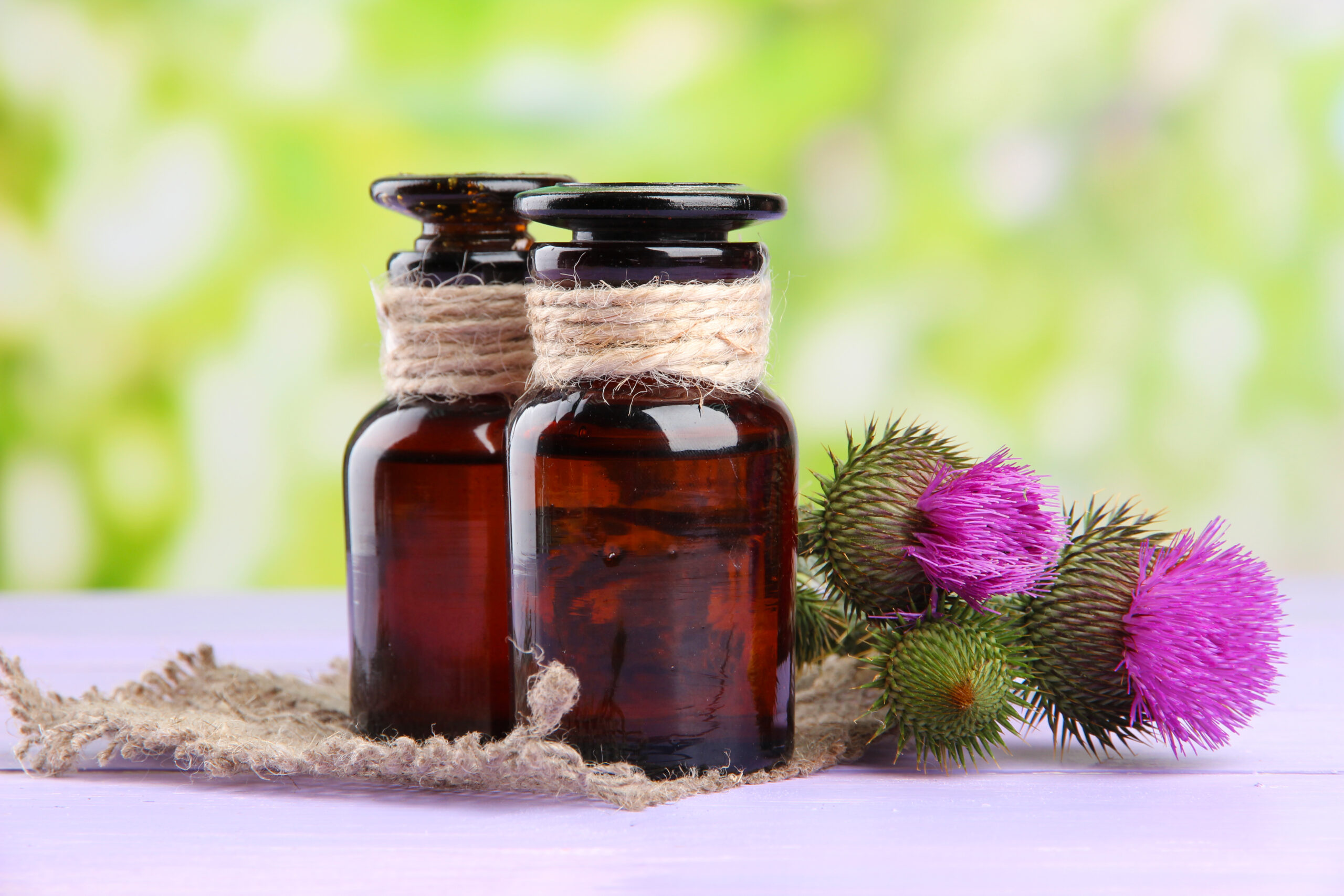
Silymarin supports melasma management by calming irritation, easing oxidative stress from sun exposure, and helping skin feel healthier. It is usually well tolerated and can be a suitable option for sensitive or mixed melasma types. Many users appreciate silymarin because it focuses on comfort, skin calmness, and gradual visible improvement.
Lycopene and Tomato Extract: Everyday Support
Lycopene helps the skin stay resilient and less reactive. Tomato extracts that contain lycopene can complement sunscreen and other topical treatments, making patches appear lighter and more even. Topical versions using lycopene or wheat bran extract have also been shown to support smoother tone and better comfort during daily use.
Glutathione: Enhancing Results
Glutathione contributes to melasma improvement by calming oxidative stress and supporting more balanced pigment formation. When used consistently, glutathione can make existing routines feel more effective and help the skin recover gradually without harsh ingredients.
Other Supportive Antioxidants
Zinc sulfate can help reduce visible discoloration, although results may be milder than with stronger agents. Melatonin offers antioxidant support but may not create major changes in visible pigment on its own. Antioxidant blends such as vitamin C, vitamin E, ferulic acid, nicotinamide mixtures, synbiotics, and mineral vitamin C formulations all contribute to smoother tone and healthier-looking skin when used with daily sun protection and a calm routine.
Final Takeaway
Antioxidants are not meant to replace sunscreen or medical treatments, but they can make melasma care feel gentler, calmer, and more sustainable. They support pigment balance, reduce stress on the skin, and make existing routines feel more stable over time. Ingredients like vitamin C, cysteamine, silymarin, glutathione and lycopene offer supportive options for people who want long-term management with fewer side effects or irritation. Consistency and sun protection remain essential for maintaining clearer and more even-looking skin.
