

Azelaic Acid: 7 Powerful Benefits, strengths, uses, side effects, and how to add it safely to your skincare routine for clearer, calmer, more even-looking skin.
Azelaic acid has become one of the most recommended skincare ingredients because it offers multiple benefits without overwhelming the skin. Whether you struggle with breakouts, redness, uneven tone, or dark marks, azelaic acid works in a gentle, steady way that supports healthier, clearer-looking skin. This blog explains what it is, what strengths to choose from, who can use it, and what to expect when you start.
What Azelaic Acid Is and Why It's So Popular
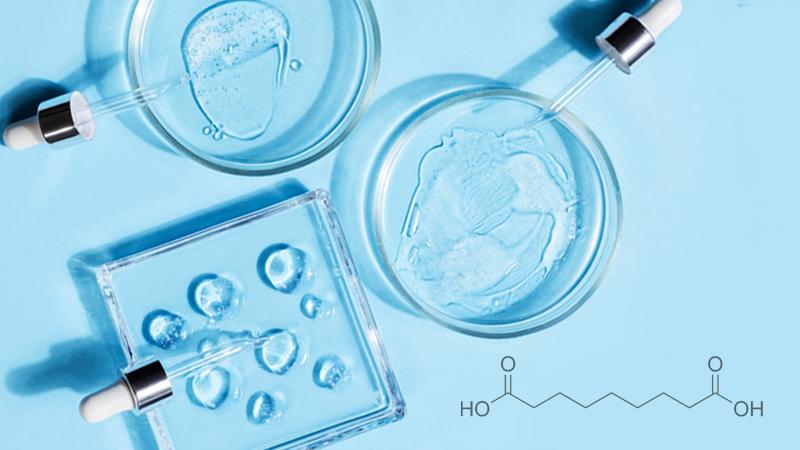
Azelaic acid is a naturally occurring ingredient found in grains and produced by the skin’s own microbiome. In skincare, it's used because it has a unique combination of brightening, soothing, clearing, and balancing properties. It helps even the skin tone, reduces surface congestion, calms redness, and supports smoother texture — all at the same time.
Instead of acting aggressively, azelaic acid works in a controlled, gentle manner, making it suitable for long-term use.
A Simple Look at How Azelaic Acid Works
Azelaic acid supports the skin by helping regulate extra pigment, reducing buildup inside pores, calming inflammation, and keeping the surface balanced. It contributes to clearer tone, smoother texture, and a more even overall appearance.
This multi-action nature is why dermatologists consider it one of the most versatile ingredients for everyday care.
Available Strengths: How to Choose the Right One
Azelaic acid comes in different percentages depending on the formulation:
10% (Cosmetic Strength)
Best for beginners, sensitive skin, or those looking for gradual brightening and subtle smoothing. Easy to tolerate and suitable for daily use.
15% (Common in Dermatology Formulations)
A balanced mid-strength option that helps with redness, uneven tone, and mild acne while staying gentle.
20% (Higher Strength Dermatology Use)
Used for more noticeable pigmentation, persistent breakouts, or rosacea-prone skin. Still well-tolerated but may require slower introduction.
Your choice depends on your skin’s sensitivity and the concerns you’d like to target.
Who Azelaic Acid Is Best Suited For
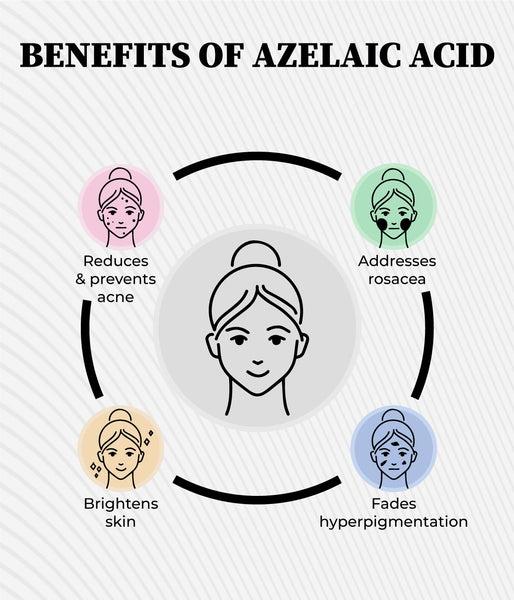
Azelaic acid is ideal for uneven tone or dark spots, post-acne marks, redness-prone or sensitive skin, acne-prone skin with frequent congestion, melasma and long-lasting discoloration, and rosacea-prone skin needing gentle support.
It is also one of the safest ingredients for medium to deep skin tones, where irritation-based pigmentation is more common.
Safety Profile: Why Azelaic Acid Is Considered Gentle
One of the strongest advantages of azelaic acid is its excellent tolerability. It does not bleach the skin, does not thin the barrier, and does not cause the harsh peeling associated with stronger acids.
It’s suitable for long-term use and can be paired with most skincare products.
Possible Side Effects
While generally well tolerated, some people may notice mild tingling when first applied, slight dryness, light flaking in the first week, or redness if used too frequently at the beginning
These effects usually settle as the skin adjusts. Introducing it slowly can help maintain comfort.
How to Use Azelaic Acid in Your Routine
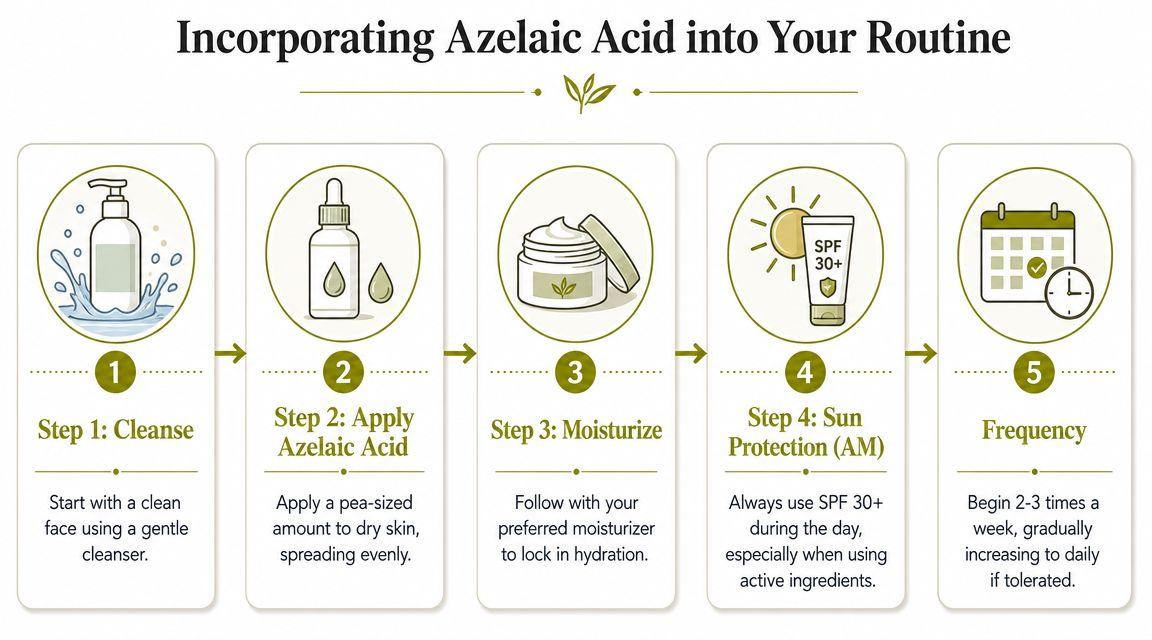
A typical routine might look like this:
Morning or Night:
Cleanser → Azelaic Acid → Moisturizer → Sunscreen (AM only)
It pairs well with hydrating serums, niacinamide, and gentle moisturizers.
Conclusion
Azelaic acid is one of the most reliable and adaptable skincare ingredients available. It helps brighten uneven tone, soften dark marks, reduce congestion, calm redness, and support the skin’s overall balance — all with a gentle touch. With strengths for beginners and higher strengths for targeted concerns, it fits easily into almost any routine and is suitable for nearly all skin types.
If you’re looking for an ingredient that provides steady, well-rounded improvement, azelaic acid is a standout choice.
