


Acne marks vs acne scars —understanding the difference is essential for choosing the right treatment. Acne is frustrating enough, but the aftermath—those stubborn spots and uneven skin—can feel even worse.
Acne is frustrating enough, but the aftermath—those stubborn spots and uneven skin—can feel even worse. Many people confuse acne marks with acne scars, but they’re not the same. Understanding the difference is the first step toward choosing the right treatment.
What Are Acne Marks?
Acne marks are the flat, discolored spots left behind after a pimple heals. These are caused by post-inflammatory hyperpigmentation (PIH)—a temporary change in skin color due to inflammation. They can appear red, brown, or purple depending on your skin tone. The good news? Acne marks are not permanent. With time and proper care, they usually fade on their own, especially if you protect your skin from sun exposure.
What Are Acne Scars?
Acne scars are textural changes in the skin caused by deeper damage during the healing process. When severe acne destroys collagen, the skin repairs unevenly, leaving indentations (atrophic scars) or raised bumps (hypertrophic scars). Unlike marks, scars don’t fade naturally and often require professional treatments to improve their appearance.
Why Do They Happen?
Both marks and scars result from inflammation, but scars indicate more significant tissue damage. Factors like severe acne, delayed treatment, and picking at pimples increase the risk. Certain acne types, like papules and nodules, and lack of early intervention can lead to scarring, while PIH is more common in darker skin tones.
How to Treat Acne Marks
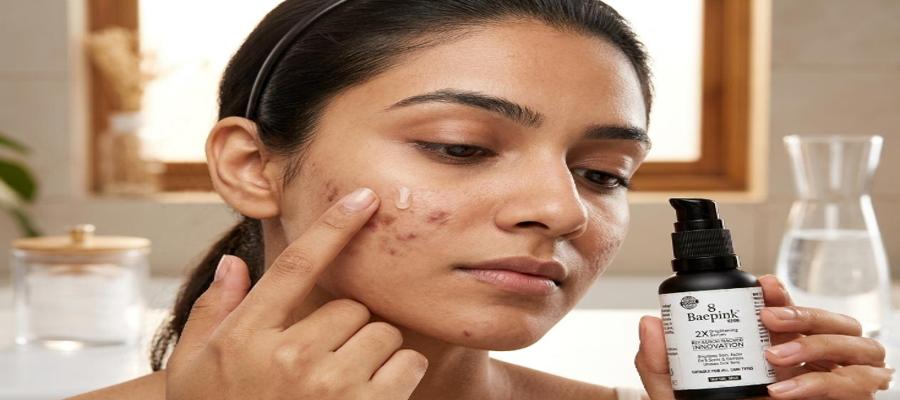
Acne marks respond well to topical treatments and good skincare habits. Daily sunscreen is essential because UV exposure can darken marks and slow healing. Vitamin C serums help brighten skin and reduce pigmentation, while niacinamide works to even out skin tone and calm inflammation. Gentle exfoliation using AHAs (like glycolic acid) and BHAs (like salicylic acid) speeds up cell turnover, helping marks fade faster.
How to Treat Acne Scars
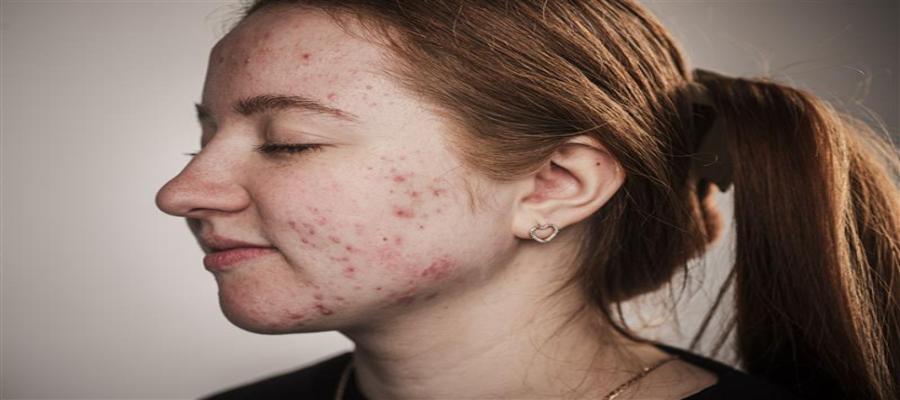 Scars require more intensive solutions because they involve structural changes. Procedures like chemical peels, microneedling, and laser resurfacing are some of the most effective options for improving atrophic or indented scars. Chemical peels help resurface the top layers of skin and promote a smoother texture, while microneedling stimulates collagen production to lift rolling or shallow scars over time. Laser treatments—both ablative and non‑ablative—target deeper layers of the skin, improving thickness, texture, and overall tone. For stubborn deep scars or noticeable indentations, dermatologists may also use fillers, subcision, or punch techniques to restore lost volume and create a more even skin surface. A combination approach often delivers the best results, especially for multiple scar types.
Prevention Is Key
The best way to avoid marks and scars is to prevent acne from worsening. Avoid picking or squeezing pimples, follow a consistent skincare routine, and seek professional help for severe breakouts. Early treatment can significantly reduce the risk of long-term damage.
The Bottom Line
Acne marks are temporary discolorations, while acne scars are permanent textural changes. Treating them requires different approaches—brightening and exfoliation for marks, collagen-boosting treatments for scars. With the right care and patience, you can achieve clearer, healthier skin.
