

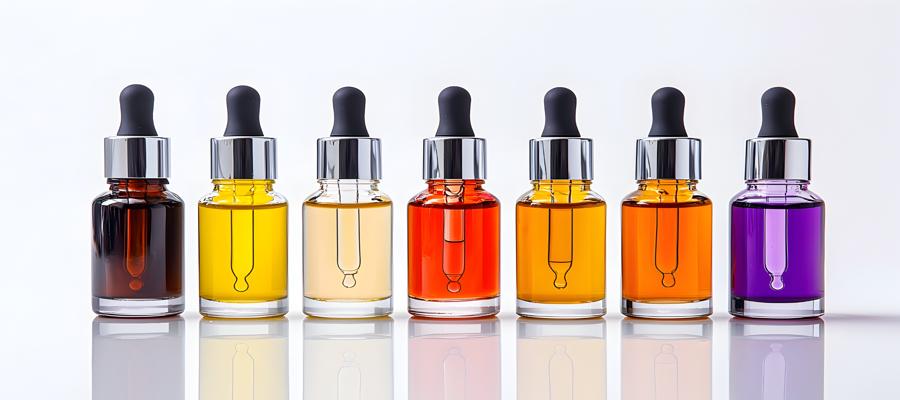
pH in serums is crucial for healthy skin. Discover how pH balance affects absorption, skin barrier, and ingredient performance for better skincare results.
How It Works: A Simple Look at pH and Your Skin
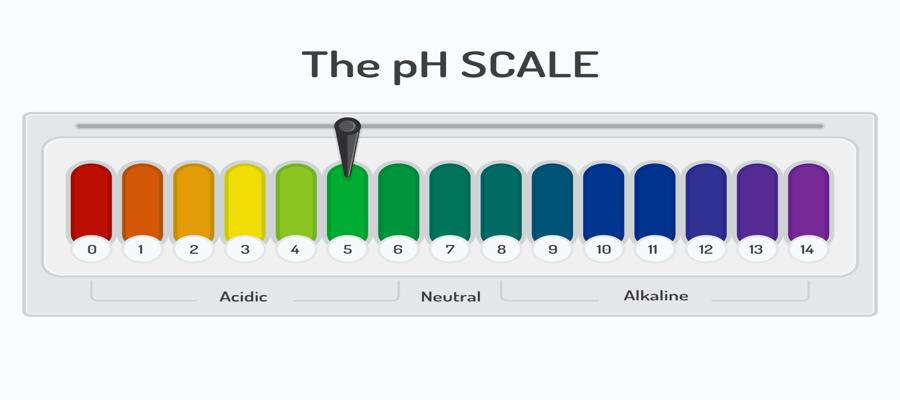
When it comes to skincare, most people focus on ingredients like Vitamin C or hyaluronic acid—but few realize that pH plays an equally important role.
Think of your skin as having a built-in shield. This shield is called the skin barrier, and it works best when it sits at a slightly acidic pH—usually between 4.5 and 5.5. This acidity is essential because it maintains the skin’s protective barrier, known as the acid mantle, which defends against bacteria, pollutants, and moisture loss.
What Happens When pH Is Imbalanced?
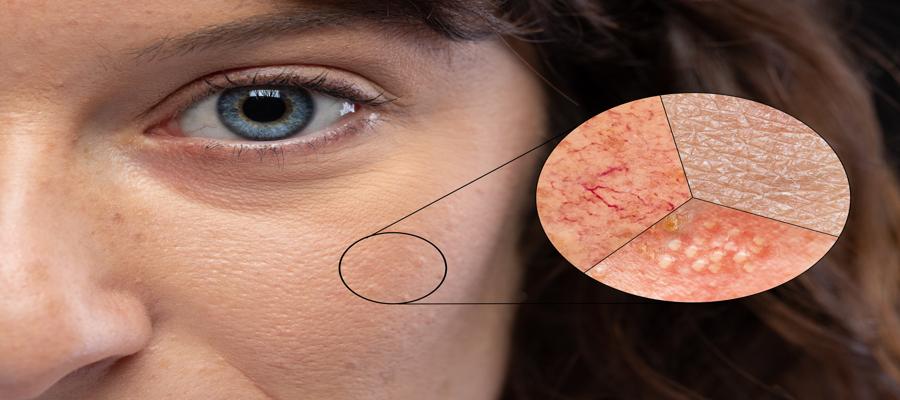
If a serum’s pH is too high (alkaline), it can disrupt your skin’s natural barrier, leading to dryness, irritation, and even breakouts. A pH level of 8 or 9 can eliminate the skin’s natural microflora, making it vulnerable to infections and inflammation. On the other hand, a serum that is too acidic can cause stinging and sensitivity. Maintaining the right pH ensures that active ingredients work effectively without harming your skin.
How pH Affects Serum Performance

Serums are designed to deliver concentrated actives deep into the skin. If the pH is off, these ingredients may not penetrate properly or could degrade before they work. For example, Vitamin C serums are most effective at a pH between 3 and 4, hyaluronic acid performs best in a slightly acidic environment, and Niacinamide serums perform best at a neutral pH to avoid irritation.. A balanced pH not only enhances absorption but also preserves the stability of the formulation.
Choosing Serums with the Right pH
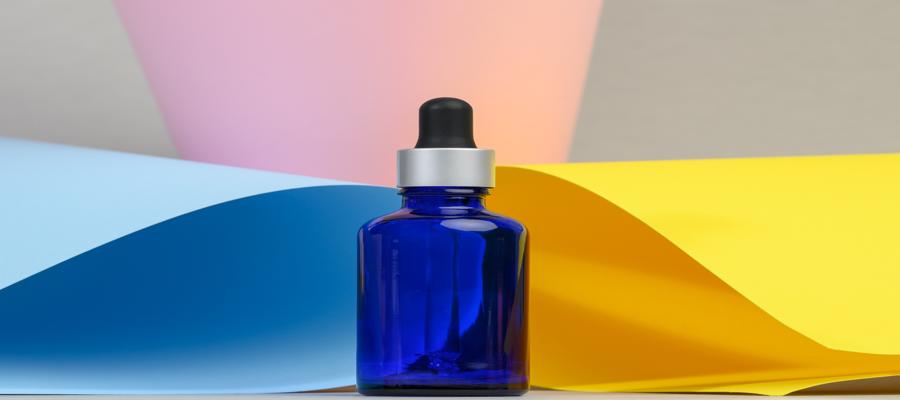
If you notice persistent redness, dryness, or breakouts after using a serum, pH imbalance could be the culprit. Most well-formulated serums are tested to match the skin’s natural pH range. When shopping for serums, look for products labeled as “pH-balanced.” This ensures they maintain your skin’s barrier while delivering benefits like hydration, brightening, and anti-aging. If you have sensitive skin, this step becomes even more critical because pH imbalance can trigger redness and irritation.
Why Brands Focus on pH Stability
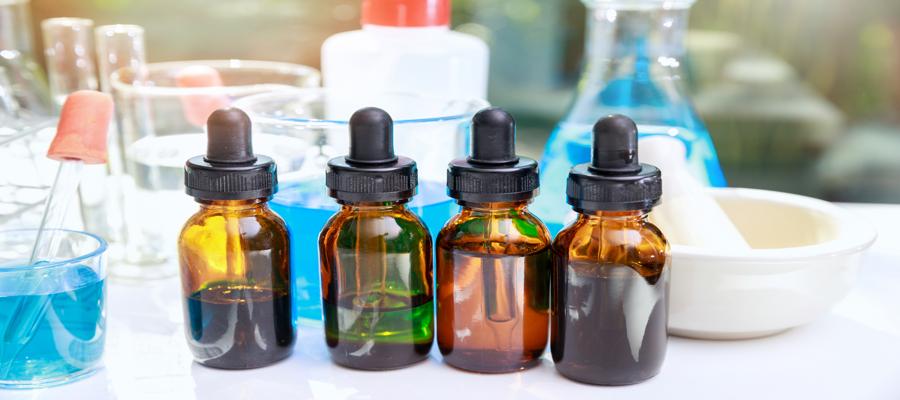
Creating a serum with the correct pH isn’t easy. Manufacturers use emulsifiers and stabilizers to keep oil and water phases mixed while maintaining the ideal pH. This balance prevents the product from breaking down and ensures long shelf life. Advanced formulation techniques, like D-optimal design, help brands optimize pH without compromising texture or performance.
Bottom Line
pH isn’t just a technical detail—it’s the foundation of effective skincare. A serum with the right pH protects your skin barrier, enhances ingredient performance, and prevents irritation. So next time you pick a serum, remember: the right pH can make all the difference between glowing skin and unwanted reactions.
