


5 Powerful ways to improve existing hyperpigmentation through skin renewal, gentle exfoliation, barrier support, and daily sun protection. Learn science-backed strategies to fade dark spots and achieve a clearer, more even-toned complexion.
Hyperpigmentation can persist long after the original trigger has resolved. Once melanin has accumulated inside the upper epidermis, prevention alone is not enough. Discoloration remains visible until the skin naturally breaks it down or sheds the melanin-filled cells. This explains why some dark spots stay for weeks or months even after inflammation, acne, or sun exposure has improved. Topical strategies that support renewal, breakdown, and gentle exfoliation can help fade discoloration more predictably over time.
Why Existing Dark Spots Are Slow to Fade
Melanin is stored inside small structures called melanosomes, which are passed into keratinocytes. Because the outer skin layers renew gradually, pigment can remain visible until normal shedding takes place. Factors like irritation, reduced turnover, or aging can slow this process, leading to longer-lasting pigmentation. Topical approaches that support renewal or help melanosomes break down internally can make fading more consistent without harsh treatments.
Ingredients That Help Remove Existing Pigment
Retinoids (Renewal Approach):

Retinoids encourage more efficient epidermal renewal. As the skin turns over at a steady pace, melanin-containing keratinocytes are shed more consistently, allowing discoloration to fade gradually. Retinoids also improve epidermal permeability, which helps other brightening agents access pigment more effectively. Their role is not to bleach the skin but to support natural shedding, making long-term fading more predictable.
Chemical Exfoliants (Surface-Level Shedding):
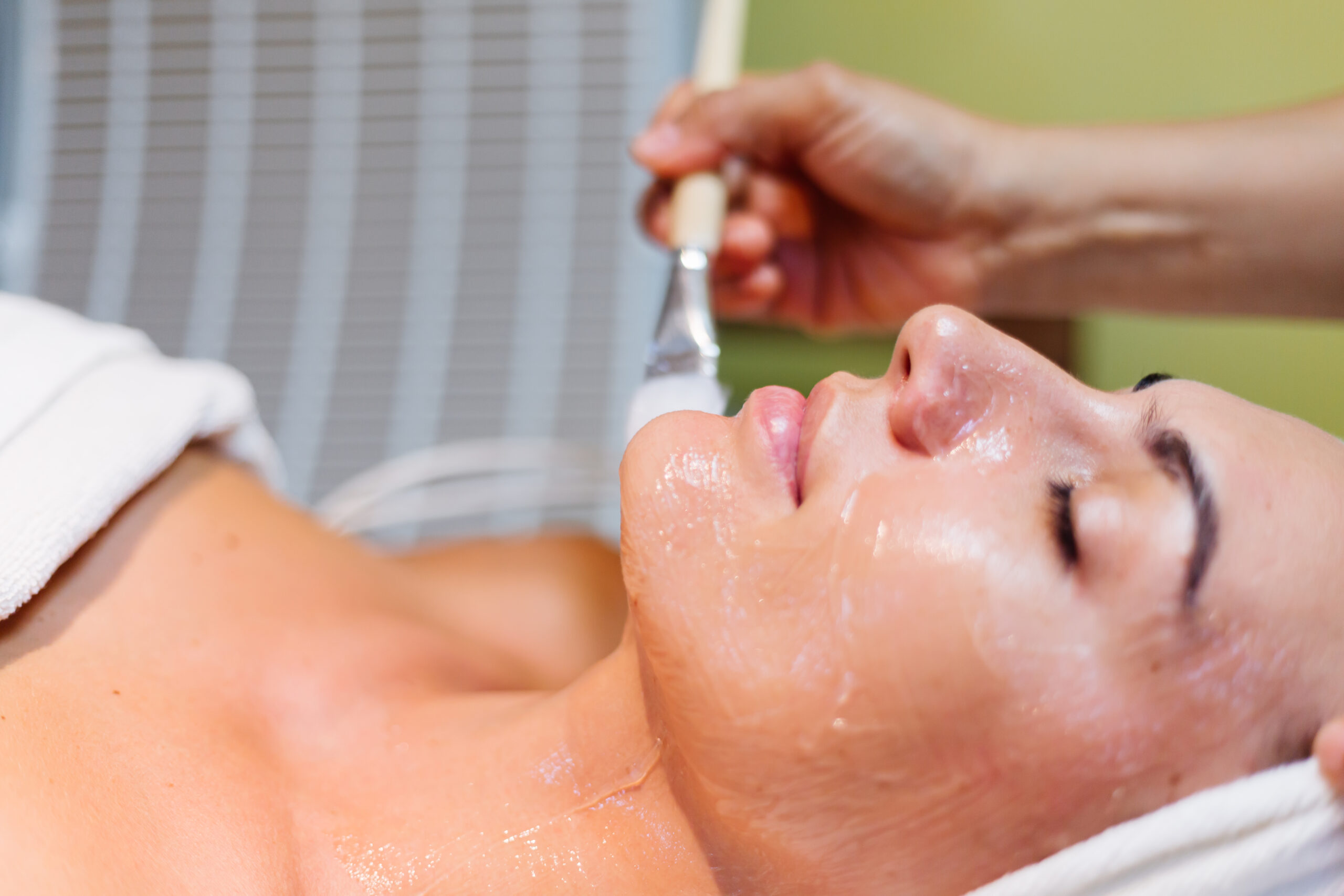
Alpha hydroxy acids (like glycolic acid) and beta hydroxy acids (like salicylic acid) help dissolve dull keratin and encourage more uniform shedding of pigmented cells. While exfoliants do not inhibit melanin formation, they help clear existing discoloration by removing older keratinocytes more rapidly. Controlled exfoliation can be useful for uneven tone when used carefully. Overuse, however, may irritate the skin barrier and risk new pigmentation—especially in sensitive skin.
Botanical Compounds Supporting Internal Breakdown:
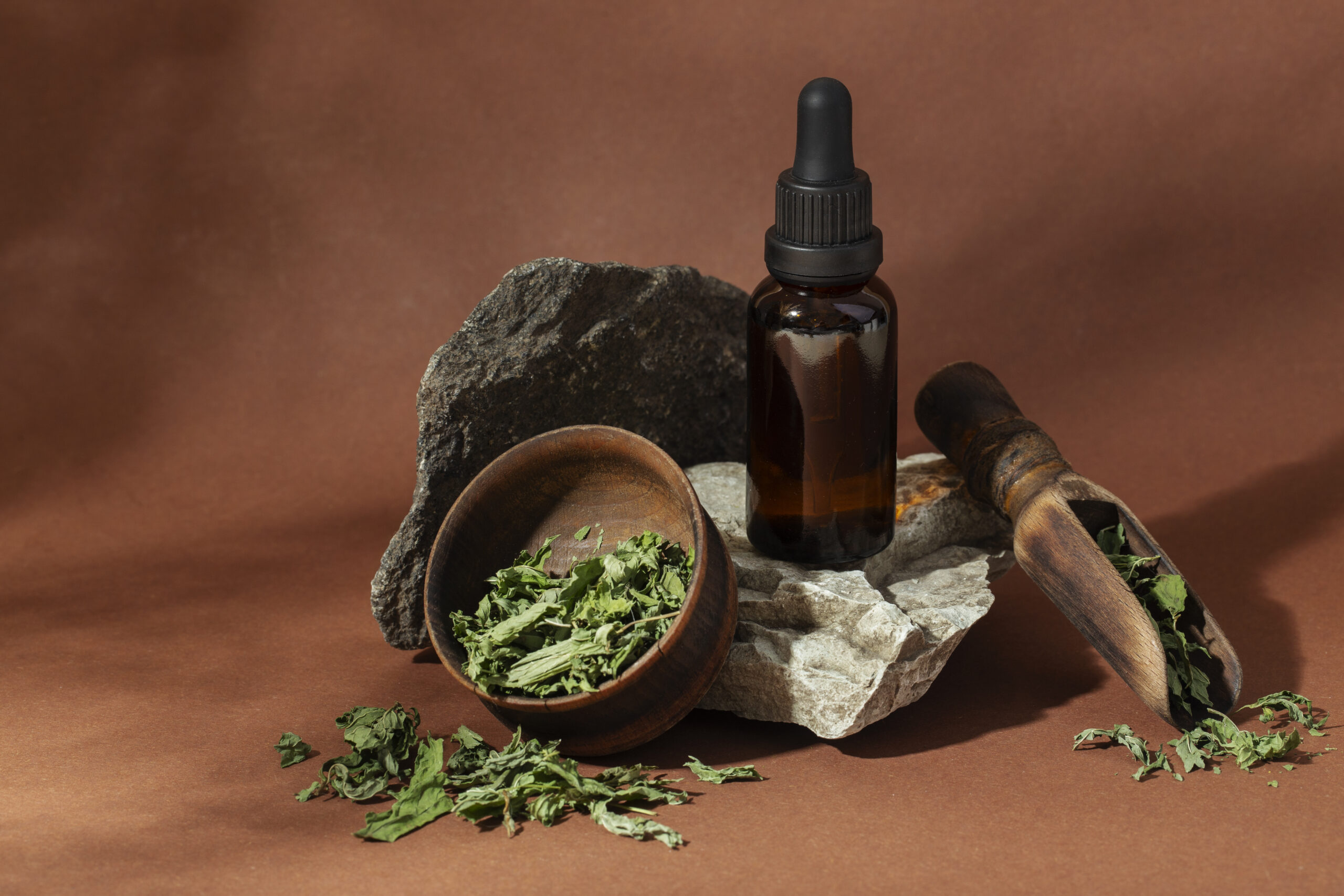
Some botanical molecules enhance autophagy, a natural pathway that helps keratinocytes break down melanosomes internally before they reach the surface. Ginsenosides are one example of compounds that promote this intracellular clearance. This fading strategy is gentler than aggressive peeling and supports pigment breakdown from inside the skin, especially in stubborn discoloration that does not respond quickly to surface exfoliation.
How Renewal Strategies Improve Clarity

Supporting renewal and melanosome breakdown does not stop melanin formation—it helps the skin remove existing pigment more smoothly. This approach is especially helpful for acne-related marks, melasma patches, sun-induced or friction-induced darkening, and residual discoloration after inflammation.
Gradual renewal allows pigment to fade with less contrast and fewer flare-ups, especially when routines remain stable and gentle.
Why Barrier Calmness Matters
Skin clarity improves best when the barrier remains calm and hydrated. Irritation slows renewal and increases inflammatory pigmentation. Hydration, barrier support, and gentle product selection allow renewal ingredients to work without triggering more melanin. Consistency is more valuable than aggressive treatments when fading existing pigment.
Sun Protection Still Plays a Role

Even during pigment removal, daily sunscreen is essential. If UV exposure continues without protection, melanin formation increases, and newly faded pigment may reappear or become masked by darker surrounding tone. Sunscreen reduces contrast and helps renewal-based fading remain visible. Without sun protection, fading agents appear far less effective because the skin continues to receive new instructions to create melanin.
Final Takeaway
Fading existing pigment is a gradual process centered around renewal, gentle exfoliation, and internal melanosome breakdown. Retinoids, surface exfoliants, and autophagy-supporting botanical compounds improve clarity over time by helping pigmented cells shed or degrade more efficiently. When routines are calm and sun protection is consistent, discoloration becomes easier to lighten without aggressive treatments.
