


Indoor Pigmentation is becoming increasingly common, even among people who spend most of their time indoors. Most people assume that working from home or staying inside protects them from skin darkening. However, visible light, oxidative stress, and internal skin factors can still contribute to uneven skin tone and dark spots.
Indoor Life Does Not Mean Zero Skin Stress
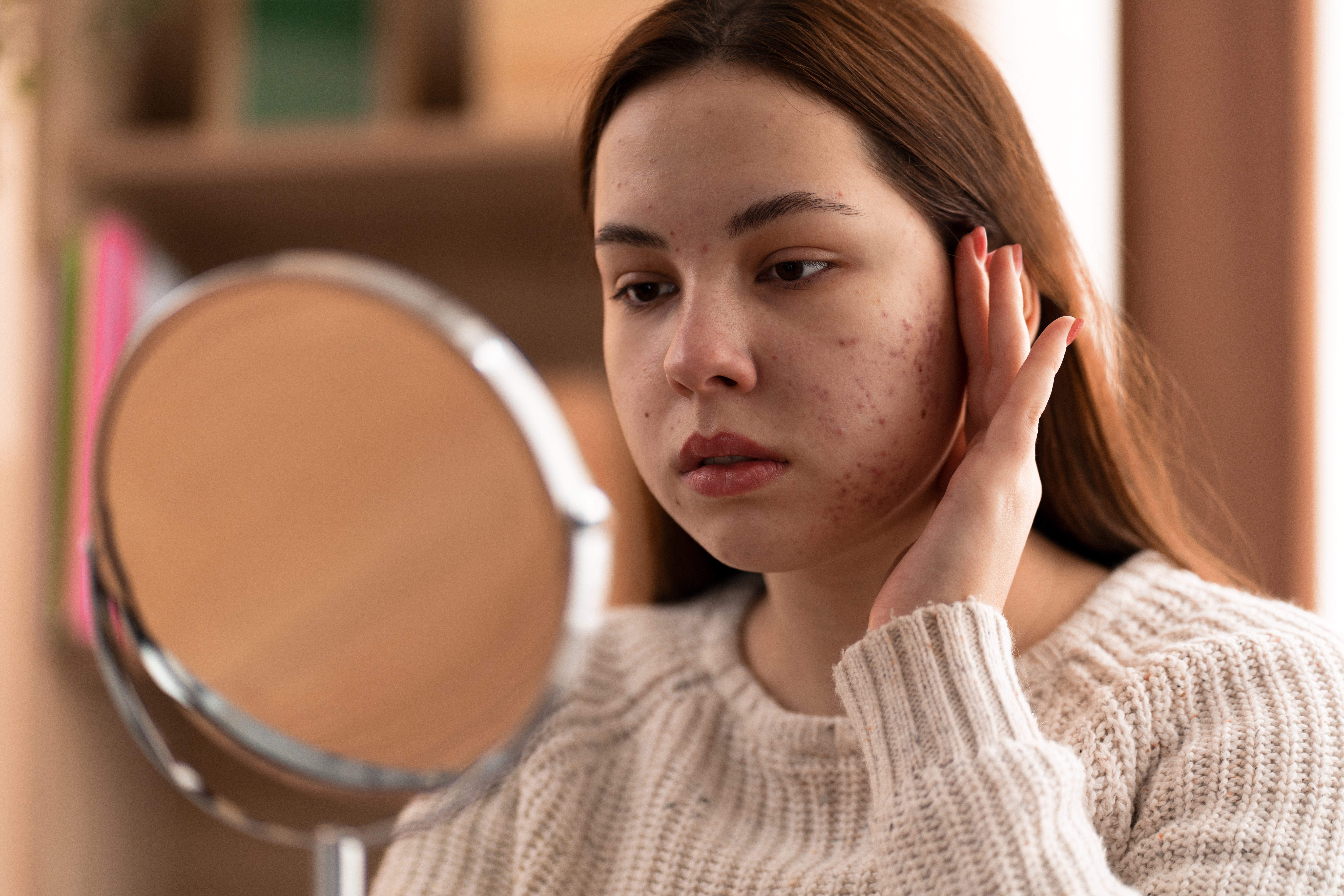
Many people believe that pigmentation happens only when sunlight directly hits the skin. It feels logical that staying indoors should protect against dark patches. But emerging research shows that indoor life does not eliminate pigment triggers. Visible light from windows, indoor lighting, and screens can stimulate pigment in sensitive or darker skin types. At the same time, oxidative stress, dehydration, emotional stress, and daily metabolic activity can influence pigment from within the skin itself.
How Visible Light Reaches the Skin Indoors

Ultraviolet radiation is strongest outdoors, but visible light travels through windows and remains active in indoor environments. Although visible light is less intense than UV, it penetrates deeper into the skin and stimulates melanocytes more strongly in medium and dark skin tones. Even without tanning or sunburn, visible light can increase melanin distribution and gradually create uneven tone. This helps explain why some people notice darkening on their cheeks and forehead even when working from home.
Indoor exposure is subtle but cumulative. Every day spent near a window, soft indoor lighting, or reflective surfaces adds to the visible-light load. The pigmentation that results is slower, quieter, and more persistent than what sunlight alone can produce. Unlike a sunburn, this darkening is gradual and often goes unnoticed until a patch becomes more defined.
Why Internal Stress Matters Indoors

Staying indoors protects against UV rays, but it does not eliminate internal stressors. Emotional stress, poor sleep, digital fatigue, and dry indoor environments can weaken the skin barrier and increase inflammation. When the barrier becomes fragile, pigment regulation becomes less predictable. This is why dark patches may appear even without outdoor sun exposure: the trigger is internal imbalance and oxidative stress rather than a sun event.
Oxidative stress can develop due to pollution entering indoor spaces, metabolic activity, and reactive oxygen species produced by routine cellular processes. When antioxidant systems are overloaded, pigment formation becomes easier and fading becomes slower. Indoor pigmentation is therefore not random — it emerges when skin cells operate under constant internal stress without adequate antioxidant support.
How Skincare Helps Over Time

Visible-light protection matters for people prone to pigmentation, especially medium and darker skin tones. Tinted sunscreens or mineral sunscreens can reduce visible-light impact indoors. Daily antioxidants help neutralize free radicals and support skin clarity even when ultraviolet exposure is minimal. Hydration, soothing ingredients, and barrier-strengthening formulas make the skin less reactive, reducing internal stress that contributes to discoloration.
When skincare routines target both internal balance and external exposure, dark patches become easier to manage. Indoor pigmentation is not a failure of sunscreen but a sign that internal stress and visible light deserve equal attention.
The Takeaway
Staying indoors does not guarantee a pigmentation-free life. Visible light, oxidative stress, emotional load, and weakened barrier function can all influence tone from within. Supporting the skin with antioxidants, hydration, tinted sunscreen, and calm daily routines helps keep indoor pigmentation under control and prevents dark patches from returning.
