

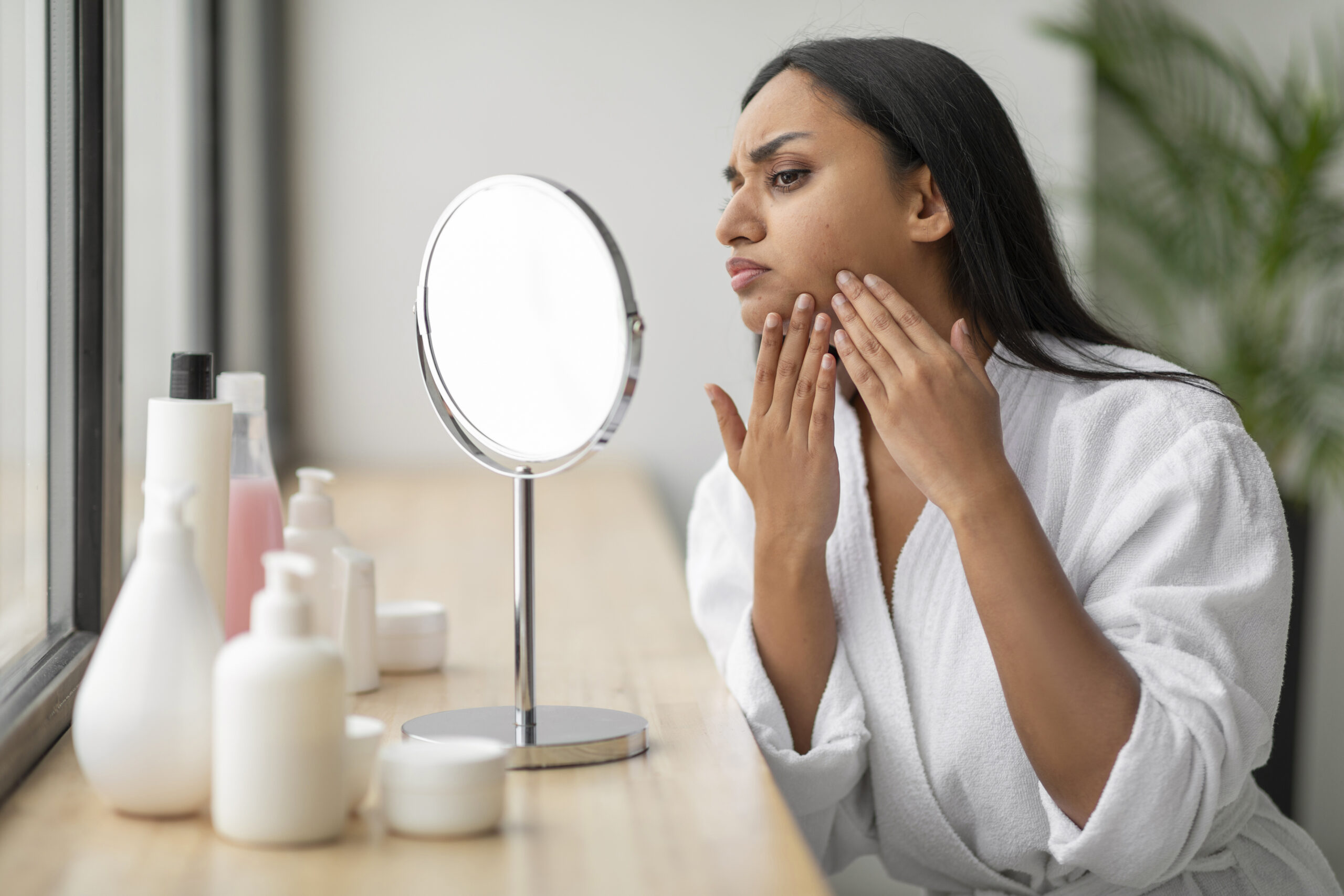
6 Proven Lifestyle Factors That Trigger Hyperpigmentation, including poor sleep, stress, heat exposure, smoking, diet choices, and harsh skincare. Learn how daily habits influence melanin production and dark spots.
Hyperpigmentation is not just a result of sun exposure—daily lifestyle habits play a powerful role in how the skin produces, transfers, and retains melanin. While skincare ingredients can help fade dark spots, certain behaviors may continuously trigger pigment formation beneath the surface. Understanding how sleep, stress, diet, heat, smoking, and harsh skincare influence melanin biology allows you to make informed changes that support a more even skin tone.
How Lifestyle Factors Influence Melanin Production
Melanin responses are controlled by a network of inflammatory signals, oxidative stress pathways, hormonal fluctuations, and barrier changes. When lifestyle habits disrupt this balance, melanocytes become more reactive, increasing the likelihood of new or persistent pigmentation.
Poor Sleep Quality

Lack of sleep affects the skin far beyond tired eyes. Sleep deprivation increases oxidative stress, inflammation, and cortisol dysregulation, all of which worsen pigmentation tendencies. Poor sleep can aggravate inflammatory skin conditions and intensify dullness and uneven tone, and it may also worsen melasma because stress-related sleep disturbances elevate inflammatory and hormonal signals
Reduced sleep also weakens the skin’s barrier and increases dryness, making skin more reactive to pigment-producing signals
Result: Higher inflammation + weaker barrier = stronger pigmentation tendencies.
Chronic Stress

Stress is one of the strongest internal triggers of pigmentation. Acute and chronic stress activate neuroendocrine pathways that increase inflammatory cytokines and oxidative stress—both known to intensify melanin synthesis.
Stress also compromises barrier function, allowing irritants and microbes to penetrate more easily, increasing the likelihood of post-inflammatory hyperpigmentation (PIH)
Takeaway: Stress increases inflammation, weakens the barrier, and heightens pigment responses.
Heat Exposure

Heat raises skin temperature and activates inflammatory signals similar to those triggered by UV light. This contributes to heightened melanocyte activity and darker pigmentation
Heat can also worsen rosacea and inflammatory skin conditions that frequently lead to PIH.
Result: Warm environments, steam, hot kitchens, and outdoor heat can intensify pigmentation even without direct sunlight.
Smoking
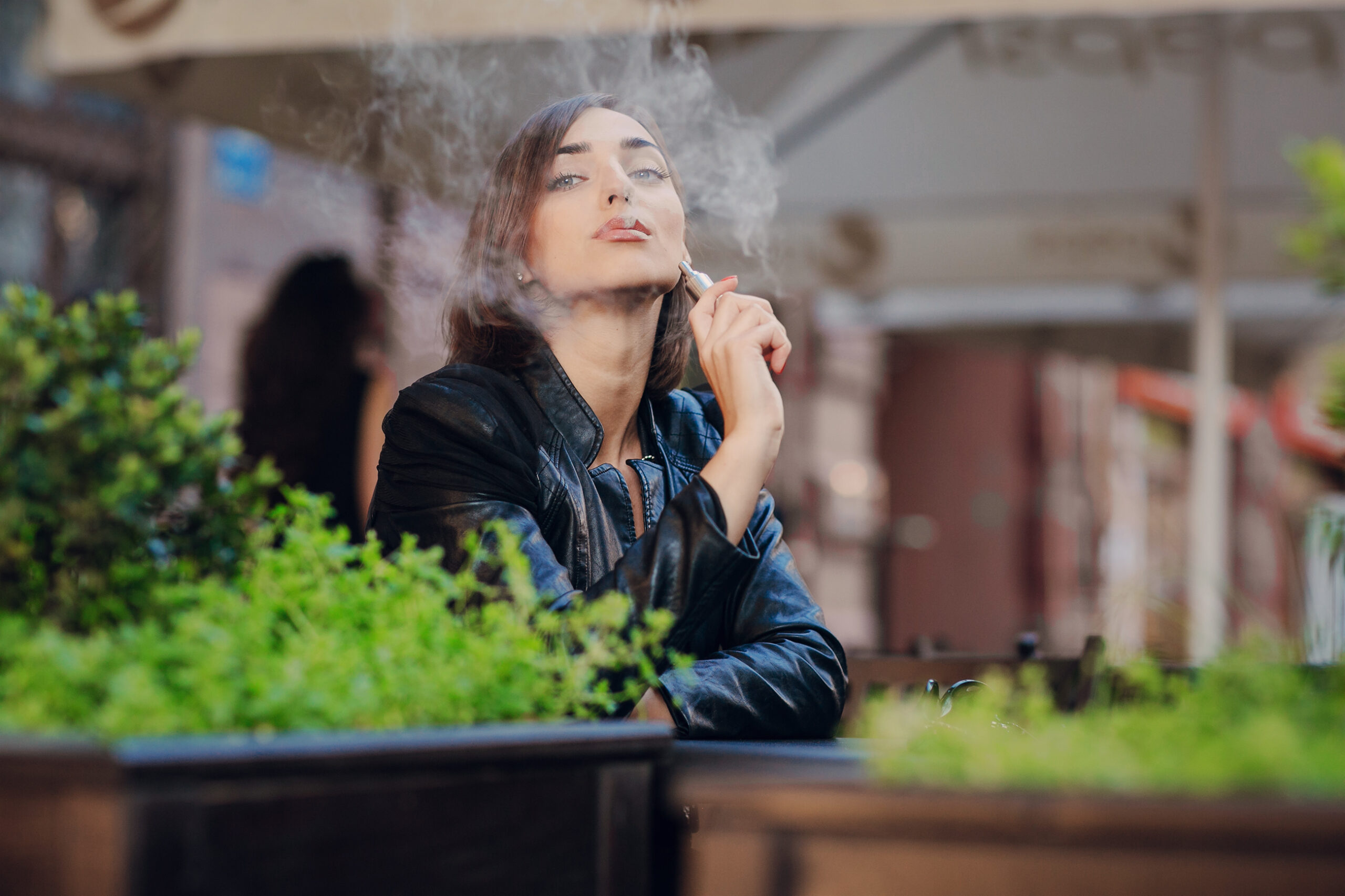
Smoking is a scientifically proven cause of increased pigmentation. Tobacco smoke activates the aryl hydrocarbon receptor (AhR) in melanocytes, which increases melanin production through MITF and β-catenin pathways (Reference: Tobacco Smoke–Induced Pigmentation Study)
Melanocytes exposed to tobacco extract grow larger and produce significantly more melanin, explaining smoker’s melanosis and uneven tone over time.
Result: Direct biochemical stimulation of melanin production.
Diet & Nutrient Factors

Diet influences pigmentation in several ways.
Low intake of antioxidants increases oxidative reactions that amplify melanin formation
Insufficient vitamin B3 affects melanosome transfer, resulting in more visible pigment on the skin surface
High-glycemic eating patterns and alcohol consumption contribute to inflammatory responses that make PIH more likely
Result: Oxidative stress + inflammatory responses = deeper, longer-lasting pigmentation.
Harsh Skincare & Irritation
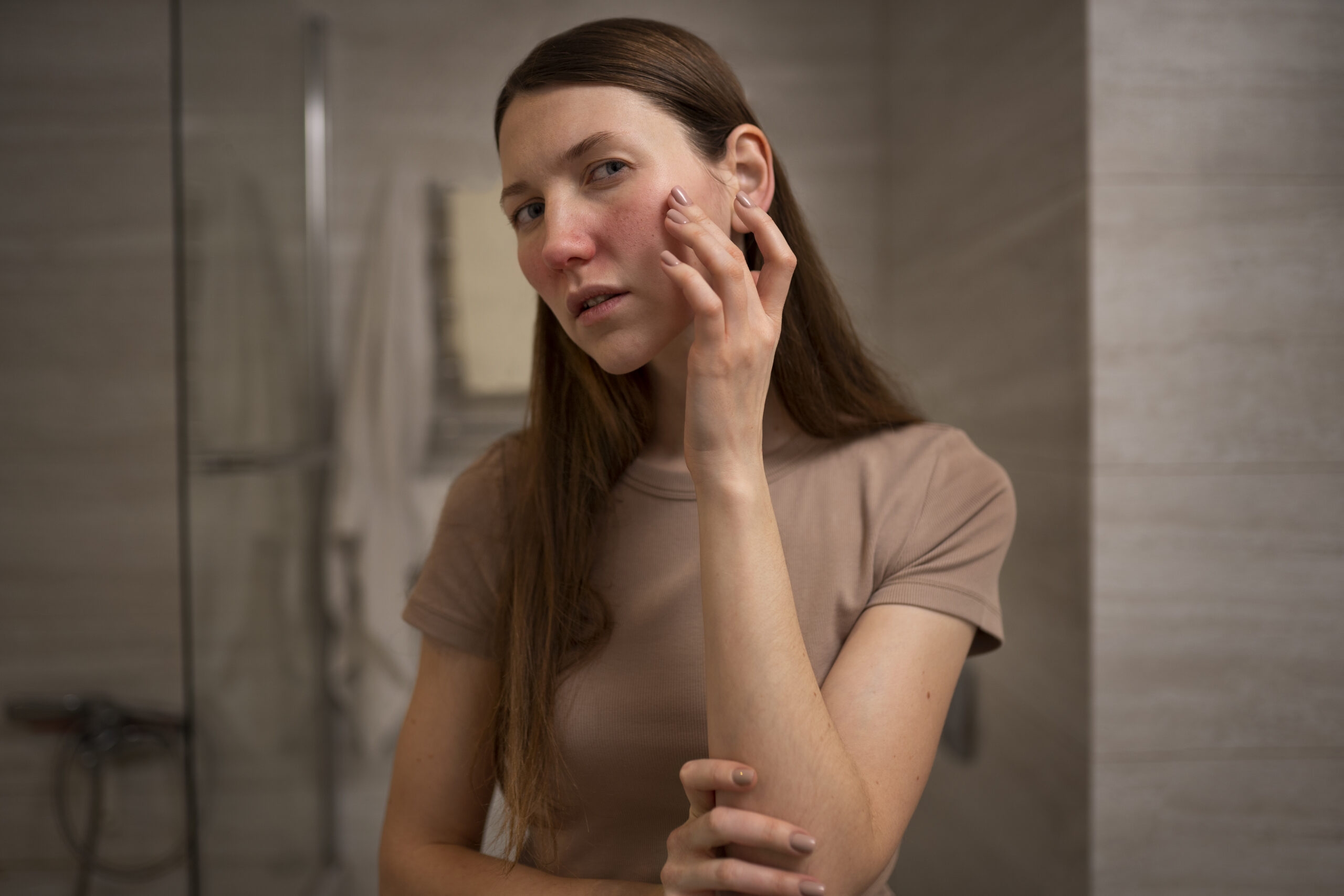
Inflammation is a primary cause of hyperpigmentation. Barrier disruption from harsh exfoliants, strong acids, aggressive scrubs, or irritant products increases the risk of post-inflammatory hyperpigmentation (PIH).
Result: Irritation prompts melanocytes to produce more melanin, creating new dark spots.
Final Thoughts
Lifestyle habits play a major role in how frequently pigmentation appears and how long it stays. Poor sleep, chronic stress, heat, smoking, nutrient deficiencies, and harsh skincare all heighten melanin activity through well-defined biological pathways involving inflammation, oxidative stress, and barrier disruption. Addressing these factors helps the skin remain calmer, more resilient, and less prone to forming stubborn dark patches.
