

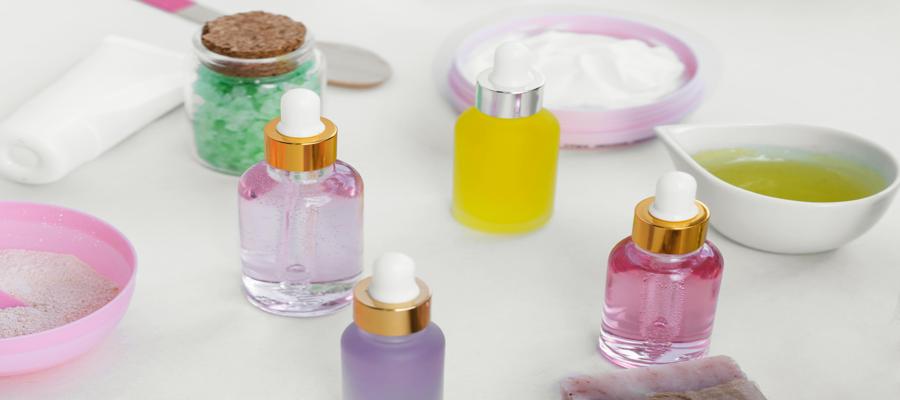
The best ingredients for acne-prone skin, including retinoids, salicylic acid, and more, for clearer, healthier skin.
Ingredients for acne-prone skin play a crucial role in achieving clear and healthy skin. Choosing the right cosmetic products for acne-prone skin can feel overwhelming, especially when every product claims to be “oil-free” or “acne-friendly.” But clearer skin becomes much easier to achieve when you understand which ingredients genuinely help reduce breakouts. Acne forms because of clogged pores, excess oil, inflammation, and bacteria — so the best products contain ingredients that directly target these processes. Here’s a simple guide to help you select skincare that supports healthier, clearer skin.
Retinoids: The Key Ingredient for Preventing Clogged Pores
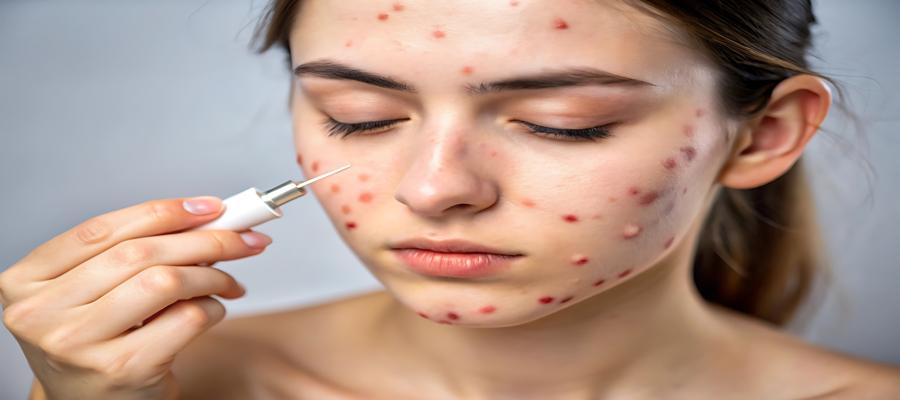
Retinoids such as adapalene and tretinoin are some of the most important ingredients for acne-prone skin. They help regulate how your skin sheds old cells, preventing buildup that blocks pores. This keeps whiteheads and blackheads from forming and helps reduce early acne bumps. Retinoids also smooth the surface of the skin over time and improve overall texture. When starting a retinoid, begin slowly to avoid irritation — a small amount at night is enough.
Benzoyl Peroxide: Reduces Acne-Causing Bacteria
Benzoyl peroxide is a well-known ingredient that targets acne-causing bacteria inside the pores. It also helps reduce inflammation, making red or swollen pimples less noticeable. You’ll find it in cleansers, gels, and spot treatments. Lower strengths (like 2.5%–5%) can be effective while being gentler on the skin. It’s important to use it consistently and avoid contact with colored fabrics, as it may bleach them.
Salicylic Acid: Helps Clear Blockages Inside Pores
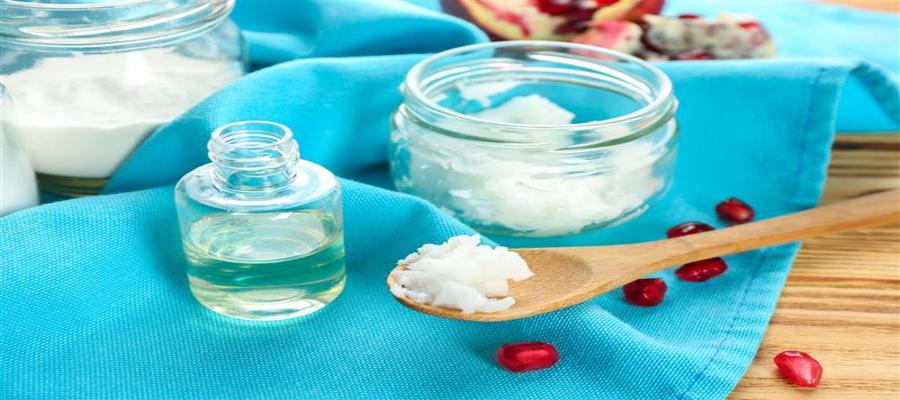
Salicylic acid is a beta-hydroxy acid (BHA) that exfoliates inside the pores, making it ideal for blackheads, whiteheads, and congestion. By loosening dead skin cells and reducing oil buildup, it helps prevent the formation of new blockages. It is commonly found in face washes, toners, and spot treatments, and works well for people with oily or combination skin.
Azelaic Acid: A Gentle Option for Breakouts and Uneven Tone
Azelaic acid is a versatile ingredient that helps unclog pores, calm inflammation, and support more even skin tone. It is especially helpful if you deal with both acne and dark marks left behind after pimples heal. Because azelaic acid is generally gentle, it is often suitable for sensitive skin and can be used alongside other acne treatments with proper spacing.
Combination Products: Target Multiple Acne Causes at Once
Some cosmetic products combine ingredients such as retinoids with benzoyl peroxide or other actives. These combination formulas help address several acne factors at the same time — clogged pores, bacteria, and inflammation. They are helpful when acne does not respond well to single-ingredient treatments, as long as they are introduced gradually to avoid irritation.
Choosing the Right Supporting Products

Even though acne-prone skin requires active ingredients, supporting products matter too. Look for non-comedogenic cleansers and moisturizers, which help maintain balance without clogging pores. Sun protection is also important, especially when using retinoids or benzoyl peroxide, as these ingredients can make skin more sensitive to sunlight. A lightweight, oil-free sunscreen keeps the skin protected and prevents dark spots after breakouts.
Final Takeaway
Managing acne becomes much easier when you choose products that work with your skin rather than against it. A routine built around gentle, effective ingredients helps keep pores clearer, reduces irritation, and supports healthier skin over time. With consistent care and the right choices, achieving calmer, clearer skin becomes much more realistic.
“Clear skin isn’t about using more products — it’s about choosing the right ones.”
