Many people think that eating less and moving more is the only way to manage weight. While healthy habits certainly play an important role, modern science shows that managing body weight is far more complex than relying on willpower alone. Hunger signals, appetite-regulating hormones, cravings, and even the communication between your gut and brain can all influence what, when, and how much you eat.
You may make better decisions and create a more long-lasting strategy for managing your weight by being aware of these biological aspects.
The Science of Hunger
The body uses hunger as a natural biological indication to make sure it has enough energy. As energy stores decrease, the body releases hormones that encourage food intake.
One of the most well-known hunger hormones is ghrelin, often called the “hunger hormone.” Ghrelin is primarily produced in the stomach and sends signals to the brain that it’s time to eat. Ghrelin levels typically rise before meals and decrease after eating.
This means that feeling hungry is not a sign of weak willpower. It is a normal physiological response controlled by your body’s internal systems.
Satiety: The Feeling of Fullness
Just as the body has mechanisms to trigger hunger, it also has systems designed to promote fullness, known as satiety. After eating, the digestive system releases several hormones that communicate with the brain to indicate that enough food has been consumed. Among these are:
GLP-1 (Glucagon-Like Peptide-1), which helps regulate appetite and supports feelings of fullness.
PYY (Peptide YY), a hormone released from the intestines after meals that can help reduce appetite.
These satiety signals help balance food intake and energy needs. However, various factors such as food choices, meal composition, stress, sleep quality, and lifestyle habits can influence how effectively these signals work.
Why Cravings Happen?
Have you ever eaten a full meal yet still felt tempted by dessert or a favourite snack?
This is where hedonic hunger comes into play.
Unlike biological hunger, which is driven by energy needs, hedonic hunger is influenced by the pleasure and reward associated with food. Highly palatable foods that are rich in sugar, fat, and salt can stimulate reward pathways in the brain, encouraging eating even when the body does not require additional energy. In today’s environment, tempting foods are everywhere. Cravings and impulsive eating can be caused by social events, commercials, food delivery services, and continuous exposure to pictures of delectable food. Because of this, managing weight often involves understanding and addressing cravings, not just counting calories.
The Gut-Brain Connection
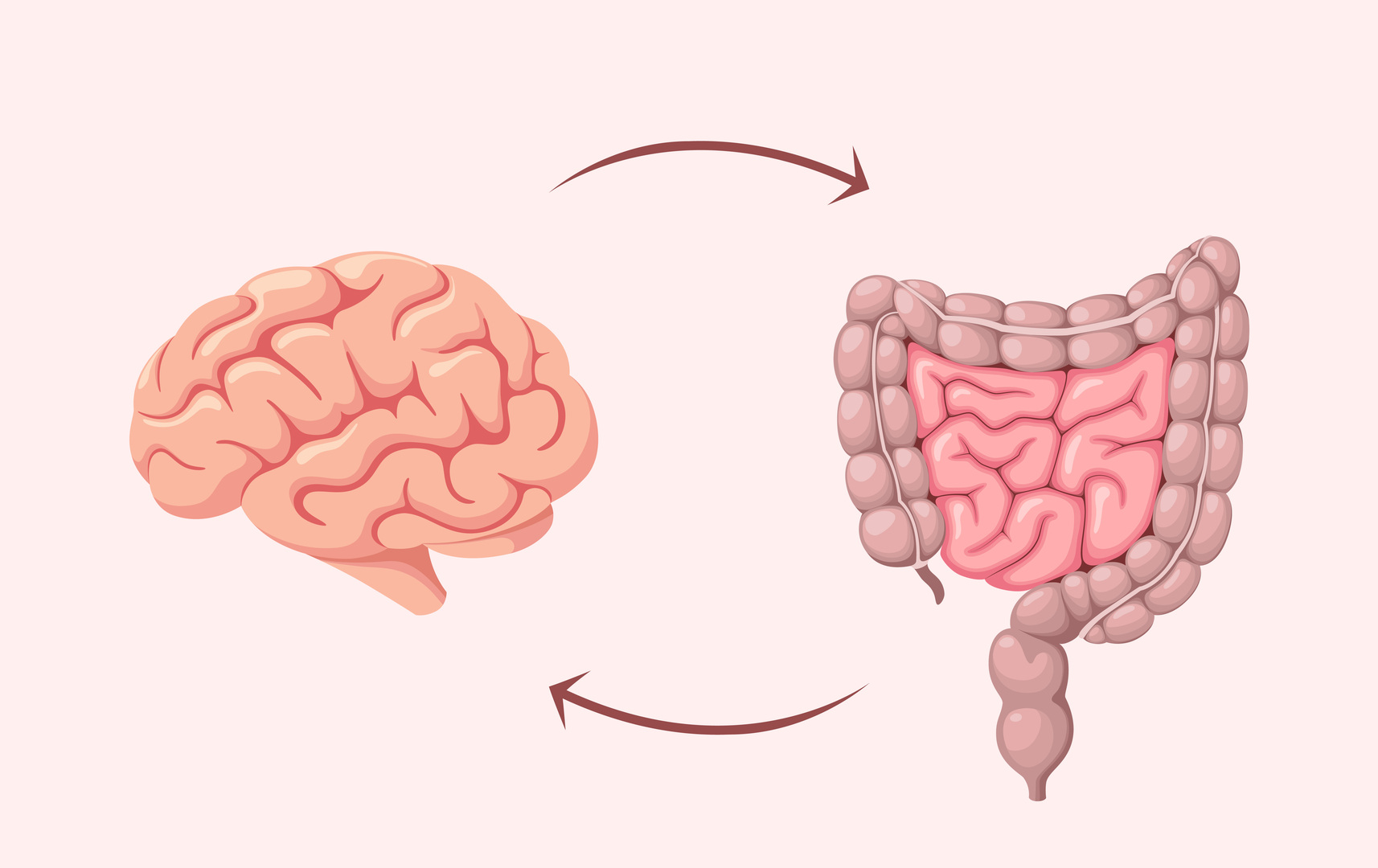
Research increasingly highlights the importance of the gut-brain axis, a communication network linking the digestive system and the brain. The gastrointestinal tract contains billions of microorganisms collectively known as the gut microbiota. These microorganisms participate in numerous bodily functions, including digestion, metabolism, and appetite regulation.
Signals from the gut travel to the brain through hormones, neurotransmitters, and nerve pathways. This constant communication helps regulate hunger, fullness, food preferences, and overall energy balance. When gut health is supported through balanced nutrition and healthy lifestyle practices, it may contribute to better appetite regulation and overall well-being.
Why Weight Management is More Than Willpower?
Many people blame themselves when they struggle with cravings or overeating. However, appetite regulation is influenced by numerous biological and environmental factors, including:
This is why successful weight management often focuses on building supportive habits rather than relying solely on self-control. Strategies such as consuming fiber-rich foods, staying hydrated, maintaining regular meal timings, prioritizing sleep, and engaging in physical activity may help support healthy appetite regulation.
Beyond Willpower
It takes more than just willpower to manage your weight. Hunger hormones, satiety signals, cravings, and the gut-brain connection all influence eating behaviour. By understanding the science behind appetite and adopting sustainable lifestyle habits, individuals can make more informed choices and develop a healthier relationship with food.
Rather than fighting against your body’s natural signals, the goal should be to work with them. Combining balanced nutrition, regular activity, healthy routines, and evidence-informed nutritional support can help create a more practical and sustainable path toward long-term weight management.
Lasting results are rarely achieved through extreme restrictions. Sustainable weight management begins with understanding your body and supporting it with smart daily choices.