

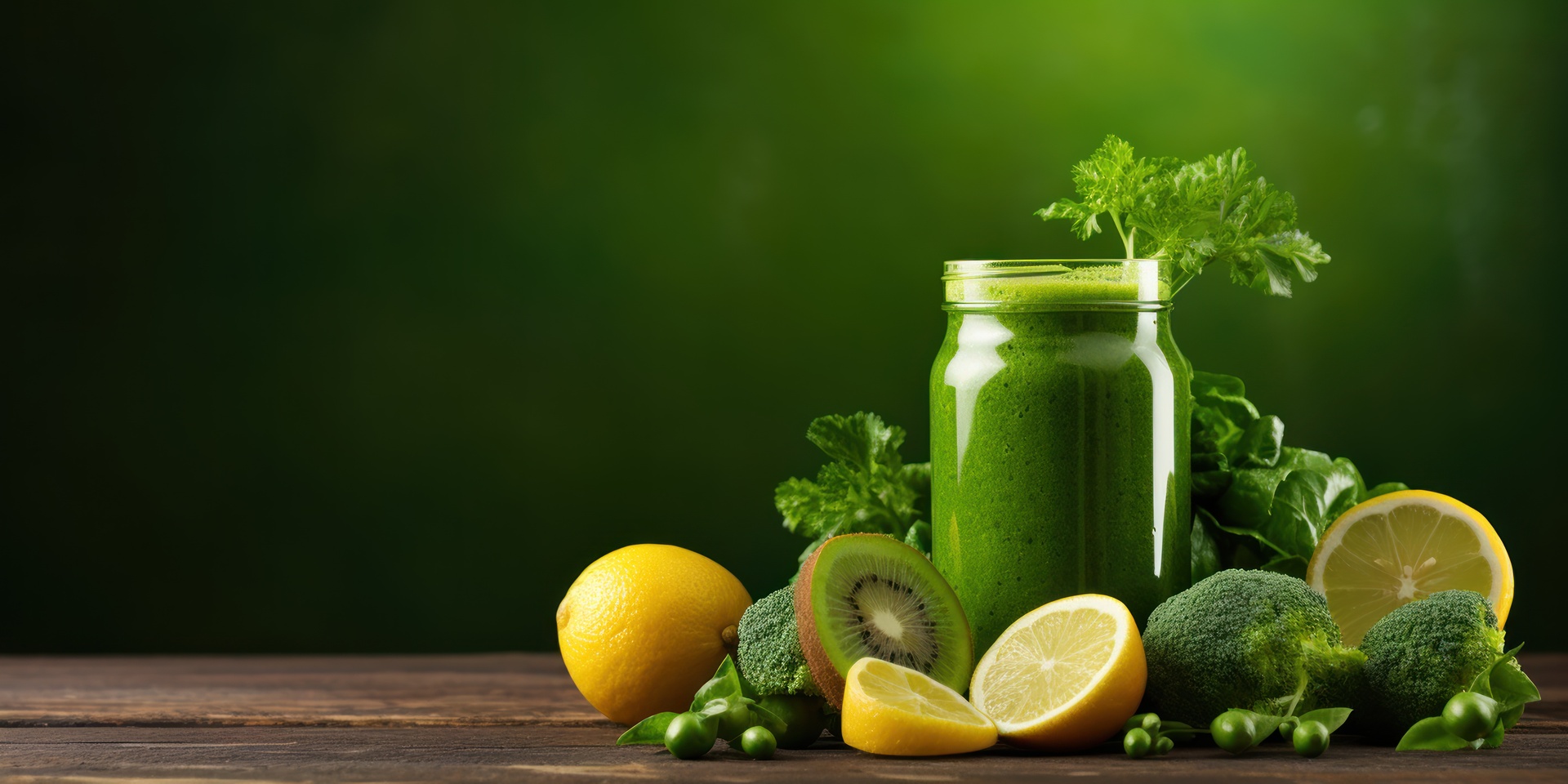
In recent years, the detox diet has become increasingly popular among people looking to lose weight, eliminate toxins, and improve their overall health. From juice cleanses and lemon detox drinks to strict fasting programmes, numerous detox plans promise quick results and a healthier body. But are these claims supported by scientific evidence? Before following any detox programme, it is important to understand how detoxification works, what benefits these diets may offer, and whether they are actually safe and effective.
What Is a Detox Diet?
A detox diet is generally a short-term eating plan designed to remove harmful substances, commonly called toxins, from the body. These programmes may involve fasting, consuming fruit and vegetable juices, avoiding processed foods, or taking specific supplements and herbal products. Some popular detox programmes include:
- Lemon Detox Diet: Replaces regular meals with a drink made from lemon juice, water, cayenne pepper, and syrup.
- Juice Cleanse: Involves consuming fruit and vegetable juices instead of solid meals.
- Liver Cleansing Diet: Focuses on vegetarian, high-fibre, low-fat, and minimally processed foods.
- 48-Hour Detox: Includes vegetables, fruits, smoothies, vegetable broth, and herbal teas.
Although these programmes claim to improve energy, digestion, skin health, and weight management, scientific evidence supporting many of these promises remains limited.
How Does the Body Naturally Detoxify Itself?

One important fact about detoxification is that the human body already has natural systems to eliminate unwanted substances. Several organs work together to perform this function:
- Liver: Processes chemicals and converts certain harmful substances into forms that can be eliminated.
- Kidneys: Filter waste products from the blood and remove them through urine.
- Digestive System: Helps eliminate waste and unwanted substances through bowel movements.
- Lungs: Remove carbon dioxide and certain volatile substances.
- Skin: Releases small amounts of certain substances through sweat.
These natural processes operate continuously. Therefore, most healthy individuals do not need expensive commercial detox programmes to support everyday detoxification.
Can a Detox Diet Help with Weight Loss?
Weight loss is one of the biggest reasons people try a detox diet. Some programmes involve significantly reducing daily calorie intake, which may result in short-term weight loss. However, this does not necessarily mean that the diet is effective for long-term weight management.
Research reviewed by Klein and Kiat (2014) found no convincing clinical evidence establishing that commercial detox diets are effective for sustainable weight loss. Many restrictive programmes also provide insufficient protein, energy, and essential nutrients. Severe calorie restriction may increase hunger, stress, and cravings, making it difficult to maintain healthy eating habits. Once normal eating resumes, lost weight may return. For sustainable weight management, balanced nutrition and consistent lifestyle habits are more beneficial than relying on extreme short-term diets.
What Are the Risks of a Detox Diet?
Not every detox diet is safe. Some programmes involve extreme fasting, very low calorie intake, laxatives, diuretics, or excessive supplementation. Potential risks include:

- Nutritional Deficiencies: Restrictive diets may not provide enough protein, vitamins, minerals, and essential nutrients.
- Electrolyte Imbalance: Excessive use of laxatives or diuretics can disturb the body’s fluid and electrolyte balance.
- Dehydration: Certain cleansing programmes may increase fluid loss.
- Digestive Problems: Sudden dietary restrictions and excessive laxative use may cause digestive discomfort.
- Unwanted Side Effects: Fatigue, headaches, nausea, weakness, and dizziness may occur during restrictive detox programmes.
People with existing medical conditions should be particularly cautious and consult a qualified healthcare professional before attempting a restrictive diet.
Healthy Ways to Support Your Body’s Natural Detoxification
Instead of following extreme cleansing programmes, focus on everyday habits that support overall health.
- Eat a balanced diet containing fruits, vegetables, whole grains, and adequate protein.
- Drink sufficient water throughout the day.
- Include fibre-rich foods to support healthy digestion.
- Maintain regular physical activity.
- Get enough quality sleep.
- Limit excessive alcohol consumption.
- Reduce unnecessary exposure to potentially harmful chemicals.
These habits support general well-being without relying on unproven detox products.

Let’s Detoxify the Right Way!
A detox diet may sound like a quick solution for weight loss and toxin elimination, but scientific evidence does not currently establish the effectiveness of commercial detox programmes. The liver, kidneys, digestive system, lungs, and skin already perform essential detoxification functions. Rather than depending on restrictive cleanses or expensive supplements, adopting balanced eating habits and a healthy lifestyle is a more sustainable approach to long-term wellness.
Remember, consistent healthy choices are more valuable than temporary detox trends.
