

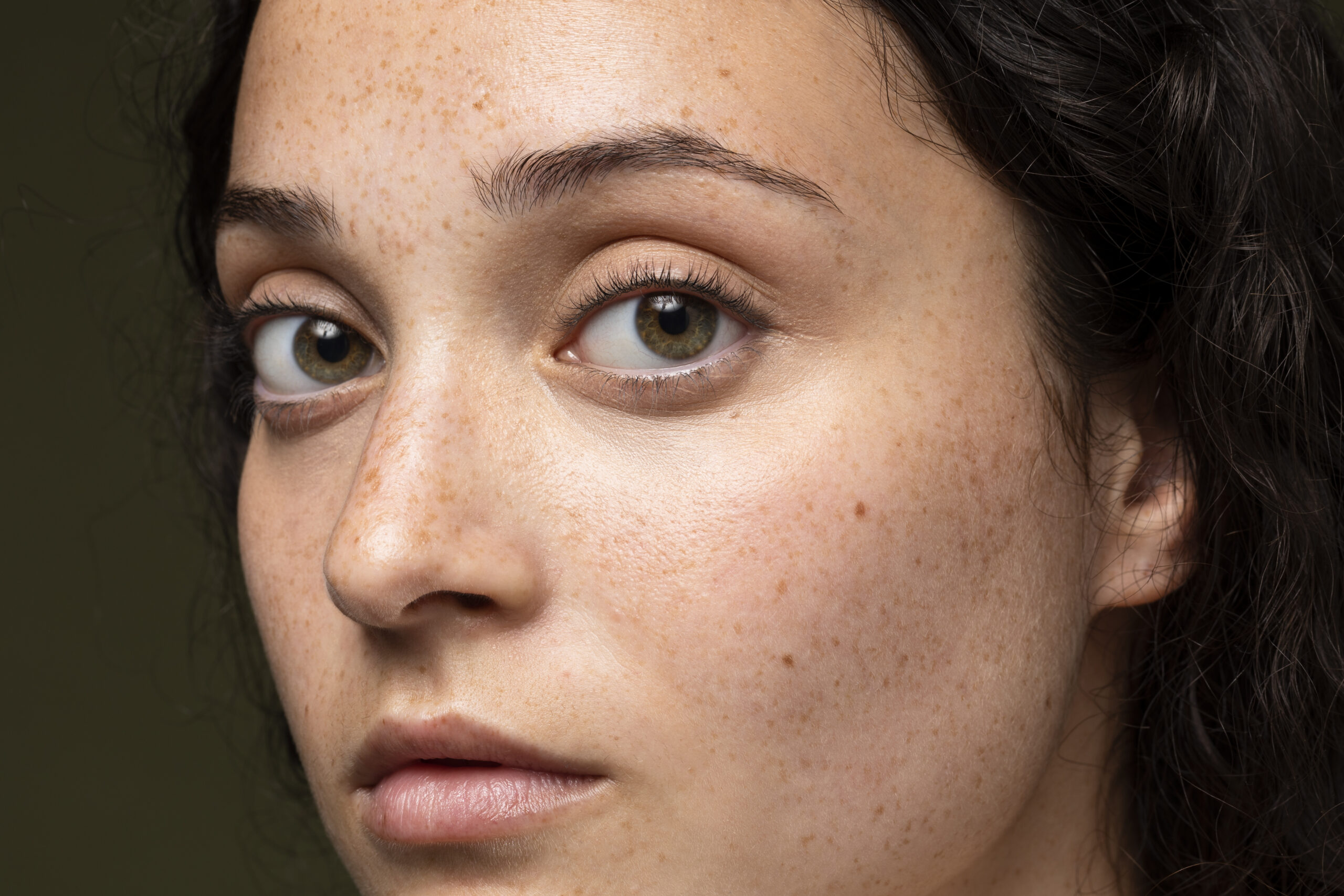
Pigmented Skin Spots can develop due to sun exposure, pollution, inflammation, and hormonal changes. Discover 4 surprising causes of pigmented skin spots and learn how to protect your skin from dark spots and uneven skin tone.
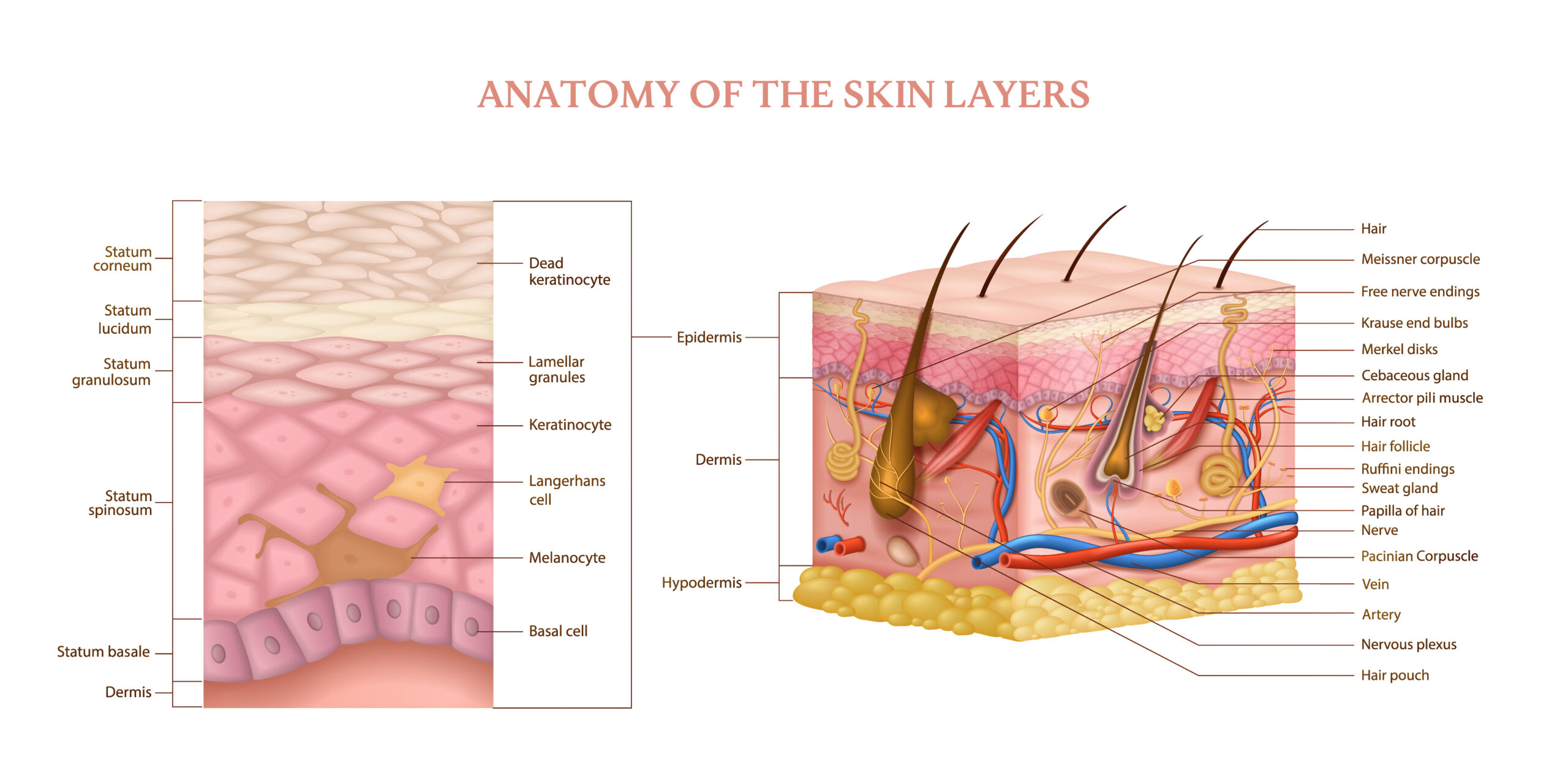
Pigmented skin spots—such as melasma, age spots, and freckles—are more than just cosmetic concerns. They signal complex changes in the skin’s microenvironment, influenced by both external and internal factors. Understanding these causes is the first step toward effective prevention and treatment.
Why Do Pigmented Spots Form?
Key Extrinsic Causes of Pigmentation
Sun Exposure
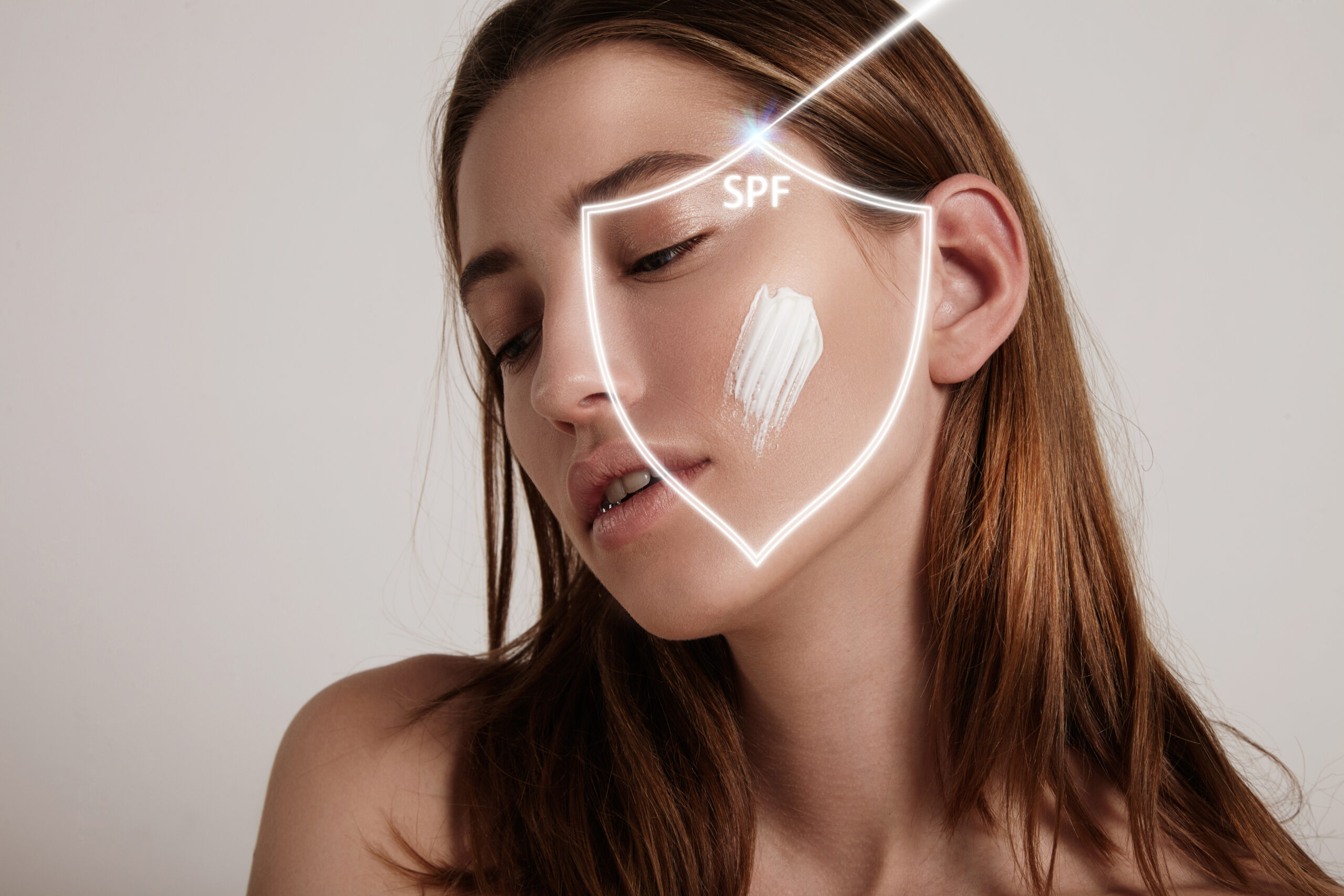
woman's face into a shield makes spf protection from ray
Sun exposure—especially UVA, UVB, and visible light—is one of the strongest drivers of pigmentation. UV rays increase melanin formation, encourage dendrite growth, and improve melanin transfer to surrounding skin cells. UVA can even push pigment deeper into the dermis, while UVB stimulates the growth and differentiation of melanocytes, making pigmentation more persistent. Visible light and blue light also create pigmentation, especially in medium to darker skin tones.
Skin Microbiota Imbalance
The skin naturally hosts trillions of microbes—including bacteria, yeast, and viruses—that help protect the barrier and regulate immune function. When this microbial balance changes, it can contribute to pigmentation. Certain bacterial strains are more common in hyperpigmented spots, and they activate melanogenesis through inflammatory pathways and metabolic signaling. Conversely, beneficial strains and probiotic species can improve clarity and reduce pigment accumulation.
Particulate Matter and Air Pollution
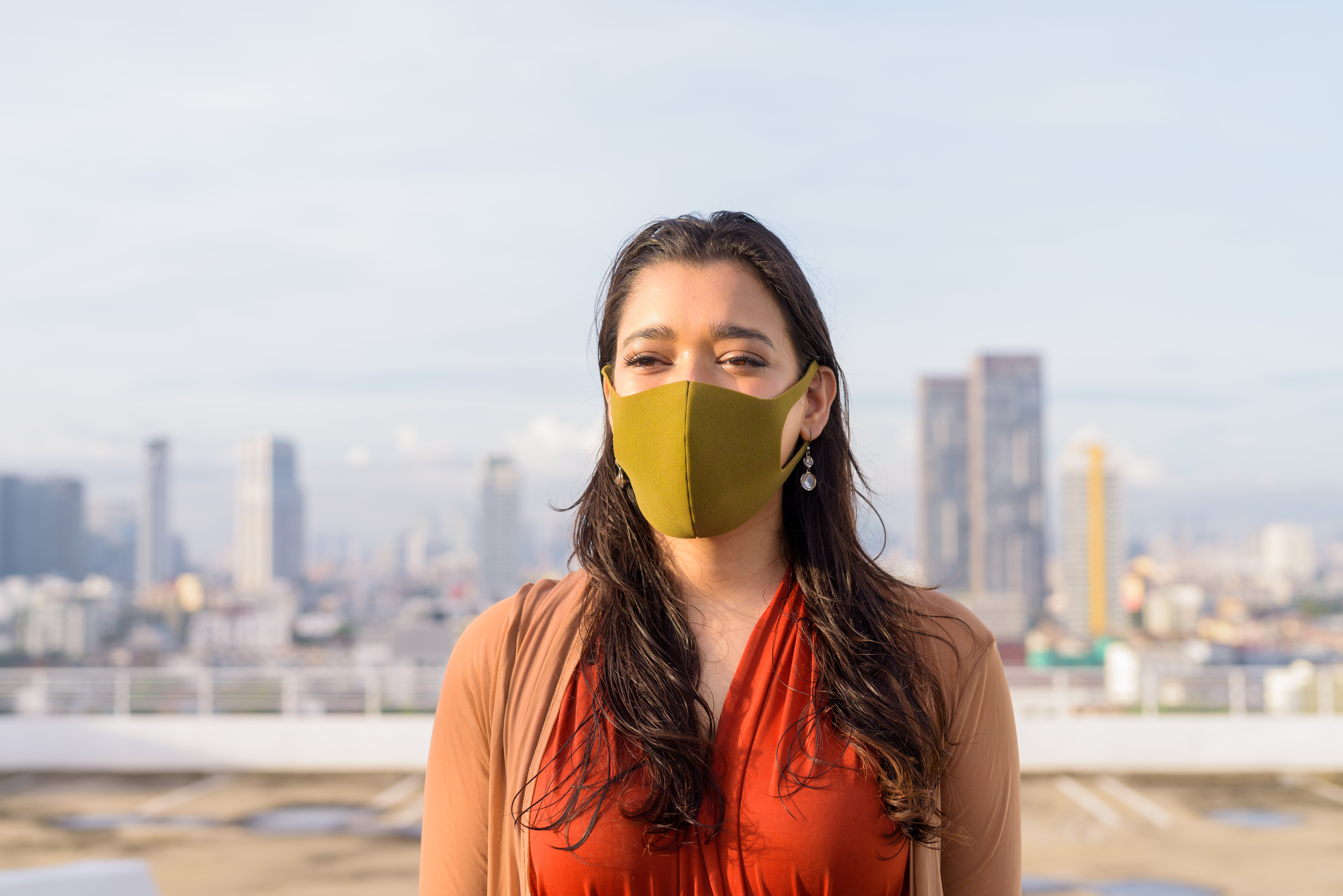
Air pollution—especially fine particulate matter (PM2.5)—is closely linked with increased visible pigmentation and age spots. These tiny particles can enter the skin, trigger oxidative stress, disrupt balance, and stimulate melanin production through stress pathways. Over time, long-term pollution exposure may contribute to stubborn age spots, especially in cities with higher pollution levels.
Key Intrinsic Causes of Pigmentation
Inflammation
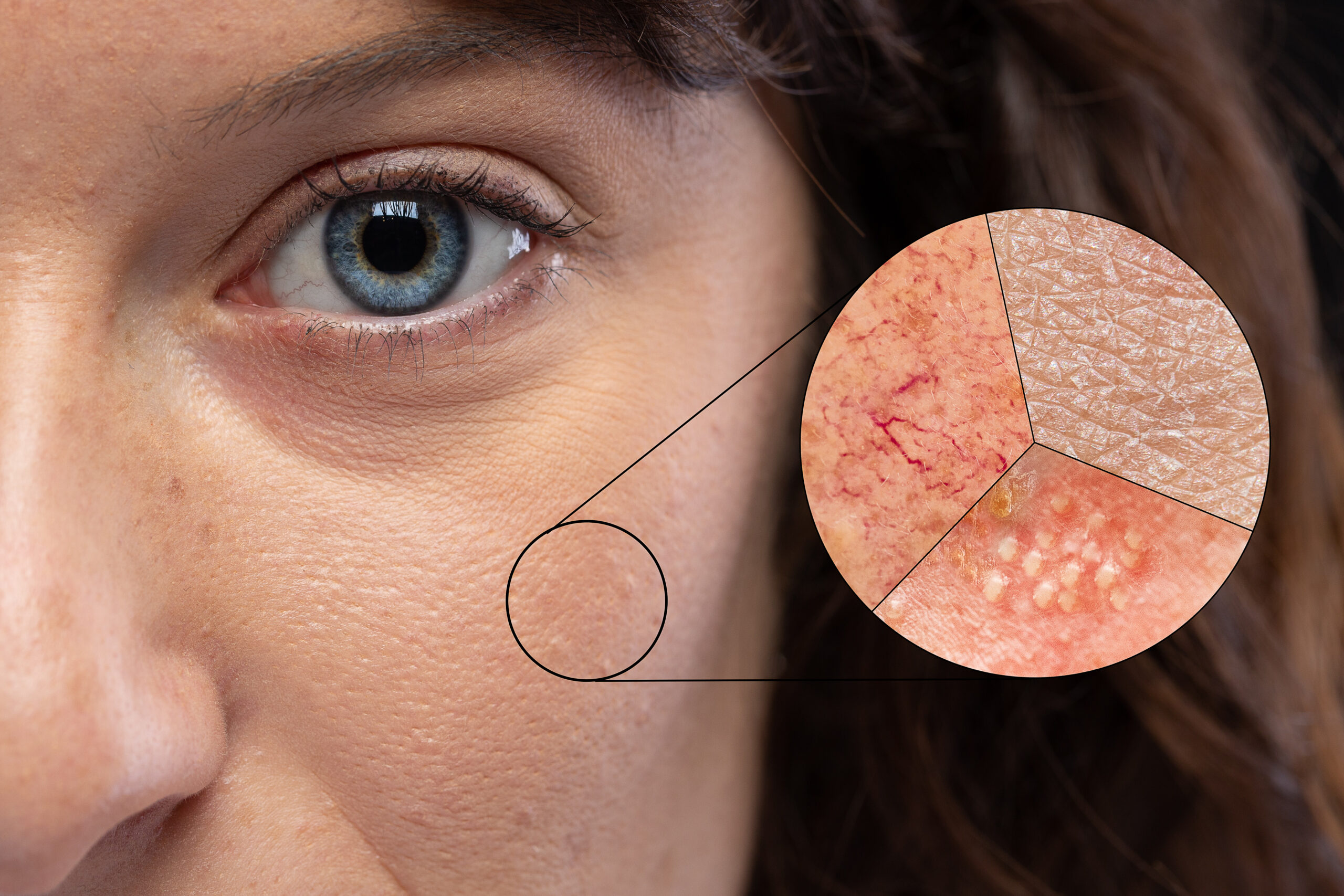
Enlarged view of the skin showing redness for rosacea, dry skin and pimples due to Herpes virus
Inflammation is one of the most common internal causes of pigmentation. Inflammatory mediators make pigment cells more active, increase dendrite formation, and accelerate melanin transfer. This is why acne, skin irritation, sensitivity, or rashes often leave dark spots behind—known as post-inflammatory hyperpigmentation.
Hormonal Fluctuations
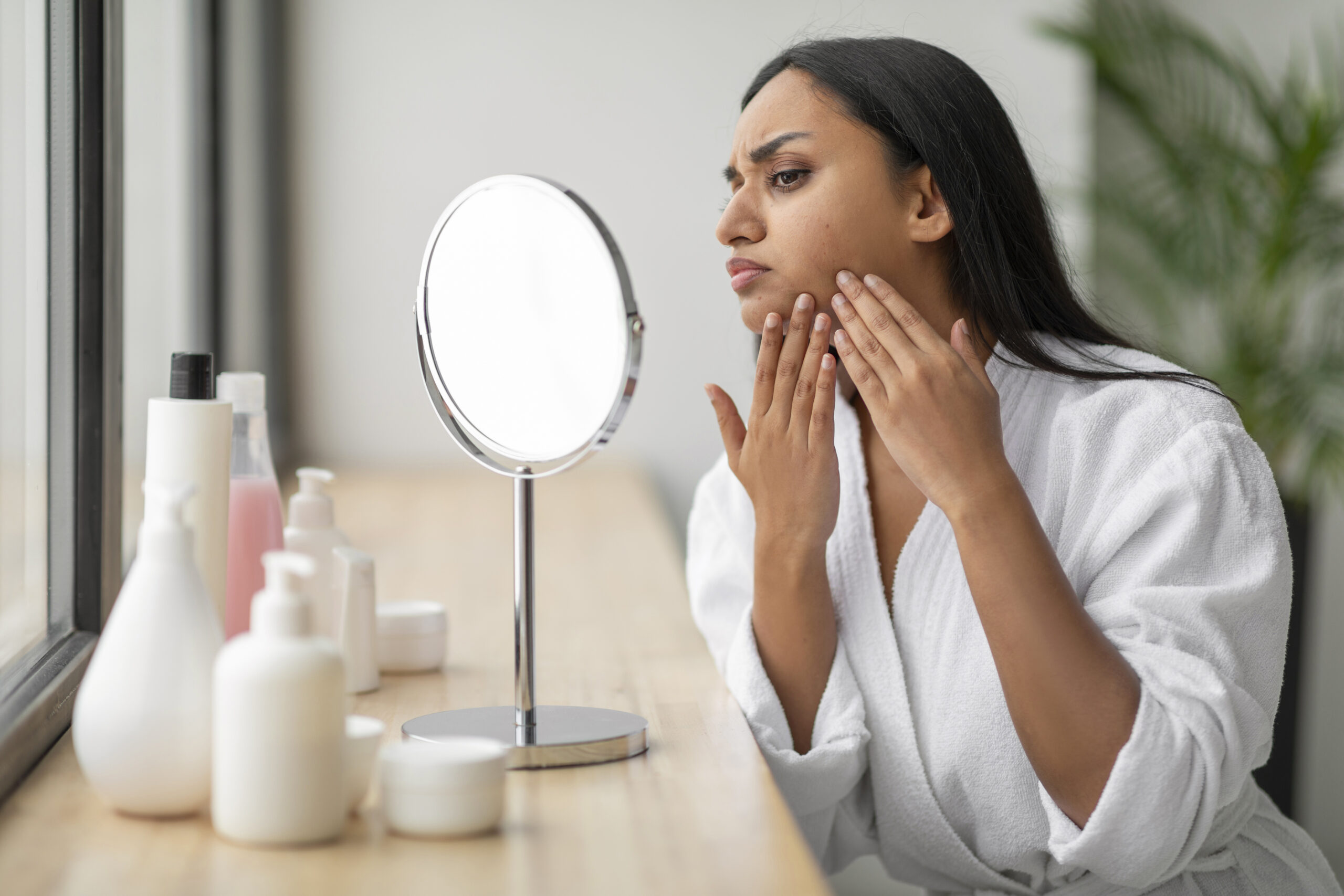
Headshot of upset young indian woman in white bathrobe looking at mirror and touching her face at home, suffering from skin problems. Acne, wrinkles, dull skin concept
Hormones—especially estrogen, α-MSH, and ACTH—can stimulate melanin production. These shifts are common during pregnancy, menopause, puberty, or endocrine imbalance, and often explain melasma or hormonally triggered uneven tone. When hormones are elevated, melanocytes become more active and pigmentation deepens.
Vascular Abnormalities
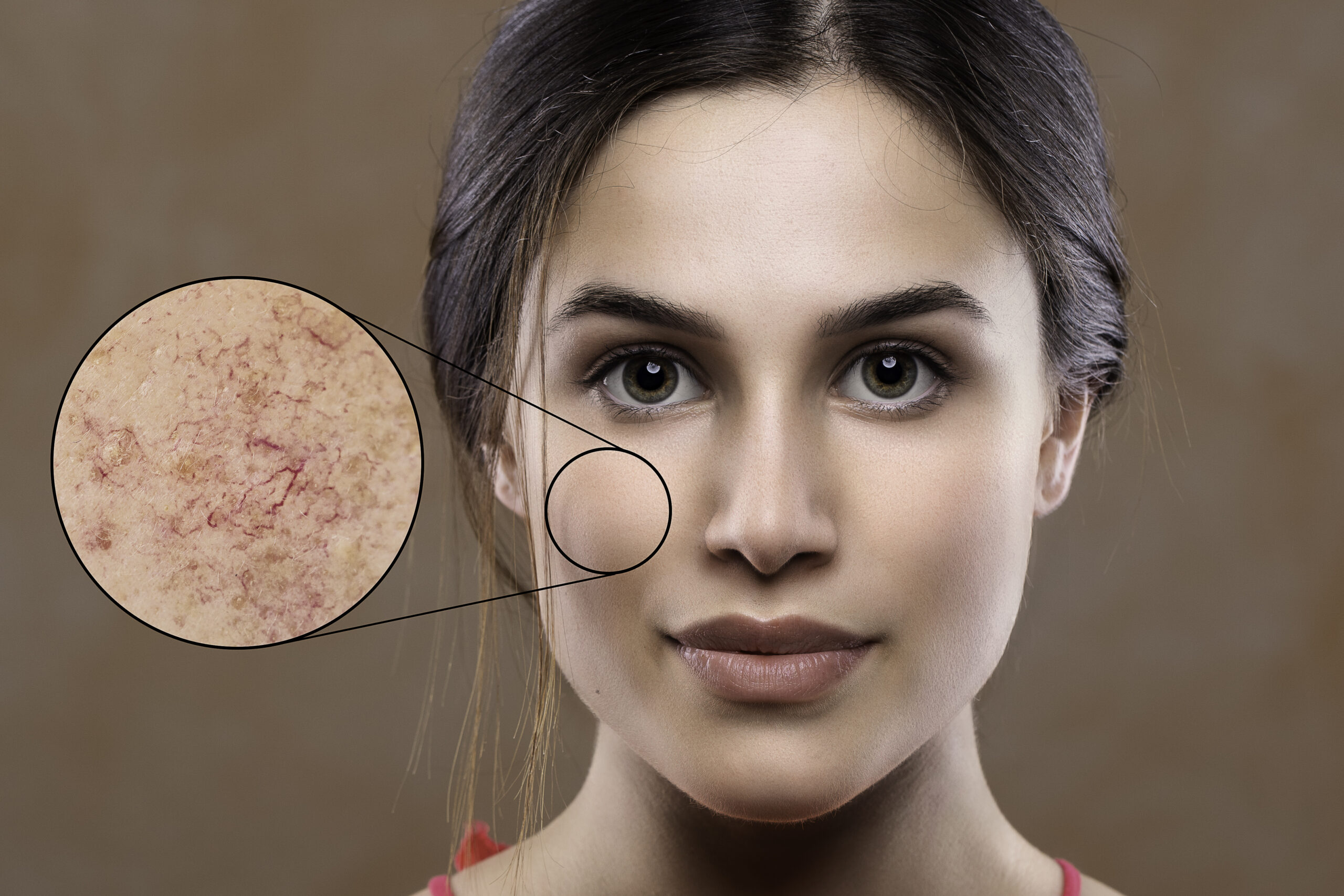
Hyperpigmented spots often show more blood vessels, increased blood flow, and abnormal capillary patterns compared to surrounding skin. These changes create a biological environment that makes pigmentation harder to fade and easier to relapse. Blood vessels also release molecules that stimulate melanogenesis, especially when combined with inflammation or hormones.
How to Protect Your Skin
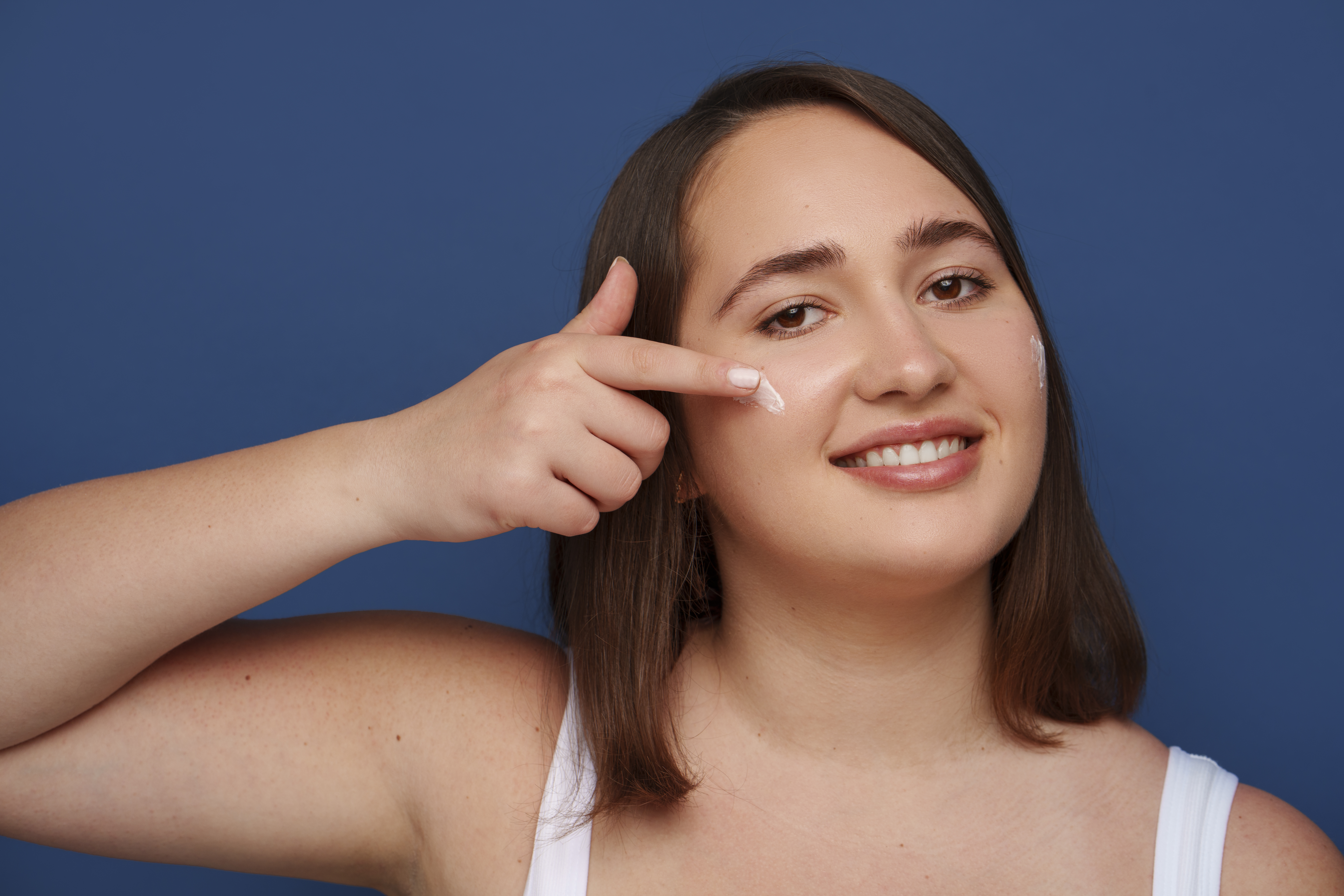
Daily Broad-Spectrum Sunscreen:
Choose formulas that protect against UVA, UVB, and visible light.
Antioxidant Skincare:
Vitamin C, niacinamide, and plant extracts help neutralize oxidative stress.
Barrier Support:
Keep skin hydrated and healthy to reduce inflammation.
Pollution Defense:
Cleanse thoroughly and use products with anti-pollution claims.
Microbiome Care:
Gentle cleansers and probiotic skincare can help maintain balance.
Final Thoughts
Pigmented spots are not caused by one factor—they result from a complex interplay of sun exposure, hormonal changes, inflammation, microbes, and pollution. A holistic approach that combines sun protection, antioxidant care, and lifestyle adjustments is key to preventing and managing hyperpigmentation effectively.
