


Hyperpigmentation and Brightening Ingredients play an important role in reducing dark spots and uneven skin tone. Discover 2 proven facts about how pigmentation develops and how science-backed brightening ingredients help achieve clearer, brighter-looking skin.
Hyperpigmentation is one of the most common skin concerns, affecting people with sun damage, acne marks, melasma, or uneven tone. Dark spots develop when excess melanin accumulates in specific areas of the skin. While new and trending actives are gaining attention, a group of well-researched topical ingredients continues to be the standard foundation of brightening skincare. These ingredients are safe, gradual, and suitable for most skin types when used consistently.
How Hyperpigmentation Develops
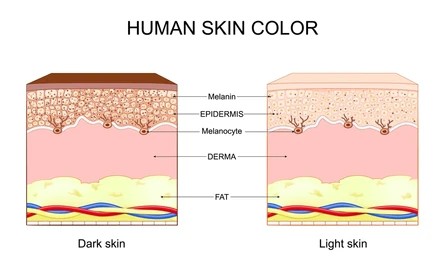
Melanin is produced inside melanocytes and transferred to surrounding keratinocytes. This process increases when the skin experiences sunlight, inflammation, oxidative stress, or hormonal fluctuations. The goal of brightening skincare is to reduce melanin formation, slow its transfer, or help skin fade pigment over time. Consistency and daily sun protection are essential because melanin forms continuously in response to external and internal triggers.
Most Common Brightening Ingredients
- Niacinamide:
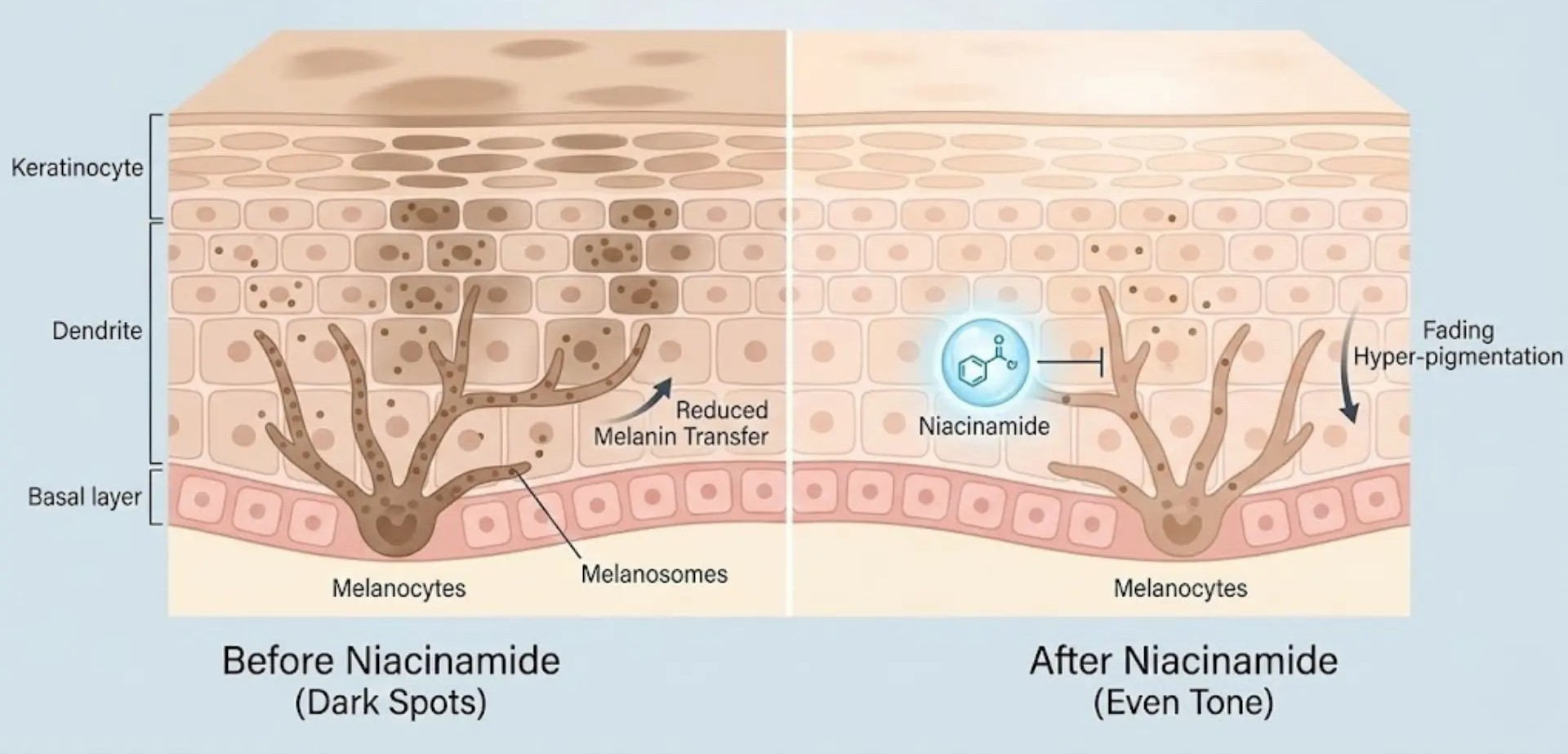
Niacinamide is a widely used brightening ingredient known for its ability to block melanin transfer between melanocytes and surrounding skin cells. When this transfer is reduced, less pigment becomes visible at the surface. Niacinamide also supports barrier health, calms inflammation, and improves skin smoothness, making it a preferred option for sensitive or blemish-prone skin. Its tolerability makes it one of the easiest ingredients to include in daily routines. - Vitamin C and Antioxidants:

Vitamin C remains a cornerstone of brightening care. It helps reduce oxidative stress in the melanogenesis pathway and gradually lightens visible discoloration. Antioxidants are especially helpful when oxidative reactions make pigmentation more persistent. Vitamin C supports collagen formation and works best when applied regularly with sunscreen to reduce UV-induced triggers. Because oxidative stress encourages melanin formation, antioxidant protection creates a more balanced environment for clearer tone. - Arbutin and Kojic Acid:
Arbutin and kojic acid are classic tyrosinase-suppressing ingredients often found in over-the-counter brightening products. By reducing the activity of tyrosinase, they help slow melanin production at the source. Arbutin is derived from plant extracts, while kojic acid is produced through fermentation. Both are suitable for gradual tone improvement and are frequently recommended for long-term use alongside strict sun protection. - Azelaic Acid:
 Azelaic acid is a gentle but effective option for fading discoloration from acne, melasma, or irritation-related pigmentation. It regulates overactive melanocytes and calms the inflammatory environment that makes hyperpigmentation more stubborn. Because azelaic acid does not rely on aggressive exfoliation, it is suitable for reactive and blemish-prone skin types and is well tolerated with consistent use.
 - Tranexamic Acid:
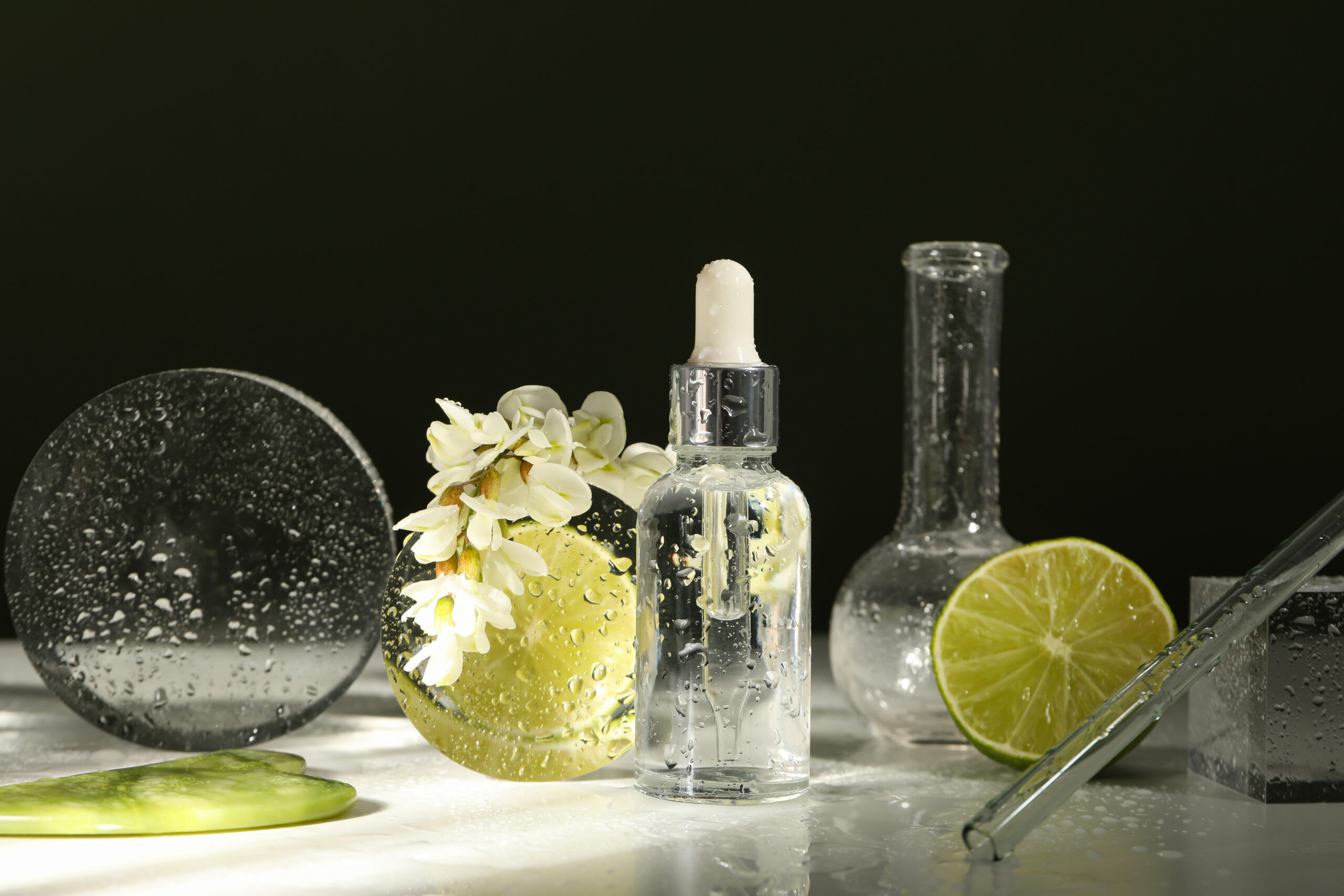
Tranexamic acid has become increasingly popular in pigmentation routines, especially for melasma. It reduces inflammatory mediators that stimulate melanocytes and helps control stubborn discoloration over time. Topical use offers good cosmetic tolerability and is most beneficial when paired with daily sun protection and calming skincare. - Exfoliation as Supportive Care:
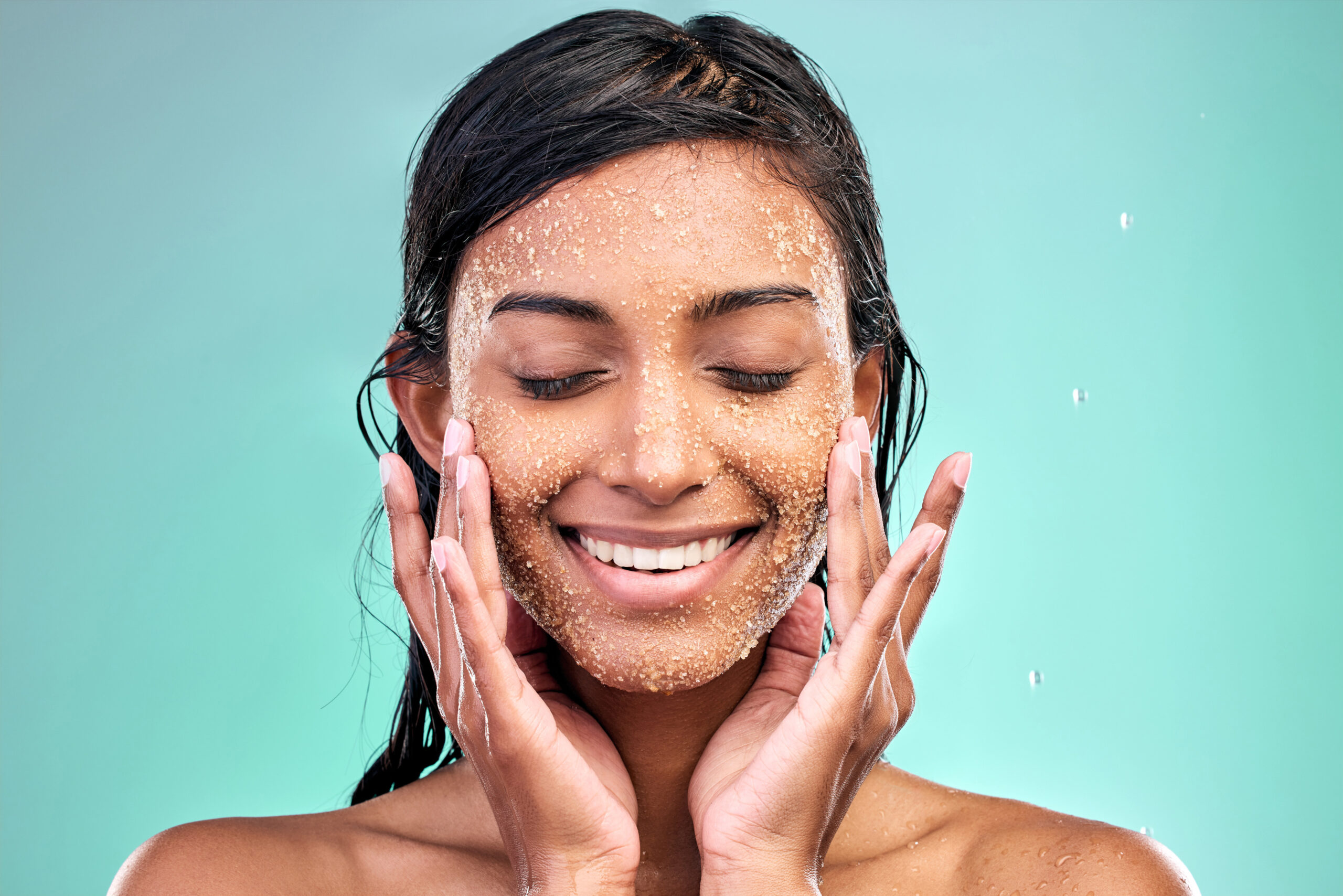
Woman washing face, hands and water drops for skincare, hygiene and beauty or dermatology in studio. Model with eyes closed thinking of facial wellness, makeup or cosmetics removal on blue background.
Chemical exfoliants such as glycolic acid and salicylic acid help remove dull keratin and make pigment shed more evenly. While exfoliants are not direct tyrosinase inhibitors, they improve tone by increasing cell renewal and helping pigment fade gradually. Overuse, however, may irritate the skin barrier, so exfoliation should be used moderately and supported with hydration.
Final Takeaway
Long-established brightening ingredients such as niacinamide, vitamin C, kojic acid, arbutin, azelaic acid, and tranexamic acid remain some of the most reliable tools for hyperpigmentation. They act through well-defined biological pathways that help reduce discoloration safely and gradually. When paired with sunscreen and consistent routines, these individual actives can improve dark spots, uneven tone, sun-induced pigmentation, and post-inflammatory marks without aggressive treatments.
