

Everyday Habits That Damage Your Skin Health can quietly affect your complexion. Discover how diet, stress, sleep, pollution, UV exposure, smoking, and alcohol impact your skin and learn simple ways to maintain healthier, brighter skin.
Healthy skin depends on much more than skincare products. Every day, your skin responds to a mix of internal and external factors—diet, stress, sleep, climate, pollution, smoking, alcohol, and light exposure. Together, these influences form the exposome, and they determine how quickly your skin ages, how well the barrier functions, and how prone you are to inflammation or pigmentation changes.
How Daily Life Shapes Skin Function
Lifestyle habits affect the biological pathways involved in oxidative stress, inflammation, collagen integrity, cell turnover, and melanocyte behavior. When everyday choices disrupt these systems, the skin becomes more reactive, looks duller, and develops visible signs of aging more quickly.
Diet: The Foundation of Skin Health

Food choices directly impact the skin’s resilience. High-sugar and high-glycemic foods stimulate glycation, which stiffens collagen and accelerates aging. Fast food rich in saturated fats and simple carbohydrates contributes to inflammation that weakens the barrier and affects clarity. Low antioxidant intake reduces the skin’s natural defense against oxidative stress, making dullness and uneven tone more likely. Even synthetic food dyes such as tartrazine may contribute to sensitivity and fatigue that reflect on the skin.
2. Stress & Sleep: Internal Stressors With Visible Effects

Stress triggers hormonal shifts and inflammatory responses that weaken the skin barrier and speed up aging. Poor sleep amplifies these effects by reducing the skin’s ability to repair overnight. Lack of restorative sleep contributes to dullness, tired under-eyes, weakened barrier function, and greater sensitivity—all of which make pigmentation and irritation more noticeable.
3. Smoking & Alcohol: Oxidative Load on the Skin
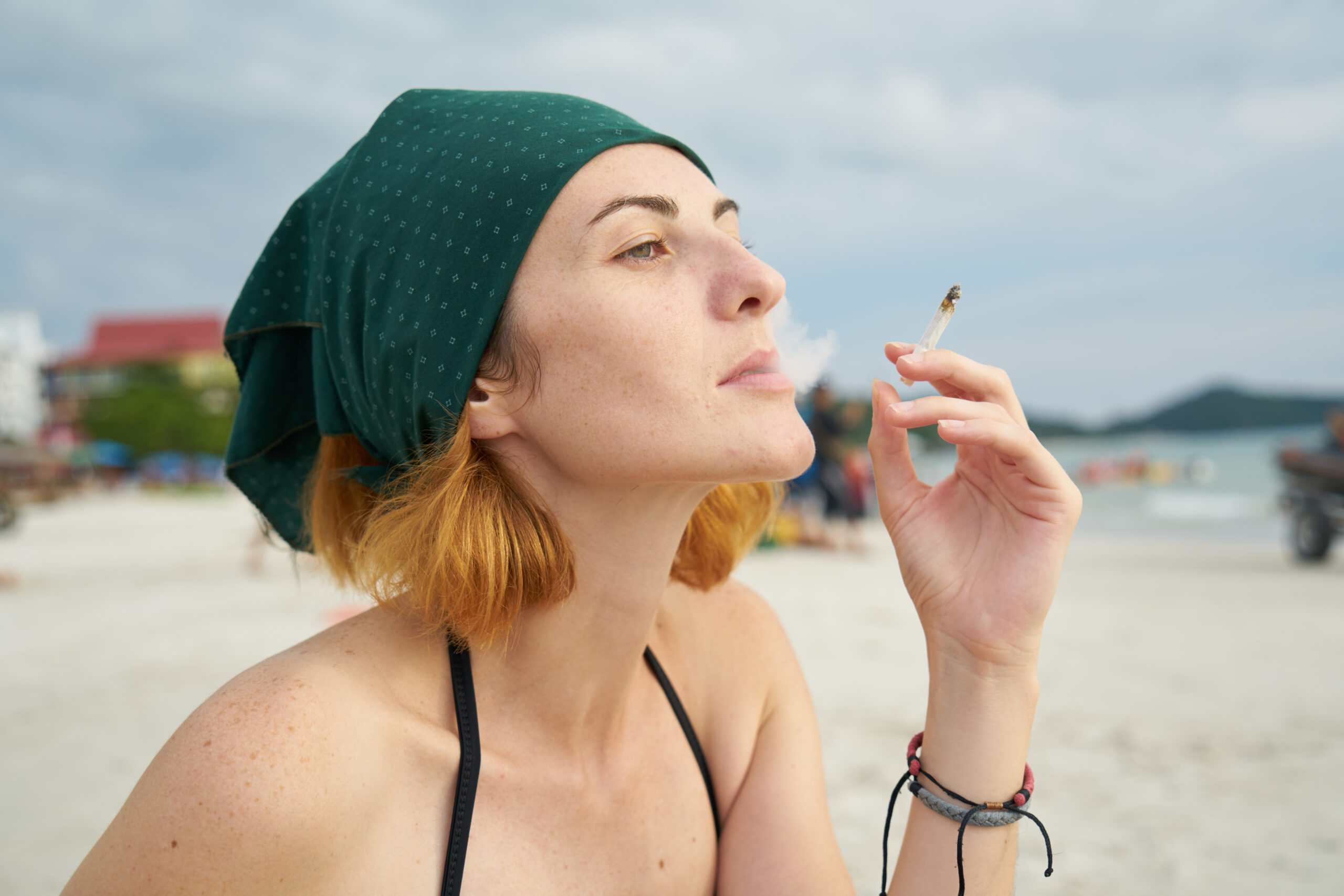
Smoking floods the skin with free radicals that break down collagen and elastin while depleting protective antioxidants. Alcohol dehydrates the skin, reduces carotenoid antioxidant levels, and triggers redness through vessel dilation. Both habits accelerate aging and make the skin more prone to uneven tone and barrier disruption.
Pollution: A Growing Skin Threat
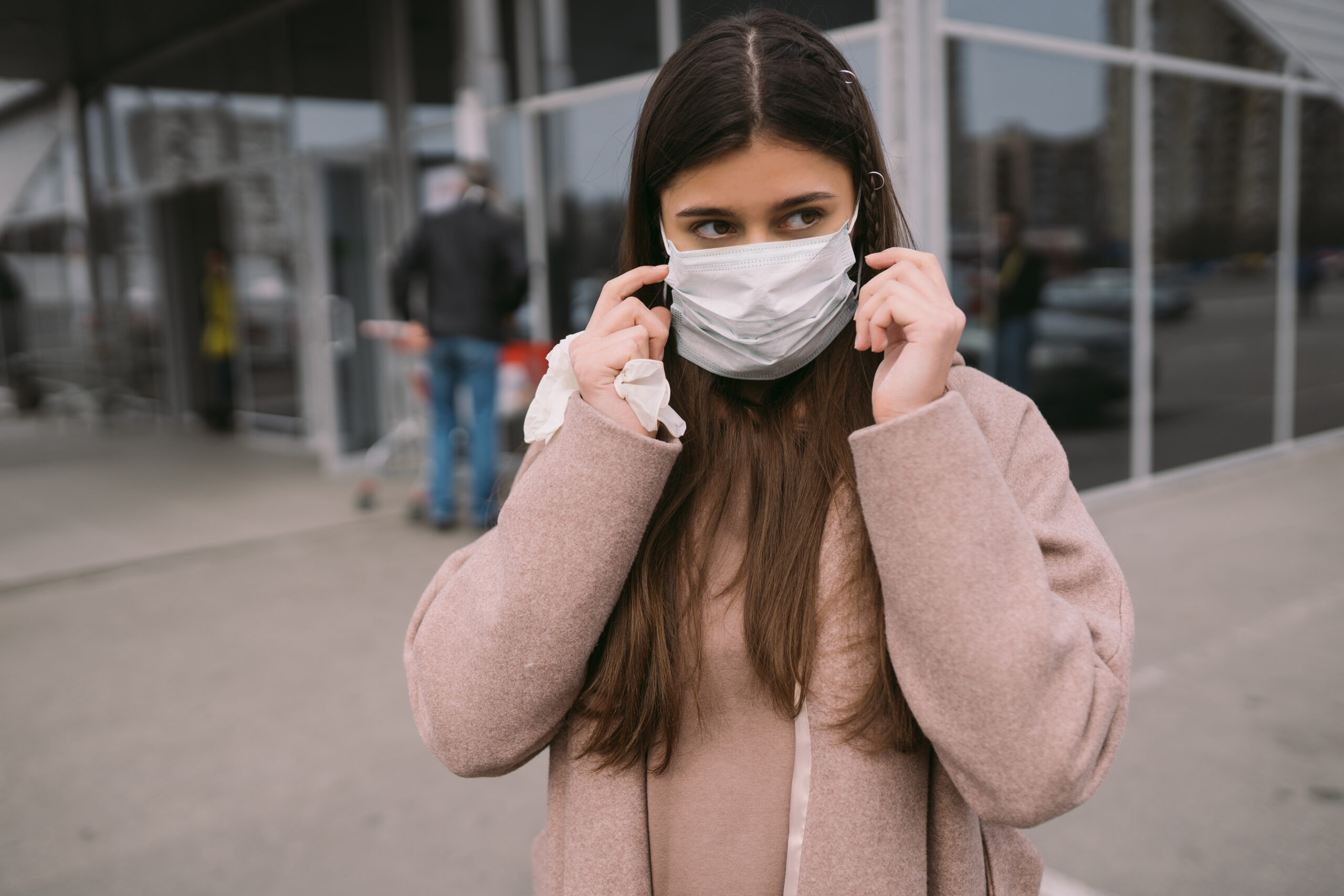
Pollution—including ozone, particulate matter, VOCs, and PAHs—penetrates the skin and generates oxidative molecules that overwhelm its natural defenses. This contributes to wrinkles, rough texture, irritation, and pigment irregularities. Rising pollution levels, urban living, and wildfire exposure increasingly challenge the skin’s resilience.
Climate & Temperature: Heat, Cold, and Humidity
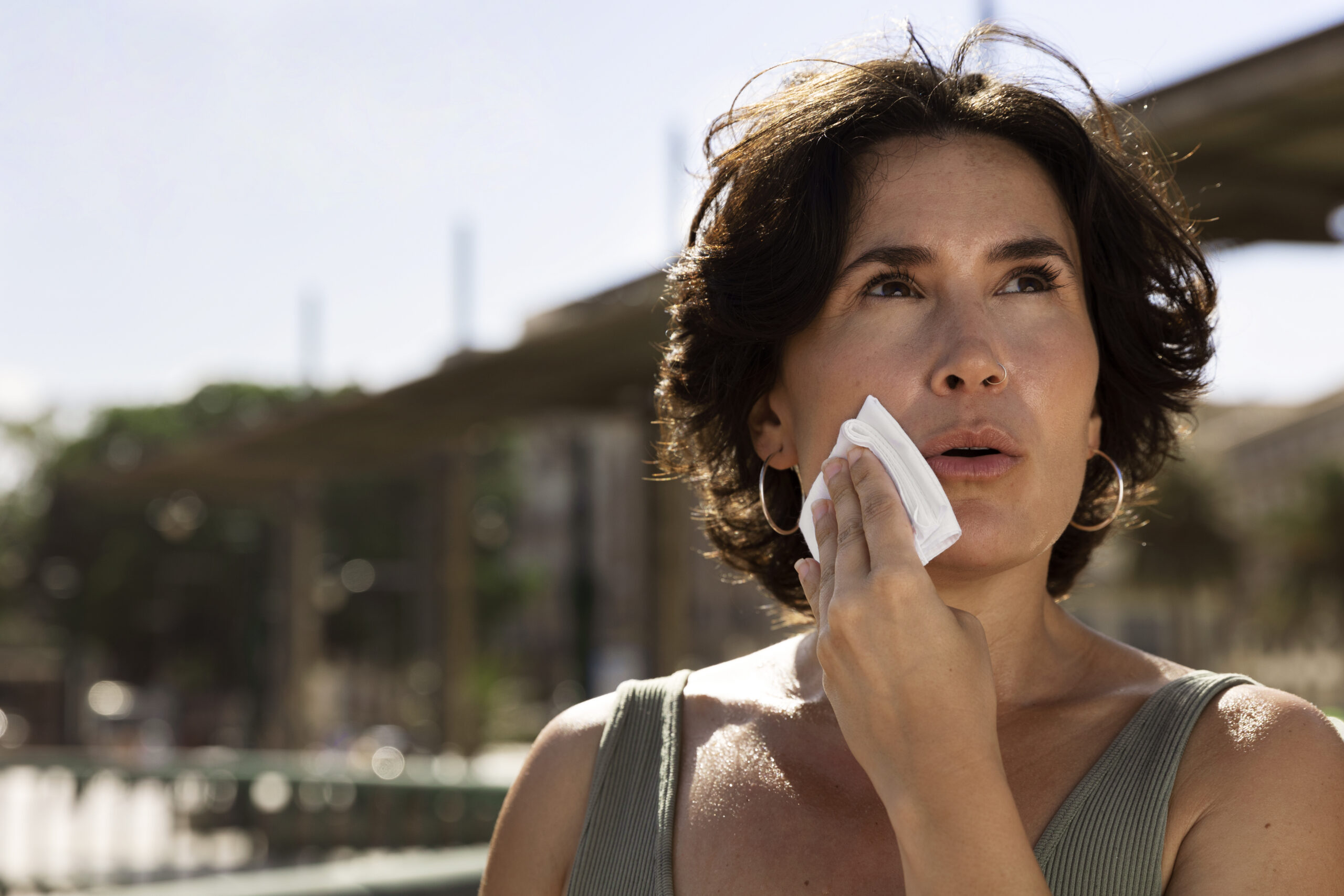
Environmental temperature affects nearly every skin function. Heat increases inflammation, vessel activity, and enzymes that break down collagen—deepening pigmentation and accelerating aging. High humidity encourages microbial imbalance and irritation, while cold weather stresses the barrier, reduces circulation, and slows repair. Blue light and infrared radiation also contribute to oxidative stress and subtle pigment changes.
UV & Visible Light: The Strongest External Driver
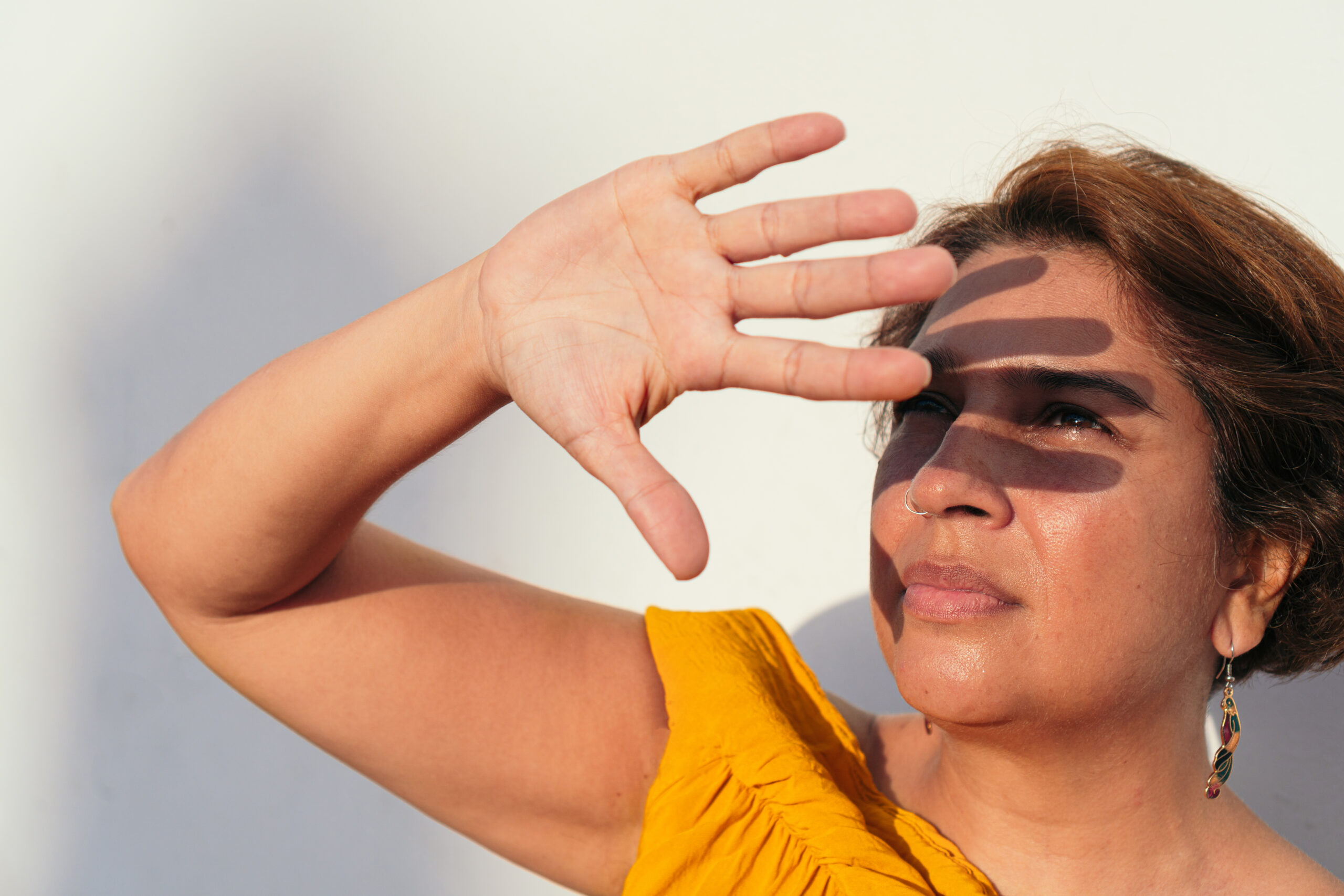
UV exposure remains the most powerful external factor in skin aging and pigmentation. UVA, UVB, and visible light influence melanocyte activity, oxidative balance, collagen breakdown, and DNA stability. Blue light affects circadian rhythm and contributes to oxidative stress—even during long hours indoors.
Final Thoughts
Your skin is constantly influenced by your lifestyle and environment. Diet, stress, sleep patterns, pollution levels, climate, UV exposure, smoking, and alcohol collectively shape how your skin ages, how even your tone remains, and how strong your barrier stays. Supporting healthy skin means paying attention not only to what you apply, but also to how you live. Small, consistent changes create noticeable improvements in clarity, resilience, and long-term skin health.
