


Skin Barrier Damage and UV-Induced Hyperpigmentation: 5 powerful ways to prevent dark spots by understanding how skin barrier damage and UV-induced hyperpigmentation are connected.
Hyperpigmentation is one of the most common skin concerns today, and while sunlight, hormones, and inflammation often take the blame, the skin barrier is a factor that many people overlook. When the epidermal barrier becomes damaged, the skin doesn’t just feel more sensitive—it also becomes more reactive to UV exposure. This heightened reactivity increases the tendency to form dark spots and makes pigmentation harder to fade. The link between a weakened barrier and stronger pigment formation becomes clear when looking at how the skin behaves under UV light.
Understanding the Skin Barrier and Why It Matters
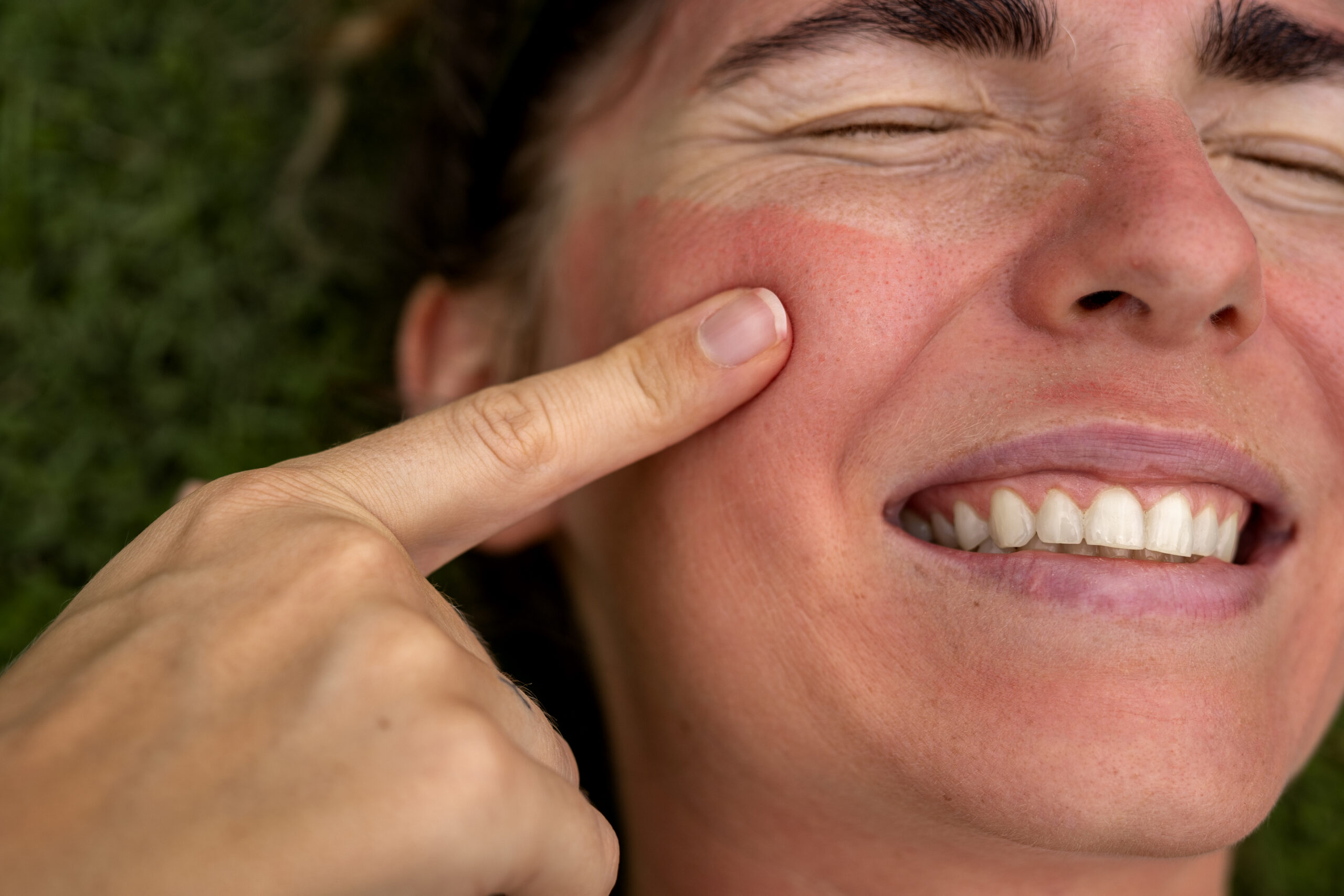
The skin barrier acts as the body’s natural shield. It keeps moisture in, blocks irritants, and maintains skin stability. When this barrier is intact, the skin handles daily stress with more resilience. But once weakened—through over-exfoliation, harsh products, environmental stressors, or skin conditions—the skin becomes far more sensitive to UV radiation. This sensitivity doesn’t just cause redness or irritation; it directly influences how much pigment the skin produces after sun exposure.
What Happens When UV Hits a Damaged Barrier
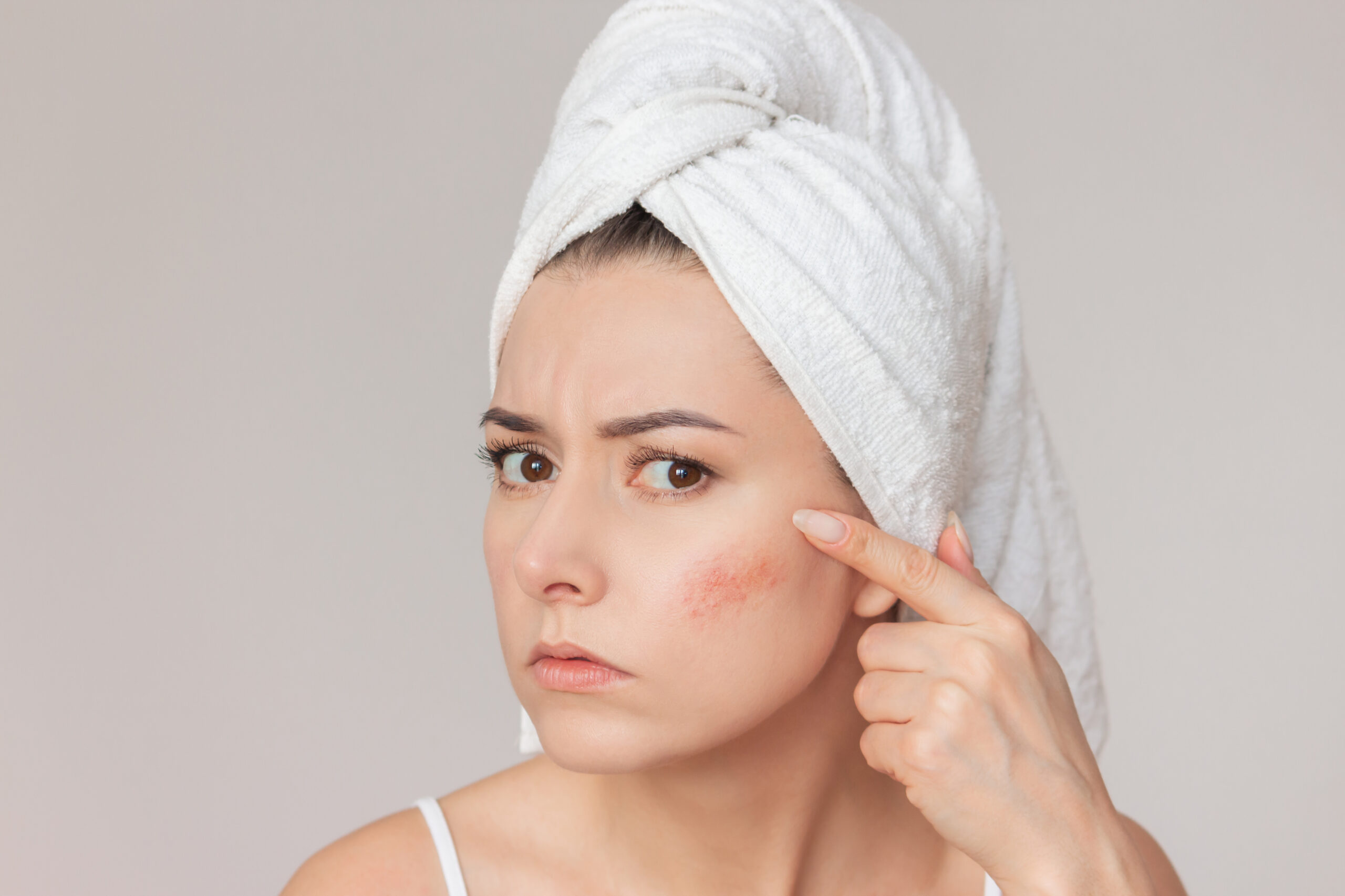
Healthy skin typically manages UV exposure with a controlled melanin response meant to protect deeper layers of the skin. When the barrier is compromised, this response becomes exaggerated. Barrier-weakened skin begins producing higher levels of pigmentation-related signals, including p53, POMC, and tyrosinase-related protein-1 (TRP-1). These signals guide melanocytes—the pigment-producing cells—to increase melanin output, resulting in deeper and more noticeable darkening.
In simple terms, a compromised barrier causes the skin to overreact to UV, producing more pigment than it normally would.
Why Does the Barrier Change the Pigment Response?
Several biological changes occur when the barrier is weakened:
Increased UV Penetration
When the barrier is disrupted, UV rays reach deeper layers of the skin more easily. Even mild UV exposure triggers a stronger pigment response.
Heightened Inflammatory Signals
Barrier damage naturally increases inflammation. These inflammatory messages communicate with melanocytes and encourage more melanin production.
Stronger Activation of Pigmentation Pathways
Pigment-related signals such as p53 and POMC rise significantly when the barrier is weakened, encouraging melanocytes to become more active. More signals lead to more pigment.
Increased Oxidative Stress
Damaged skin struggles to defend itself against UV-generated free radicals, and this oxidative stress further fuels melanin formation.
Together, these changes explain why people with a compromised barrier often notice that dark spots appear more quickly, deepen more easily, and linger for longer.
Real-Life Triggers That Damage the Barrier
Many daily habits quietly weaken the skin barrier without being immediately noticeable. Over-exfoliating with acids or physical scrubs can strip away essential protective layers, while harsh or drying cleansers remove the lipids that help the skin stay resilient. Not moisturizing enough further reduces the skin’s ability to retain hydration, making it more vulnerable to irritation and damage. Excessive sun exposure weakens the barrier over time, and layering too many active ingredients can overwhelm the skin and disrupt its natural balance. Conditions like eczema or dermatitis also impair barrier function, leaving the skin more exposed to external triggers and more reactive to UV light. Once the barrier is weakened, even small amounts of sun exposure can trigger noticeable darkening.
How to Prevent UV-Induced Hyperpigmentation
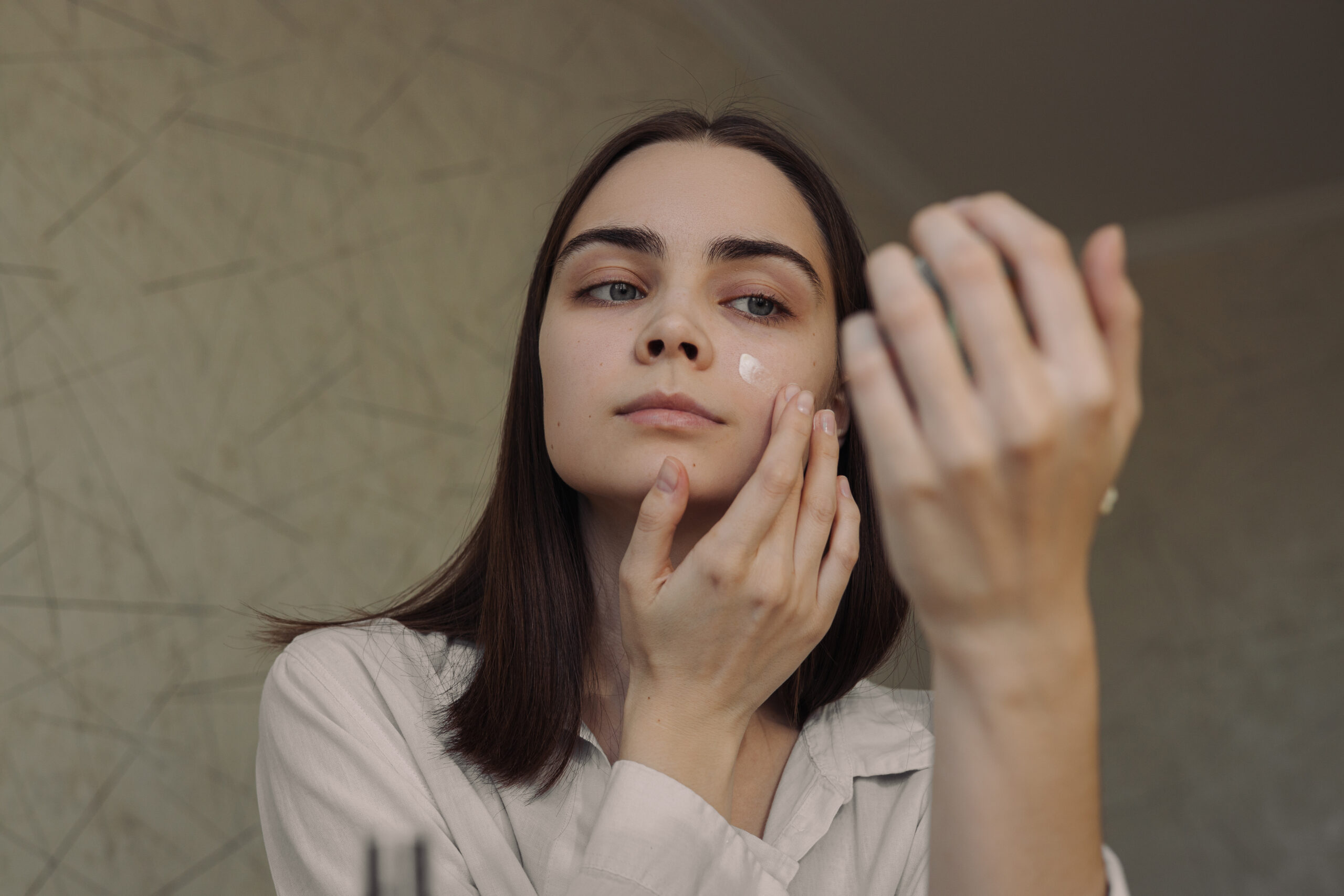
Keeping the barrier strong is one of the most effective ways to limit UV-related pigmentation. Products containing ceramides, cholesterol, fatty acids, Centella asiatica, niacinamide, hyaluronic acid, and gentle emollients help support barrier repair.
Daily broad-spectrum sunscreen is essential, as barrier-weakened skin is especially sensitive to UV rays. Soothing ingredients also help reduce the internal signals that push melanocytes to overproduce pigment.
Final Thoughts
Hyperpigmentation isn’t just a UV issue—it’s also a barrier issue. When the skin barrier is compromised, UV exposure leads to a stronger and more persistent pigment response. Strengthening the barrier and protecting the skin from the sun work hand in hand to reduce UV-induced dark spots and help maintain a clearer, more even-toned complexion.
