

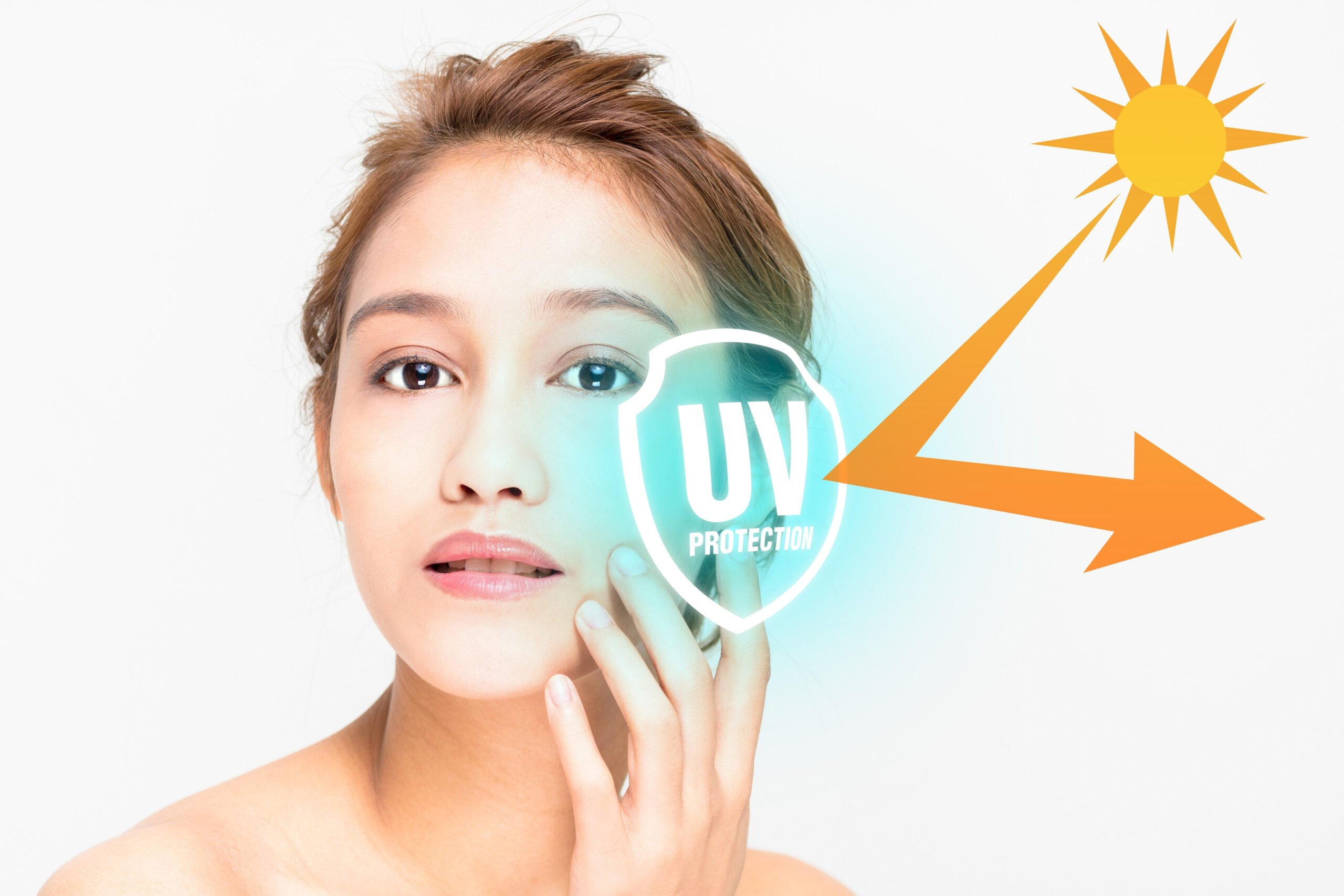
Why sunscreen is essential for pigmentary and inflammatory skin disorders. Learn how daily broad-spectrum SPF helps protect melasma, PIH, rosacea, eczema, psoriasis, and other sun-sensitive skin conditions.
Sunscreen is often viewed as a basic tool to prevent tanning or sunburn, but for people dealing with pigmentary conditions and inflammatory skin disorders, its role goes far beyond that. Sunlight, UV radiation, and even visible light can aggravate discoloration, trigger flare-ups, and delay healing. Proper photoprotection becomes a daily necessity for maintaining skin stability and preventing long-term damage.
Sunscreen for Pigmentary Disorders
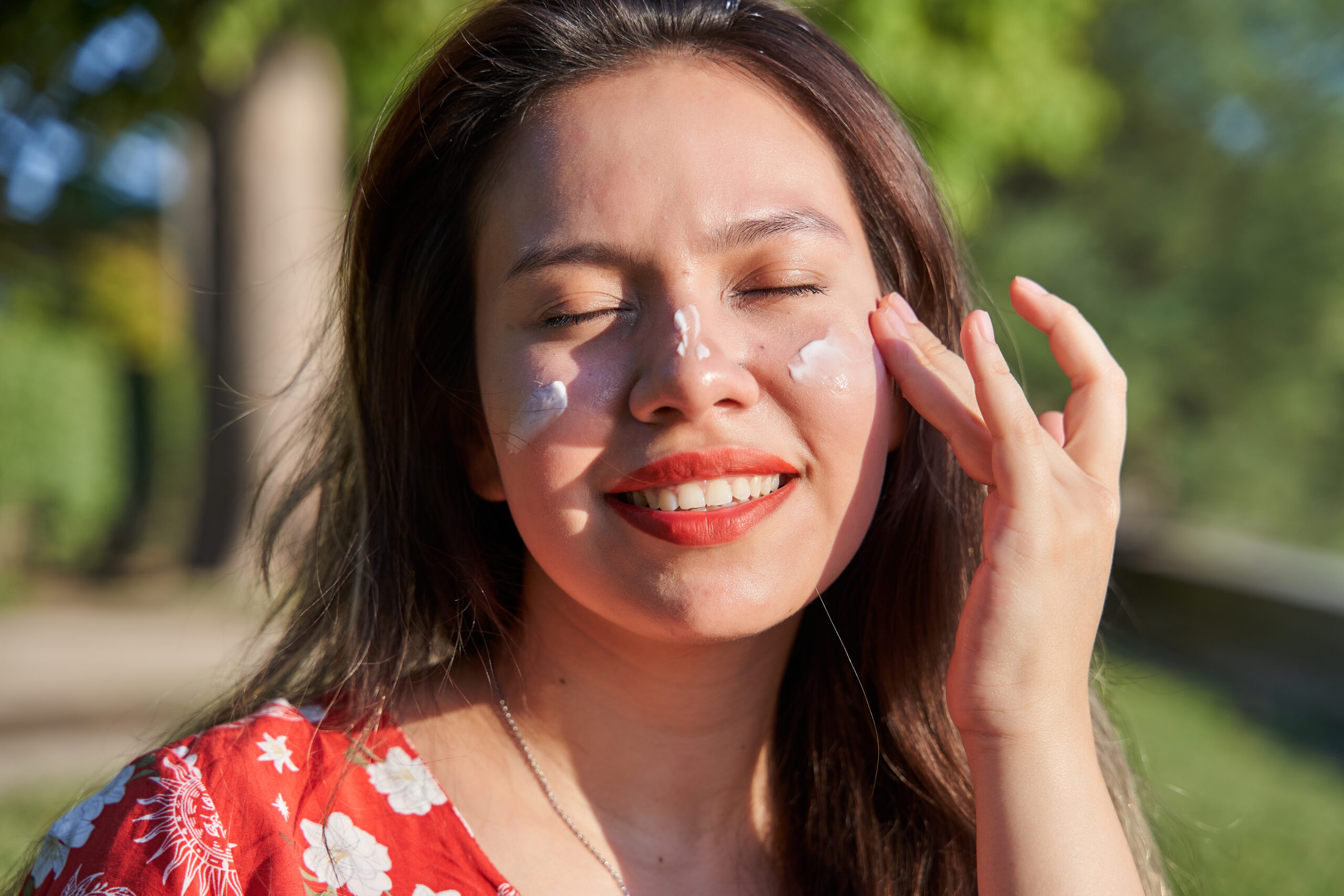
Pigmentary disorders are among the most sensitive to light exposure. Both UV rays and visible light can intensify darkening, increase relapse rates, and prolong discoloration. For this reason, choosing the right sunscreen is a key part of managing these conditions effectively.
Solar-InducedPigmentation
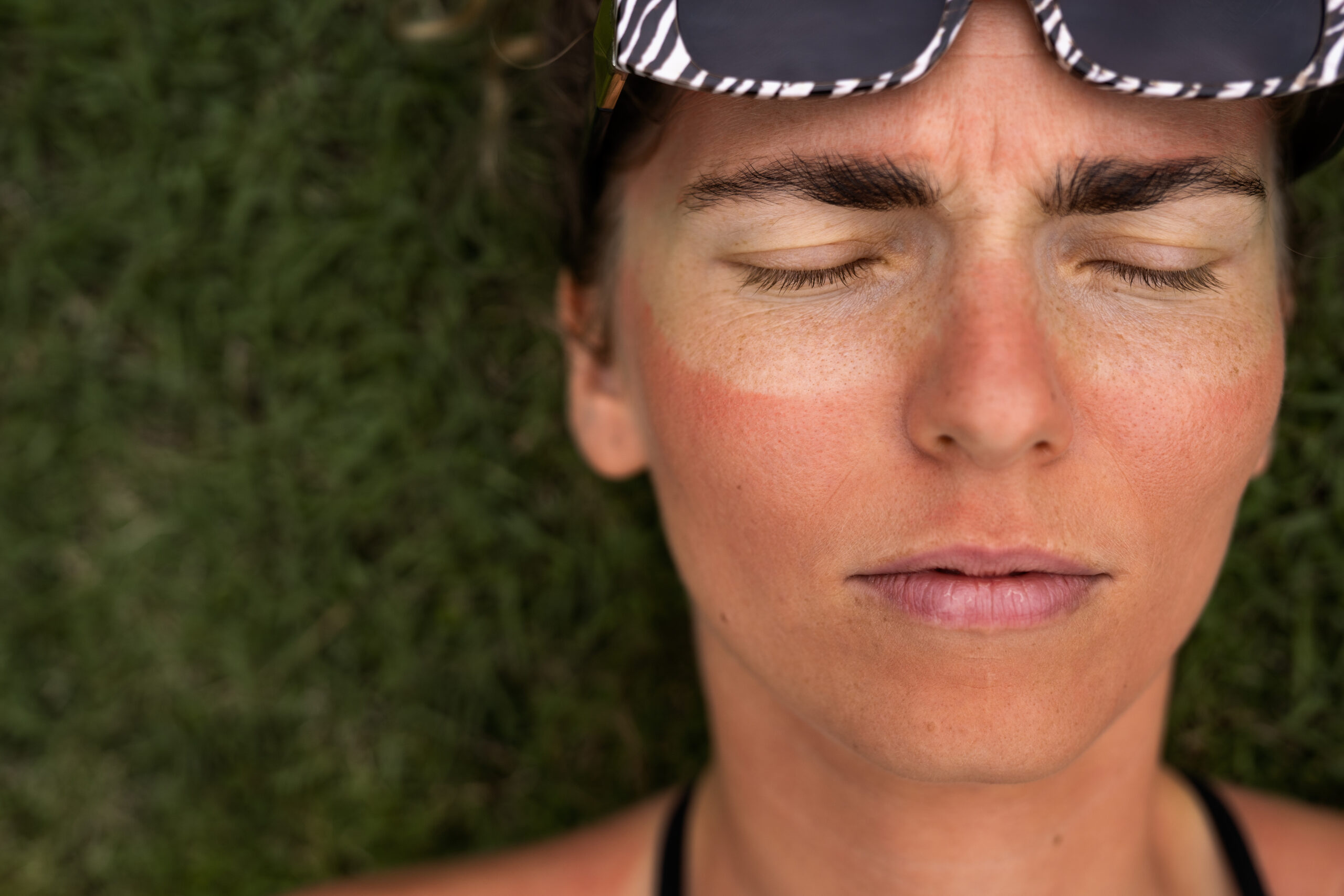
UV radiation and visible light increase the depth and persistence of pigmentation, especially in medium to deeper skin tones. Broad-spectrum sunscreens that also protect against visible light—often through tinted formulations containing iron oxides—provide a meaningful layer of defense.
Melasma

Melasma responds strongly to UVA, UVB, and visible light. Tinted sunscreens have been shown to decrease relapse risk more effectively than UV-only products because they shield the skin from visible light as well. Daily use of SPF with iron oxides is recommended for long-term melasma control.
Post-InflammatoryHyperpigmentation (PIH)

Skin that is healing from acne, eczema, or cosmetic procedures can darken rapidly with even minimal sun exposure. Ambient daylight—not just direct sun—can worsen PIH. Consistent, year-round photoprotection is essential to prevent deepening of dark marks. Sunscreens that cover UVA, UVB, and visible light provide the best results.
LichenPlanusPigmentosus & Riehl Melanosis
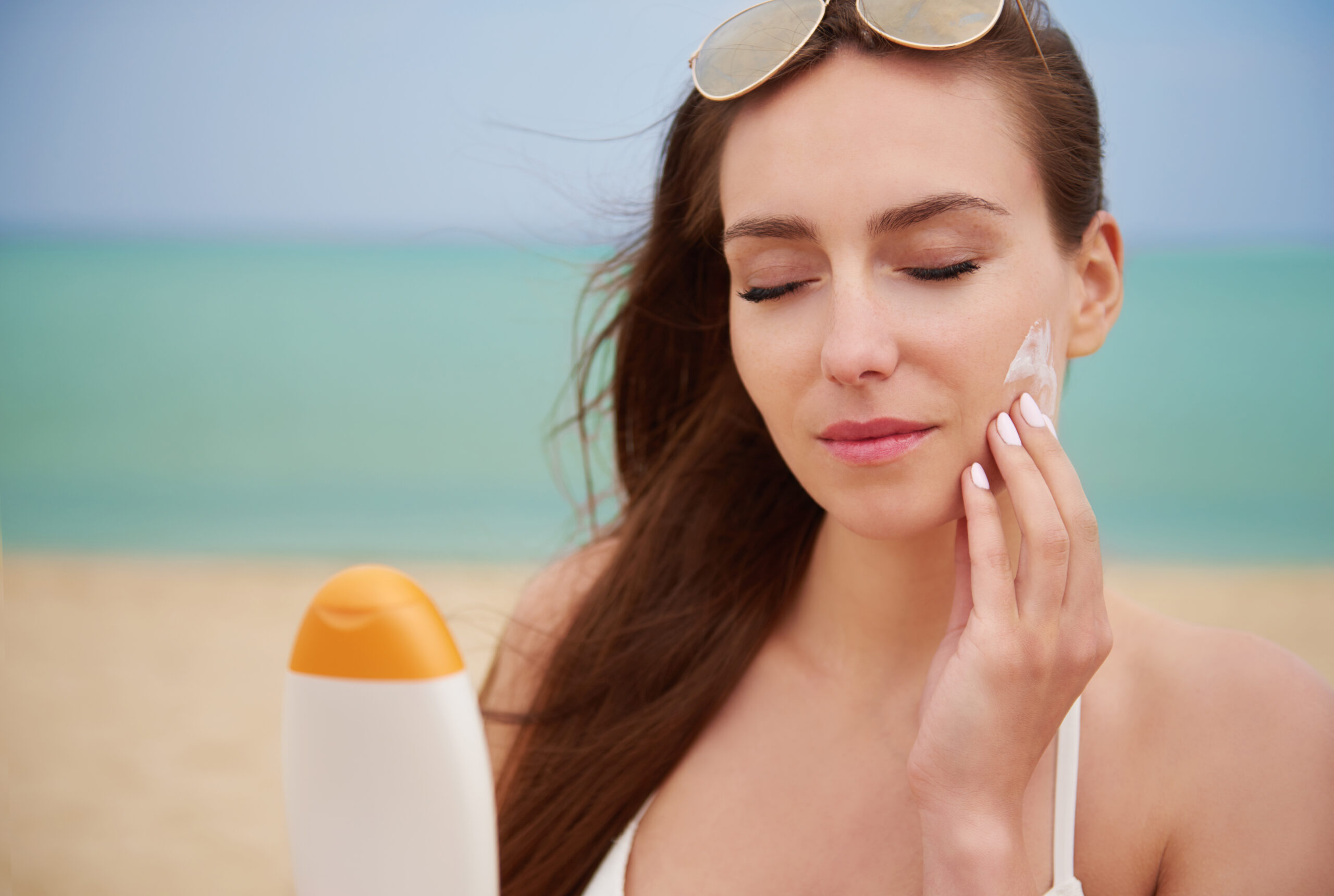
These conditions involve deep, persistent pigmentation that darkens further with light exposure. Daily, strict use of broad-spectrum sunscreen is strongly advised to avoid progression.
Sunscreen for Inflammatory Skin Disorders
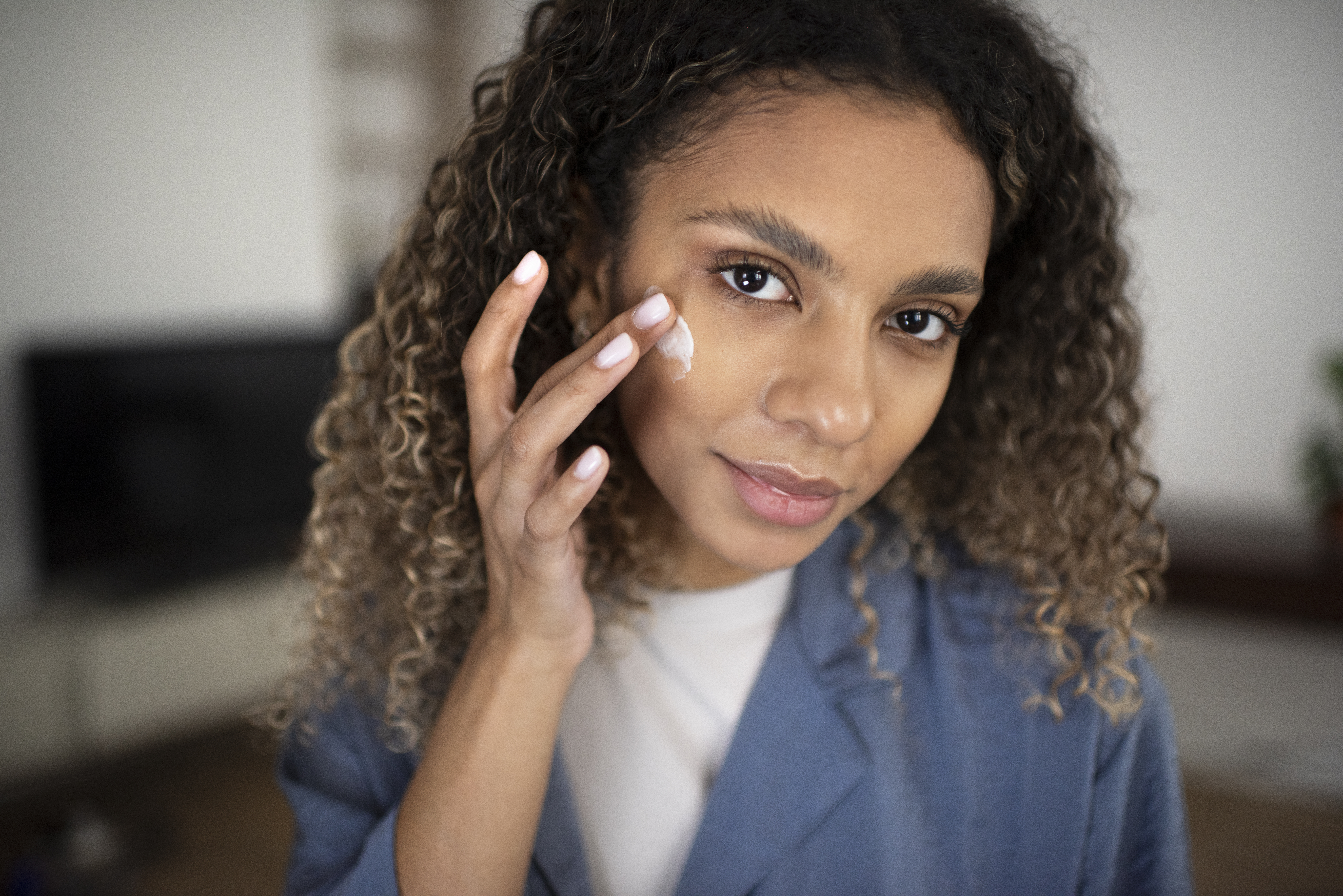
Inflammatory skin diseases often worsen when exposed to UV radiation, heat, or light. Photoprotection helps reduce flare-ups, irritation, and the risk of long-term skin changes.
Rosacea

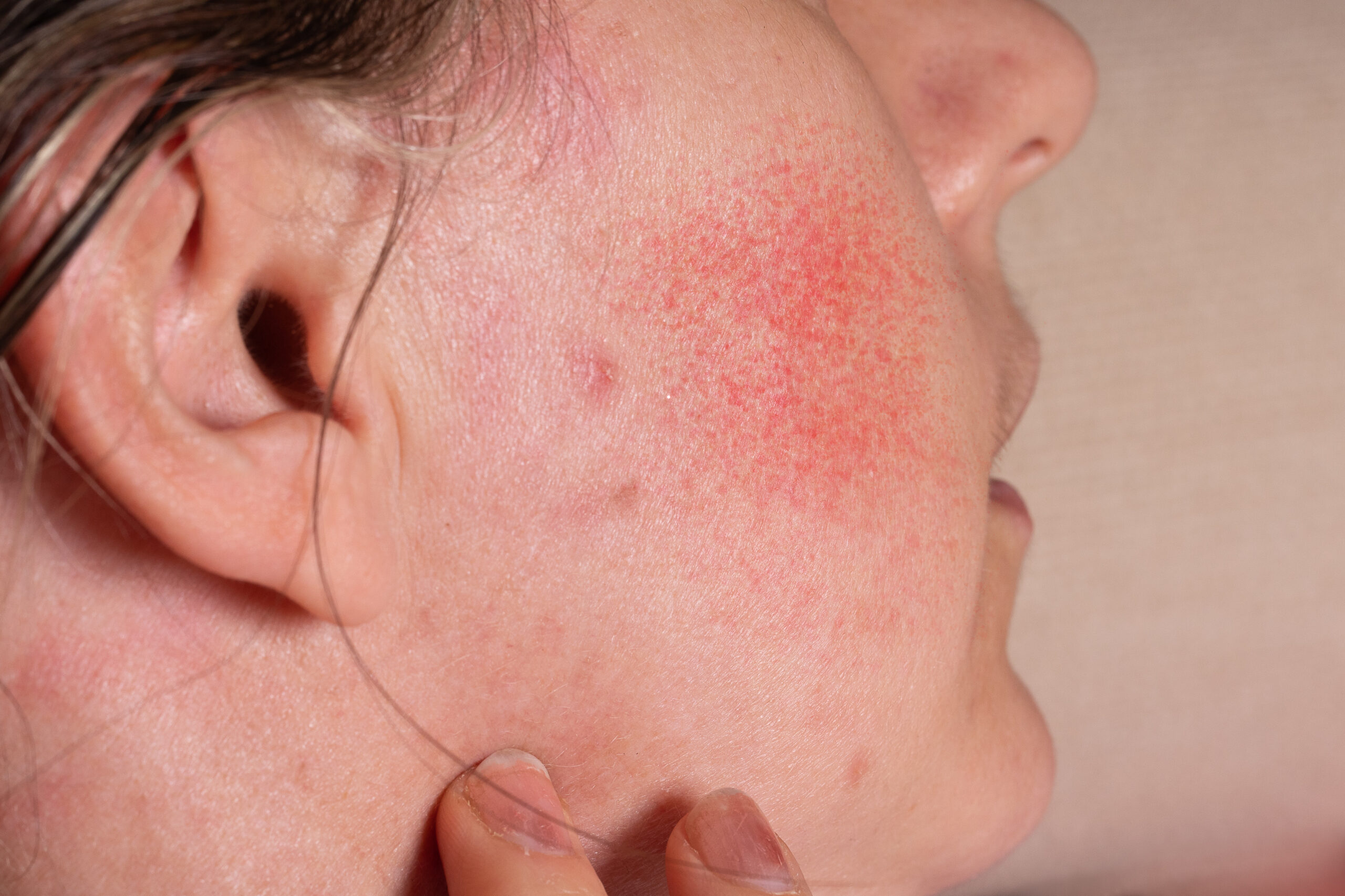
Rosacea is highly sensitive to sunlight and heat. Broad-spectrum sunscreen helps reduce flare-ups, redness, and discomfort. Formulas containing dimethicone or cyclomethicone tend to be better tolerated and feel soothing on reactive skin.
Acneand Acne-Related PIH
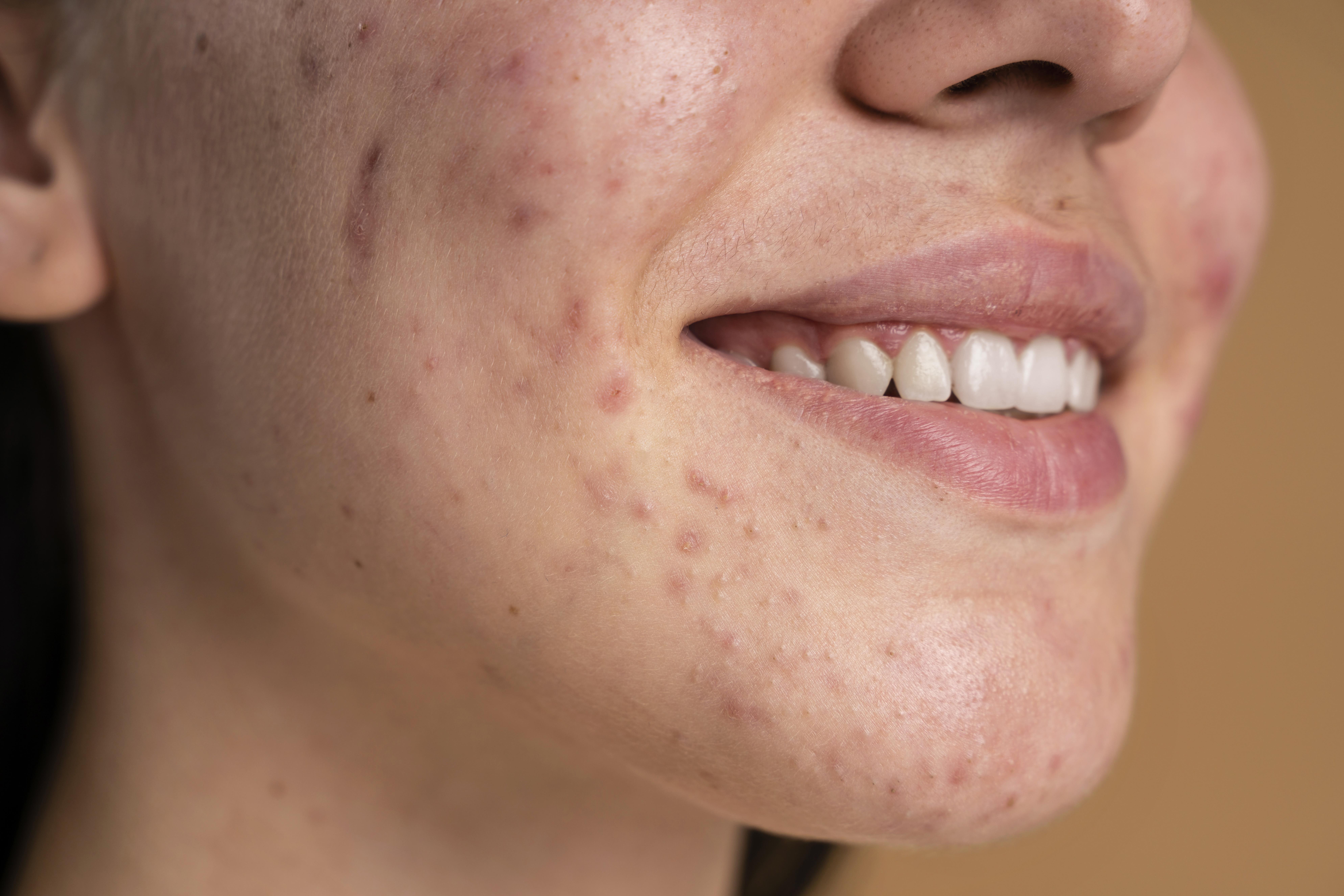
UV exposure can thicken the outer layer of skin and aggravate clogged pores. In deeper skin tones, acne frequently leads to PIH, which becomes darker with sun exposure. Sunscreen helps minimize both acne complications and the dark marks that follow. Mist sunscreens may be preferred for those who dislike thicker textures.
AtopicDermatitis (Eczema)
People with eczema naturally have a weaker skin barrier. Once flare-ups are controlled, sunscreen helps reduce UV-related irritation and sensitivity. Benzophenone filters may trigger allergies in this group, making mineral sunscreens with zinc oxide or titanium dioxide a safer option.
Psoriasis
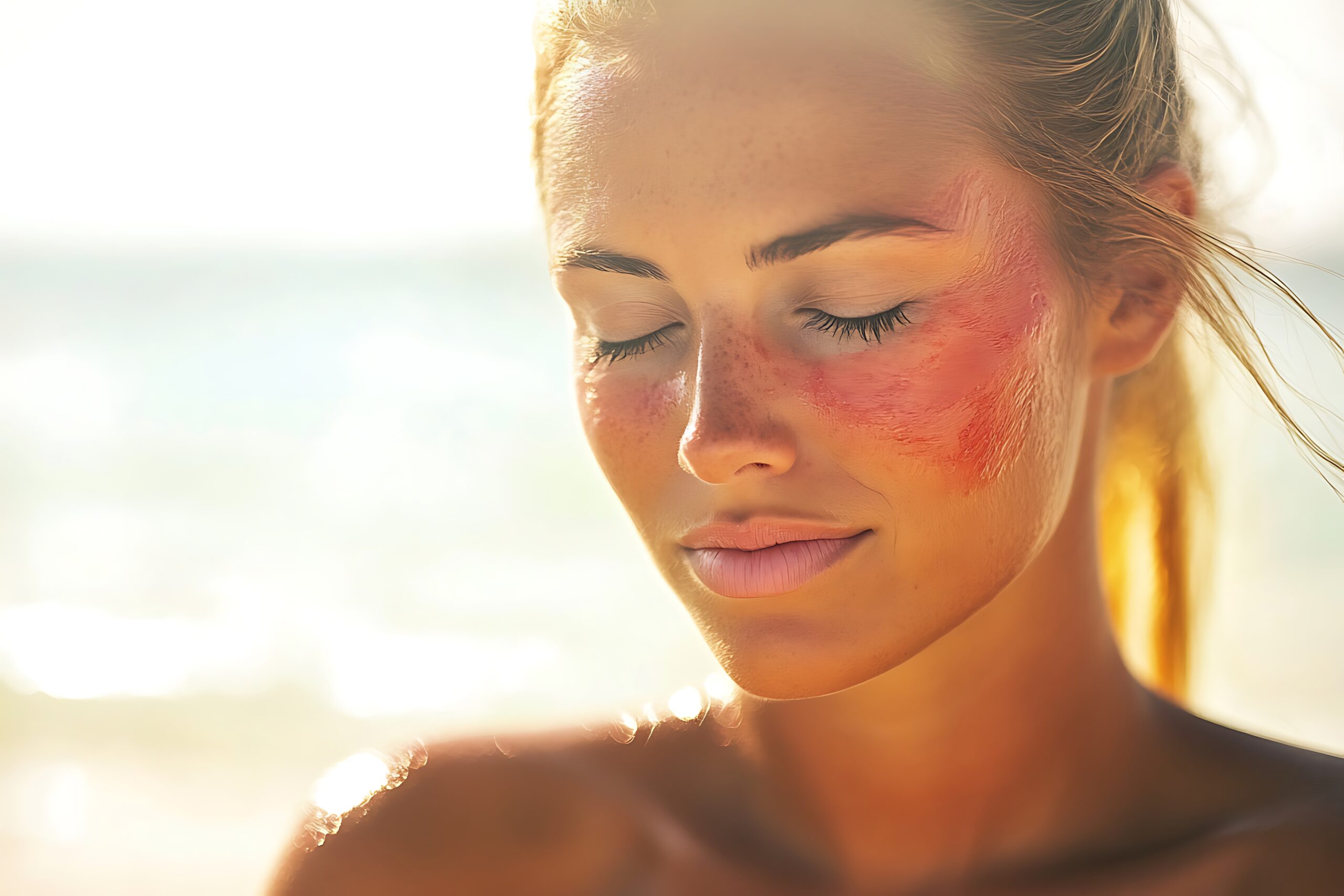
Some individuals experience psoriasis flare-ups when the skin is injured by sunburn, a reaction known as Koebnerization. SPF 50+ formulas with strong UVA protection help prevent new lesions in photo-aggravated psoriasis.
Final Thoughts
Photoprotection is not just a preventive step—it is a core part of managing pigmentary and inflammatory skin conditions. From melasma to rosacea, PIH to psoriasis, daily sunscreen use reduces flare-ups, prevents worsening, and supports overall skin health. Choosing a formula with broad-spectrum coverage, and in many cases visible light protection, makes a measurable difference in how these conditions behave over time
