

How to apply facial serum correctly for glowing skin. Discover 7 expert tips, proper steps, and common mistakes to boost absorption and get the best results from your serum.
Facial serums have become a game-changer in modern skincare, but their benefits depend largely on how you apply them. These lightweight, water-based formulations are packed with concentrated actives like niacinamide, hyaluronic acid, and vitamin C, designed to penetrate deeper than traditional creams. However, the technique and timing of application can make all the difference.
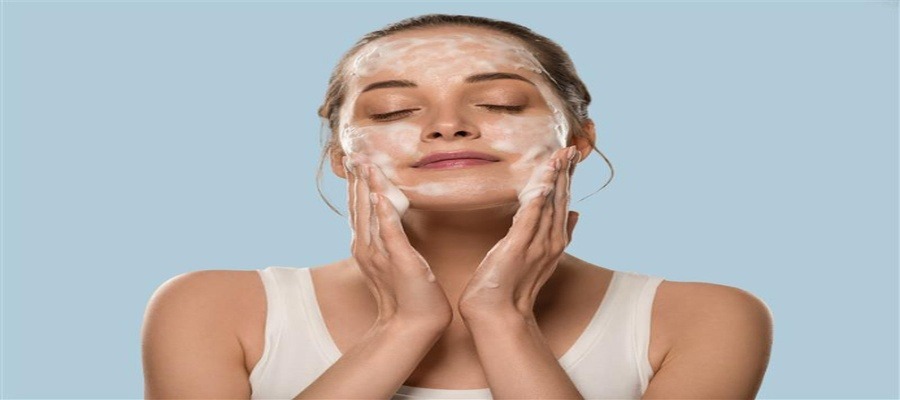
Start with a Clean Canvas
Before applying serum, cleanse and exfoliate your face. This removes dirt, excess oil, and dead skin cells that can block absorption. A clean surface allows the serum’s active ingredients to penetrate effectively, giving you visible results faster.
Apply on Damp Skin

Here’s a pro tip: serums work best when applied to slightly damp skin. After cleansing, gently pat your face semi-dry. Damp skin is more permeable, which means better absorption of those concentrated actives. This simple tweak can make a big difference in your skincare routine.
Use the Right Amount
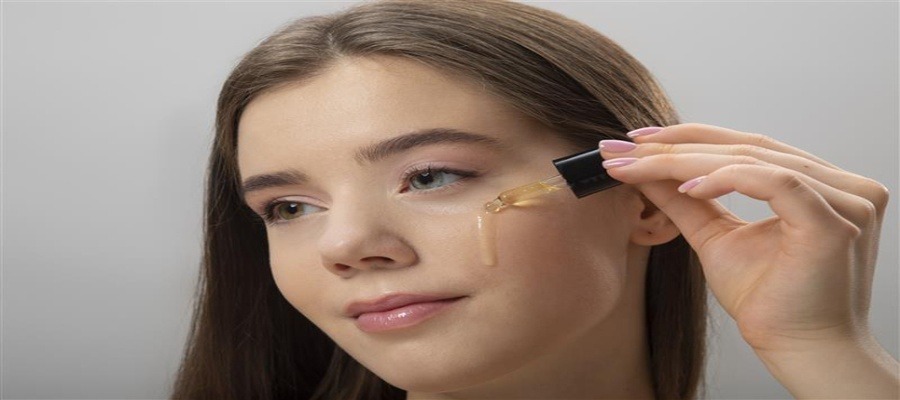
When it comes to serums, less is more. A pea-sized amount or a few drops are enough for your entire face. Over-applying won’t give better results—it may just waste product. Use a dropper or your fingertips to dispense the serum.
Gentle Application Technique: Tap, Don’t Rub
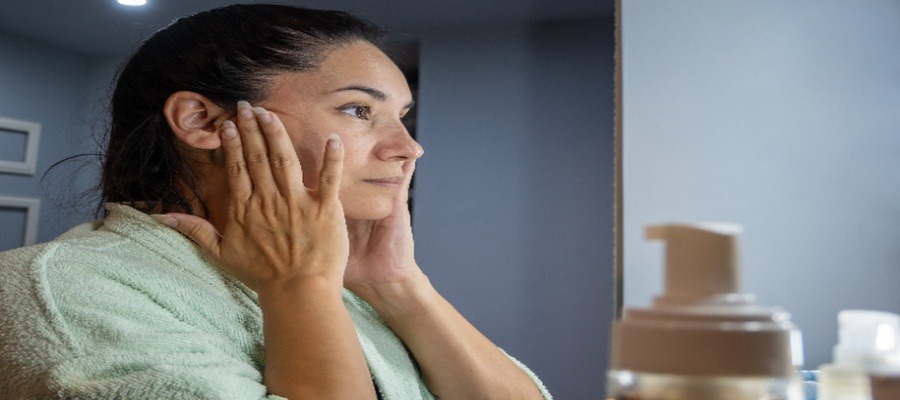
Unlike thick creams that require massaging, serums should be applied using light tapping motions with your fingertips or palms. You can also use gentle circular strokes to spread the product evenly. Avoid rubbing aggressively—let the serum absorb naturally.
Avoid the Eye Area

The skin around your eyes is delicate and prone to irritation. Unless your serum is specifically formulated for under-eye use, keep it away from this area. Instead, use a dedicated eye cream after your serum has absorbed.
Allow Time for Absorption
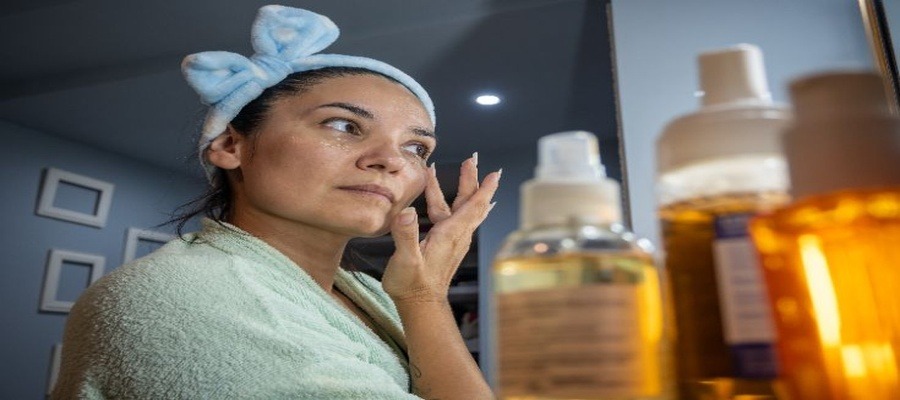
Patience pays off! Give your serum at least five minutes to sink into the skin before layering moisturizer or sunscreen. This ensures the active ingredients work effectively without being diluted by other products.
Storage and Shelf Life
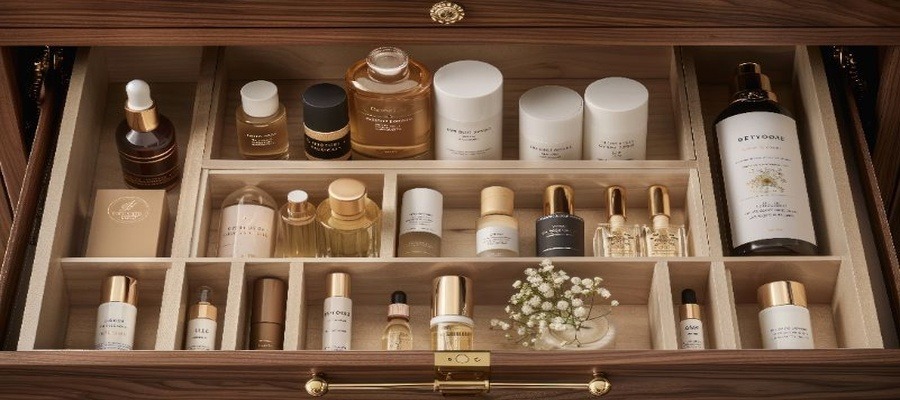
Serums are sensitive to light and heat, which can break down their potency. Store them in a cool, dark place like a cabinet or drawer. Also, use your serum within six months of opening for maximum effectiveness. After that, ingredients start to degrade.
Replace Regularly
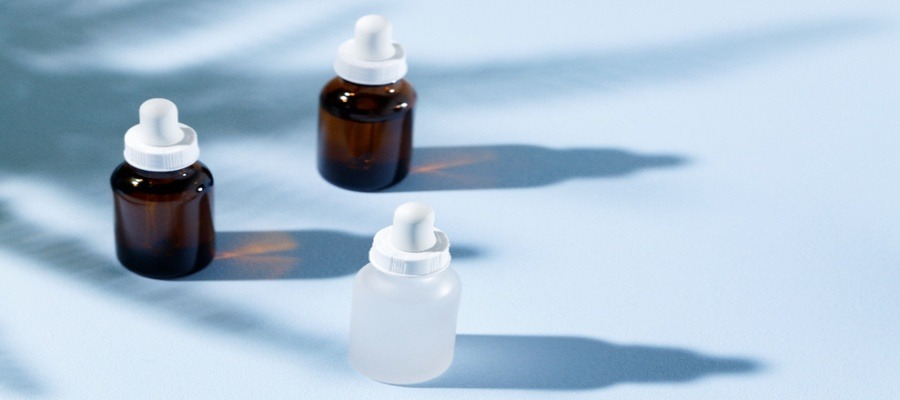
Even if stored properly, serums have a limited shelf life. Replace them every 3–4 months to ensure you’re getting the best results. Expired products can lose efficacy and may even irritate your skin.
When to Start Using Serums

The ideal age to introduce serums into your routine is late 20s to early 30s—when the first signs of ageing appear. From hydration to anti-aging, serums can be your secret weapon for healthy, glowing skin well into your 50s.
Bottom Line
Applying serum correctly is just as important as choosing the right one. Follow these steps consistently, and you’ll notice smoother, brighter, and healthier skin in no time.
