


Learn how to repair your skin barrier with science-backed tips. Discover causes, symptoms, and the best skincare routine for healthy, resilient skin.
If your skin has been feeling dry, irritated, sensitive, or suddenly reactive to products you’ve always used, there’s a good chance your skin barrier needs attention. Today, more people than ever are struggling with redness, breakouts, stinging sensations, and flaky patches — and the root cause is often the same: a weakened skin barrier.
But with so many products claiming to “repair the barrier,” how do you know what actually works? Let’s break it down in simple, science-backed terms.
What Exactly is the Skin Barrier?
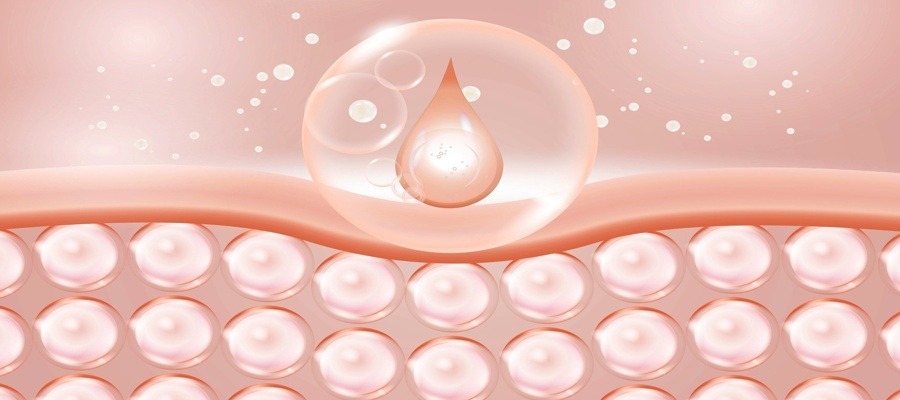
Think of your skin barrier as a protective shield. Its outermost layer, the stratum corneum, acts like a wall made of skin cells and lipids that lock moisture in and keep irritants out. Underneath, layers like the epidermis and dermis offer structure, support, and repair. When this barrier is healthy, your skin feels soft, smooth, and resilient. But when damaged, everything from pollution to skincare products can trigger irritation.
How Your Skin Barrier Gets Damaged
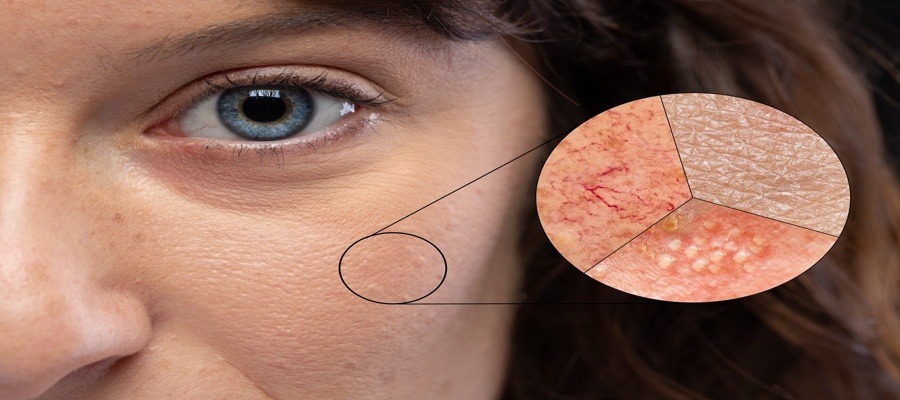
Modern lifestyle habits are some of the biggest culprits. Research shows that harsh cleansing, over-exfoliating, weather changes, and pollutants weaken the barrier by stripping away vital lipids and disrupting moisture balance. UV rays and climate change also play a major role by accelerating inflammation and breaking down protective structures in the skin.
When the barrier is compromised, you might notice symptoms such as sudden dryness, increased oiliness, redness or a burning sensation, breakouts, and a tight or rough texture. These signs aren’t random—they’re clear signals that your skin barrier needs help.
What Actually Works to Repair the Skin Barrier?
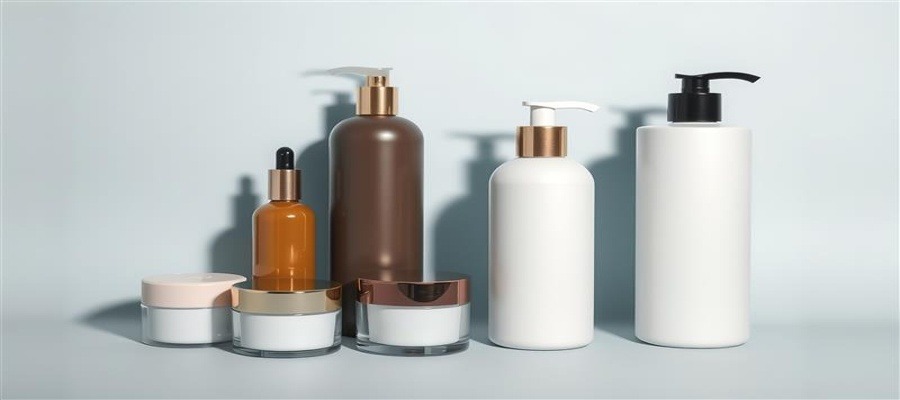
Not everything marketed as “barrier-repairing” is effective. But there are several proven approaches that truly support skin recovery.
- Gentle, Non-Stripping Cleansing
Harsh scrubs and foaming cleansers disrupt skin lipids. Switching to a mild cleanser protects the essential oils your barrier needs to stay strong.
- Deep Hydration with the Right Ingredients
Moisture is the foundation of barrier repair. Hydrating ingredients restore softness, prevent water loss, and help skin rebuild naturally.
- Strengthening With Nourishing Lipids
Products containing supportive lipids replenish what your barrier loses due to stress, weather, or over-treatment.
- Consistent Sun Protection
UV exposure breaks down collagen and increases inflammation — two major factors that weaken the barrier. Daily SPF is non-negotiable for maintaining long-term skin health.
- Supporting the Skin from Within
Lifestyle choices matter. A diet with antioxidants, healthy fats, and vitamins improves skin function, while sleep and stress management reduce inflammation and sensitivity.
Everyday Habits That Make the Biggest Difference
Small steps can dramatically improve your skin over time. Avoid overusing exfoliants, as this can strip away natural oils and cause irritation. Keep your routine simple and gentle instead of layering too many products. Make sure to moisturize twice daily to maintain hydration and strengthen the skin barrier. Reducing exposure to pollution whenever possible and staying hydrated throughout the day also play a big role in skin health. Finally, use products consistently rather than switching often—skin thrives on routine, not extremes.
Final Thoughts
A healthy skin barrier is the foundation of glowing, resilient skin. Instead of chasing quick fixes or harsh treatments, focus on gentle care, hydration, sun protection, and supportive habits. Your barrier can repair itself — it just needs the right environment.
When you treat your barrier with respect, everything changes: fewer breakouts, less irritation, smoother texture, and skin that finally feels balanced again.
