

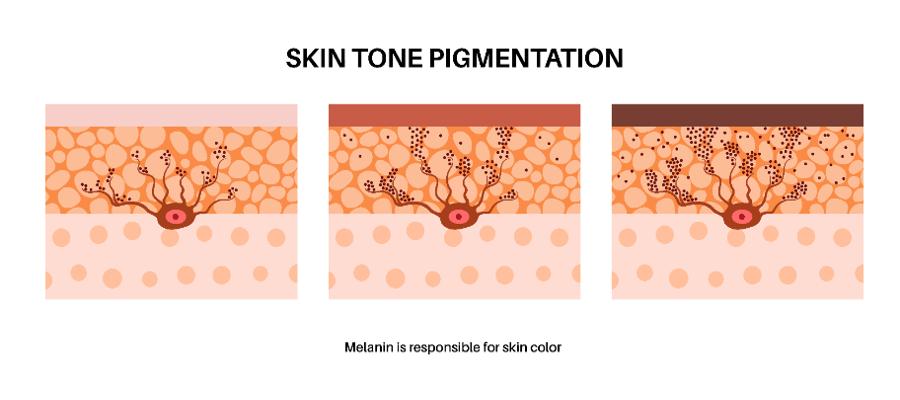
3 powerful hyperpigmentation treatment methods that target melanin production, reduce dark spots, and help achieve brighter, even-toned skin.
Hyperpigmentation is one of the most common skin concerns, and understanding how it happens is the first step to treating it effectively. Dark patches form when your skin produces excess melanin—the pigment responsible for color. But did you know there are three major ways experts target this process? Let’s explore the science behind these strategies and the ingredients that make them work.
Attenuating Tyrosinase Activity: Stop Pigment at Its Source
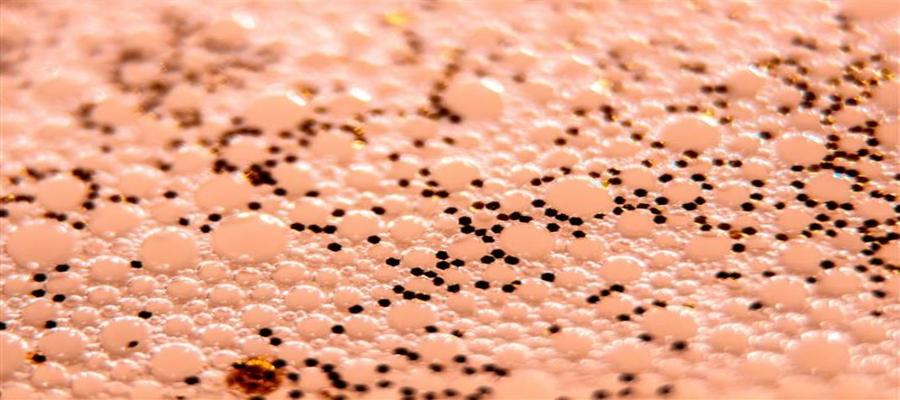
Melanin production begins with an enzyme called tyrosinase, which converts tyrosine into melanin inside pigment cells (melanocytes). When tyrosinase becomes overactive, it triggers excess melanin production, leading to visible dark patches. That’s why most treatments aim to slow down this enzyme.
Key Ingredients and Why They Work:
- Hydroquinone – The gold standard for decades, hydroquinone directly inhibits tyrosinase and reduces melanin formation. It’s highly effective but should be used under professional guidance due to potential irritation.
- Kojic Acid – A natural alternative derived from fungi, kojic acid works by chelating copper at the active site of tyrosinase, making it a popular choice for mild pigmentation.
- Azelaic Acid – Known for its gentle nature, azelaic acid not only inhibits tyrosinase but also has anti-inflammatory properties, making it ideal for acne-related pigmentation.
- Arbutin & Deoxyarbutin – Plant-derived and synthetic forms that release hydroquinone slowly, offering a safer and more stable option for long-term use.
- Mequinol – A derivative of hydroquinone, often used for stubborn pigmentation and age spots.
These ingredients don’t just lighten existing spots—they prevent new ones from forming by targeting the root cause of melanin production.
Interrupting Melanosome Transfer: Prevent Pigment Spread
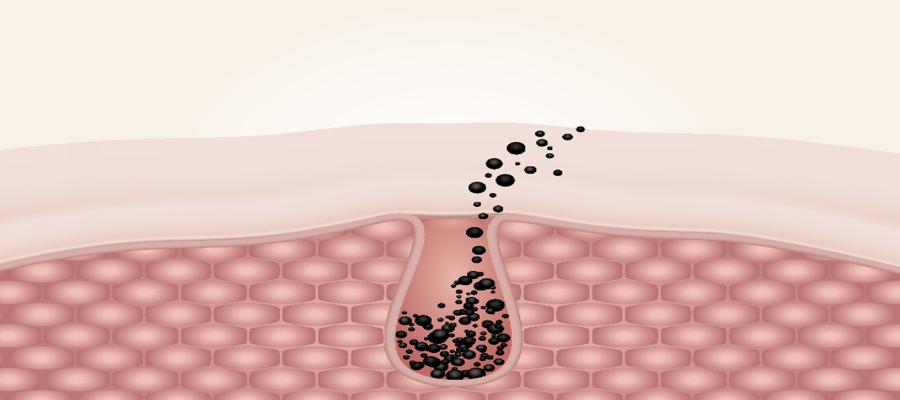
Even after melanin is made, it needs to travel from melanocytes to surrounding skin cells (keratinocytes). This transfer determines how visible pigmentation becomes. By blocking this hand-off, treatments can stop uneven tone before it appears.
Key Ingredients and Benefits:
- Niacinamide (Vitamin B3) – A multitasking powerhouse that reduces melanosome transfer, brightens skin, and strengthens the skin barrier.
- AR-2 Inhibitors – Advanced compounds that prevent keratinocytes from absorbing melanin, reducing overall pigmentation. Soy extracts, rich in natural PAR-2 inhibitors like soy isoflavones, also limit pigment uptake and offer antioxidant benefits.
- Lectins and Neoglycoproteins – These agents interfere with cell-to-cell recognition between melanocytes and keratinocytes, disrupting melanosome transfer and helping reduce pigmentation.
This approach is ideal for people who want a more even complexion without aggressive bleaching agents.
Accelerating Epidermal Turnover: Shed Pigment Faster

Pigment often lingers in the upper layers of skin. Speeding up cell renewal helps fade these marks more quickly. This method works by removing old, pigmented cells and stimulating fresh growth.
Key Ingredients and How They Help:
- Retinoids (Tretinoin, Adapalene) – Boost cell turnover, reduce pigment transfer, and improve overall skin texture.
- Alpha Hydroxy Acids (Glycolic, Lactic) – Chemical exfoliants that dissolve dead skin cells and promote renewal.
- Salicylic Acid – A beta hydroxy acid that penetrates deeper into pores, making it effective for acne-related pigmentation.
- Linoleic Acid – Helps disperse melanin and supports a healthy skin barrier.
When combined with sun protection, these ingredients make a noticeable difference in skin clarity and brightness.
The Bottom Line
Hyperpigmentation isn’t just about one cause—it’s a complex process involving melanin production, transfer, and retention. The most effective treatments target these steps using a combination of tyrosinase inhibitors, transfer blockers, and exfoliating agents. And remember: sunscreen is non-negotiable. Without it, even the best treatments won’t work.
