


Why melasma keeps coming back and discover 5 Proven Ways to prevent relapse, explore the role of sunscreen, heat, irritation, and gentle long-term skincare for stable pigmentation control.
Melasma improvement can feel rewarding, but many people notice that pigmentation eventually returns. This pattern is not a failure of treatment—it is simply part of melasma’s chronic nature. Even when patches fade, the underlying sensitivity in the skin remains active and can react to sunlight, heat, hormones or irritation. Melasma is better understood as a long-term condition that requires consistent maintenance, rather than a temporary spot that disappears forever.
Why Melasma Behaves Like a Chronic Condition

Melasma cells are primed to produce pigment more easily than normal skin. Factors like sunlight, visible light, heat exposure, inflammation, and hormonal shifts repeatedly stimulate pigment activity. When these triggers reappear, the skin remembers how to form pigmentation and dark patches slowly return. This explains why melasma may look clear for months, then re-emerge after vacation, stress, seasonal changes or irritation from incorrect products. The tendency to react is built into the skin, which is why relapse is common even after good results.
Sunlight and Heat: The Biggest Relapse Triggers

UV radiation and visible light are among the strongest triggers for melasma relapse. Even indirect daylight through windows or shade can stimulate pigment production. Heat from outdoor activity, cooing environments or hot weather increases inflammation in the skin and encourages pigment formation. Because melasma is so reactive, pigment can return quickly if sun protection becomes inconsistent or if the skin barrier is irritated. Strict sunscreen use—before and after any treatment—is one of the most reliable ways to reduce relapse.
Irritation and Inflammation Make Relapse More Likely

Irritation from harsh exfoliants, over-cleansing, waxing, chemical burns or the wrong skincare ingredients increases the risk of melasma coming back. When the skin becomes inflamed, pigment cells become more active and produce melanin faster. Even if treatment has worked for months, irritation can undo progress and trigger fresh discoloration. Gentle routines, barrier support, and avoiding unnecessary friction or scrubbing help keep melasma calmer and less reactive over time.
Why Maintenance Is Essential
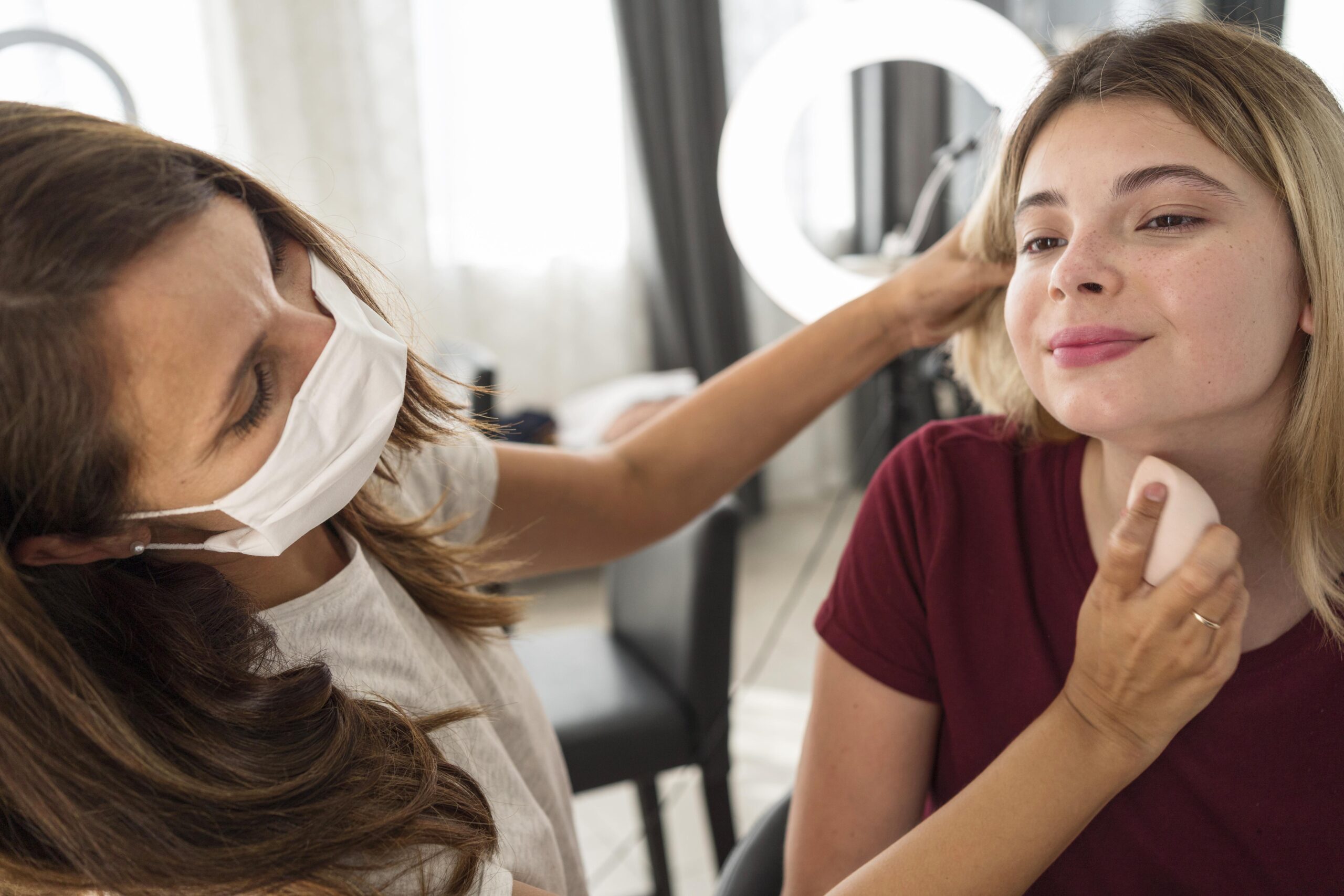
The biggest misconception about melasma is believing that once the skin looks clear, treatment can stop. Because the skin remains sensitive to triggers, maintenance is necessary to stabilize pigment activity. This includes sunscreen, gentle topicals, antioxidants and pigment-balancing ingredients used consistently at low strength. Maintenance is not a “bonus step”—it is the key to keeping results stable. Without maintenance, pigment returns gradually and becomes harder to control.
Best Long-Term Prevention Strategy

Melasma relapse prevention is most dependable when the routine focuses on calmness, consistency and environmental protection. Sunscreen is the anchor, especially tinted formulas that block visible light. A gentle antioxidant or brightening serum during the day helps support pigment control, while mild nighttime products keep the skin turnover steady without irritation. Hydration, barrier care, and avoiding friction or heat exposure make the skin less reactive. These calm long-term habits are more effective than aggressive treatments that offer temporary improvement but increase sensitivity later.
Final Takeaway
Melasma does not disappear permanently, even after successful treatment. Relapse is predictable because the skin remains sensitive to sunlight, heat, irritation and hormones. The most realistic way to prevent recurrence is steady daily sunscreen, gentle maintenance and low-irritation products that keep pigment activity controlled. Calm, consistent care offers the best protection against melasma returning, making results more stable and long-lasting
