

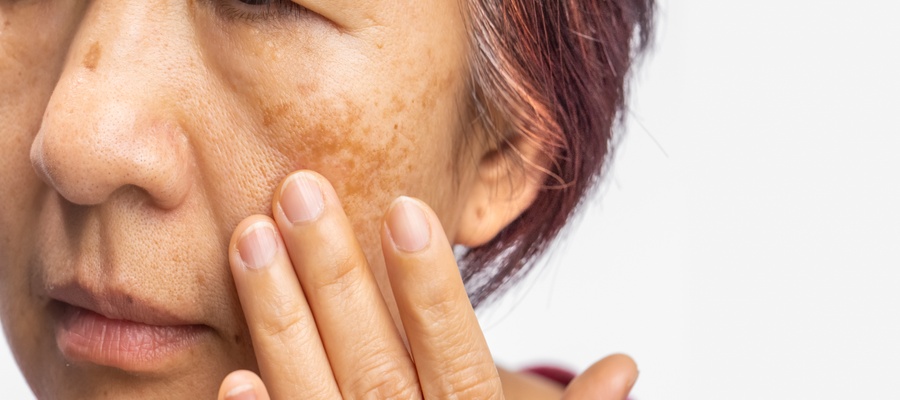
4 powerful facts about cellular senescence, aging skin, and age spots. Learn how internal skin aging, oxidative stress, and senescent cells contribute to pigmentation and uneven skin tone over time.
What Is Cellular Senescence and Why It Matters
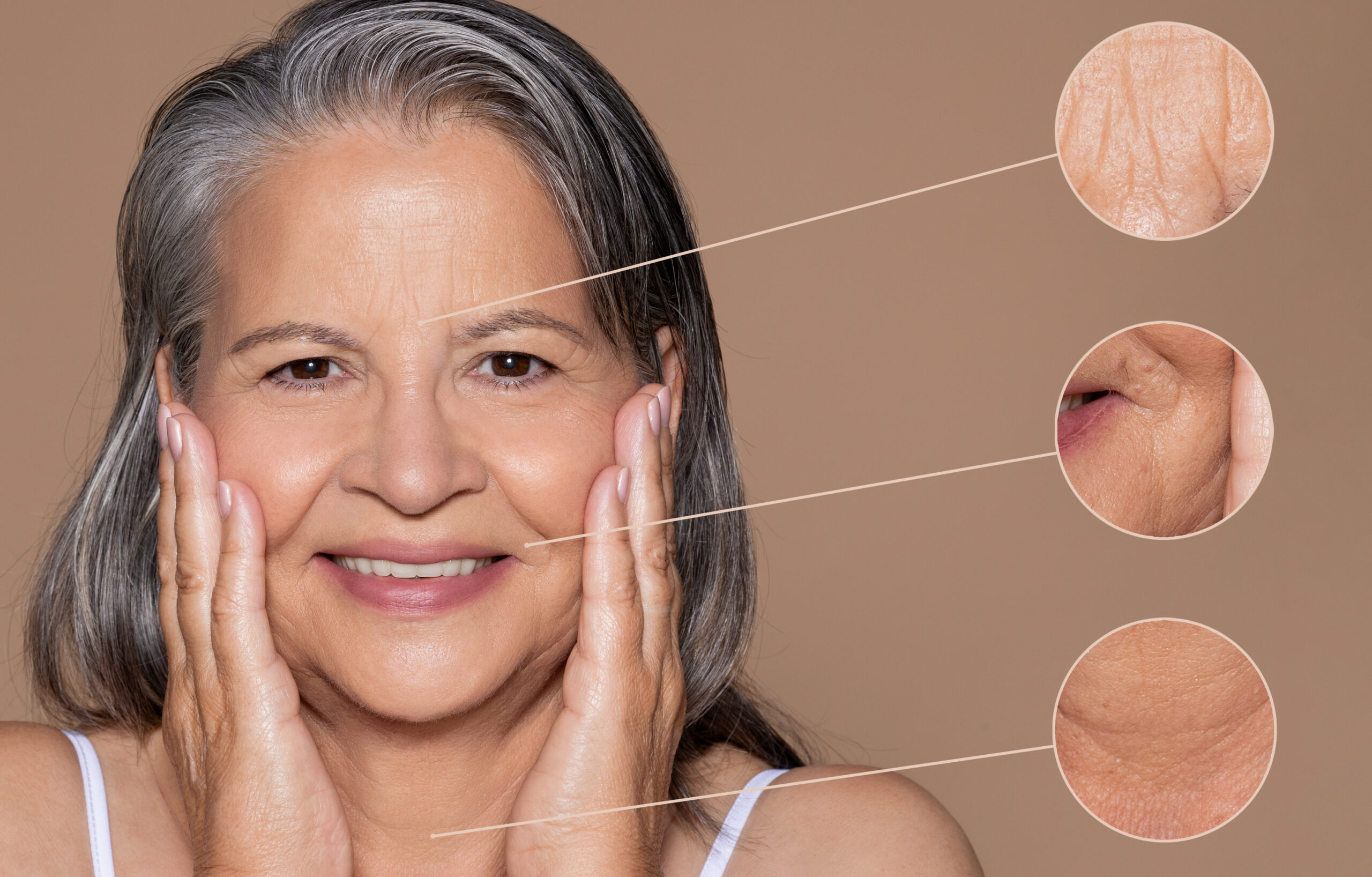
Most of us think dark spots, age patches, or uneven tone appear mainly because of sunlight or hormonal changes. While these are true triggers, research shows a deeper explanation. As skin ages, many cells stop dividing and enter a state called cellular senescence. This is common in important skin cells such as fibroblasts and melanocytes.
Senescent cells do not simply stay inactive. They accumulate over time, release stress-related signals, and disrupt the normal skin environment. These internal changes can affect pigment behavior and gradually contribute to age spots and uneven tone, even without recent sun exposure. That means pigmentation later in life is not always a direct sign of sun damage, but also of how old the skin cells have become.
Intrinsic Aging and Pigmentation: More Than Sun Damage
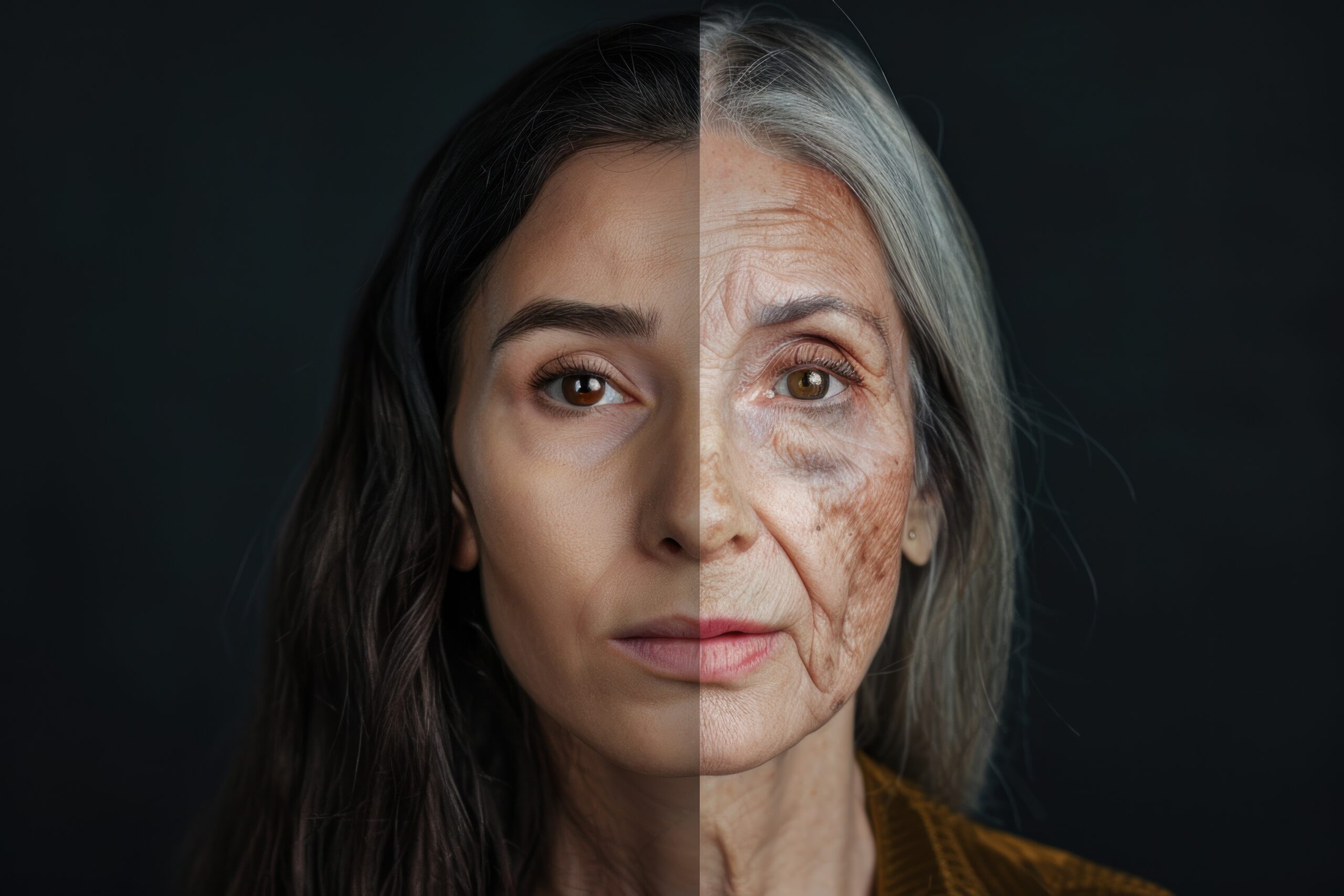
It is easy to assume that all pigmentation results from sunlight, tanning, or lifestyle mistakes. However, intrinsic aging—the natural process of skin cells becoming older—also plays a significant role. As we age, senescent fibroblasts and melanocytes accumulate and begin functioning differently from youthful cells. Their internal structures change, waste products build up, and their ability to regulate pigment steadily declines.
Because of these internal changes, age spots or mottled patches can develop even in people who consistently protect themselves from sun exposure. In simple terms, the skin’s internal biological clock can influence pigmentation independently of UV radiation.
What This Means for Skincare

Sunscreen remains essential for daily protection because UV light still accelerates pigmentation and weakens the skin’s natural structure. However, when pigmentation also reflects internal cell aging, surface-level UV defense may not be enough.
Supporting skin health from within becomes important. Antioxidant-rich skincare helps reduce oxidative stress, which contributes to the aging of skin cells. Calming, barrier-supportive products help the skin remain resilient and reduce unnecessary inflammation. These choices help delay cellular aging before senescence becomes more widespread.
Hydration, nourishment, and gentle exfoliation also support overall repair and help skin retain a smoother, more even appearance over time. While sunscreen protects from external triggers, daily skincare helps reduce internal stress that leads to pigmentation.
Future Directions: Targeting Senescent Cells

Scientists are now exploring therapies that focus on senescent skin cells themselves. Compounds called senolytics and senomorphics are being studied to either remove aged cells or modify their secretions so they are less disruptive to the surrounding tissue.
These ideas are still developing, and more human research is needed before such treatments become widely available. For now, realistic pigmentation care still relies on consistent sunscreen, brightening serums, antioxidants, and calming skincare routines that reduce chronic inflammation.
The Takeaway
Dark spots and uneven tone are not always caused by recent sunlight or external irritation. They can also reflect internal cellular aging within the skin. Understanding senescence adds a new dimension to pigmentation care. Sunscreen remains important, but supporting cell health with antioxidants, barrier care, hydration, and consistent lifestyle habits helps the skin age more gracefully and maintain clearer tone over time.
