

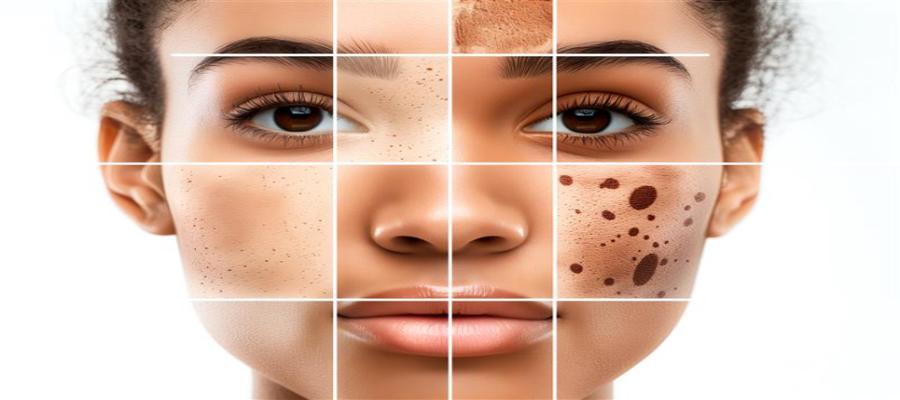
Discover the types of hyperpigmentation, how to identify each type, and the best treatments for clearer, even-toned skin.
Hyperpigmentation is one of the most frequent skin concerns, and while it is usually harmless, it can affect confidence and appearance. Understanding the different types of hyperpigmentation is the first step toward proper care and treatment. Discover the most common types of hyperpigmentation and how to identify them.
What is Hyperpigmentation?
Hyperpigmentation occurs when certain areas of the skin become darker than the surrounding skin due to excess melanin—the pigment that gives skin its colour. This condition can appear as spots, patches, or widespread discoloration. Although it is generally benign, some forms may require medical evaluation to rule out serious conditions.
Postinflammatory Hyperpigmentation
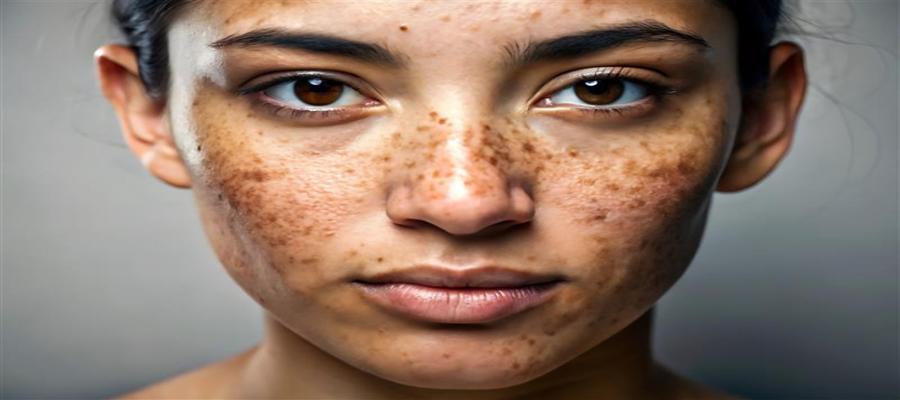
Postinflammatory hyperpigmentation (PIH) is one of the most common types, especially in people with darker skin tones. It usually appears after skin inflammation or injury, such as acne, eczema, or even cosmetic procedures like laser treatments.
PIH looks like irregular dark patches at the site of previous irritation. These marks can last for months or even years, and while they are not harmful, they can be distressing.
Treatment often involves topical creams like hydroquinone, retinoids, or chemical peels, but improvement is slow and requires patience.
Melasma
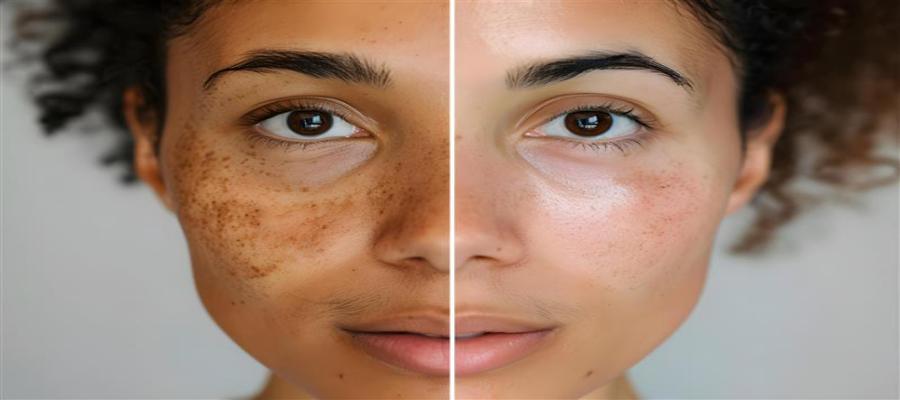
Melasma is another frequent cause of hyperpigmentation, often seen on sun-exposed areas like the face and forearms.
It appears as well-defined brown or greyish patches and is commonly linked to hormonal changes during pregnancy or from oral contraceptives. Melasma affects women far more than men and is more common in medium to dark skin types.
Sunscreen is essential to prevent worsening, and treatments include topical depigmenting agents, chemical peels, and sometimes laser therapy. However, melasma tends to recur, so ongoing care is important.
Solar Lentigines (Age Spots)

Solar lentigines, often called age spots or liver spots, are flat, well-defined dark patches that usually appear on areas exposed to the sun, such as the face, hands, and forearms. They range from light yellow to dark brown and are more common in lighter skin types.
These spots result from long-term sun exposure and are generally harmless, but any sudden changes in size or color should be checked by a doctor. Treatments include topical creams, chemical peels, cryotherapy, and laser therapy.
Ephelides (Freckles)
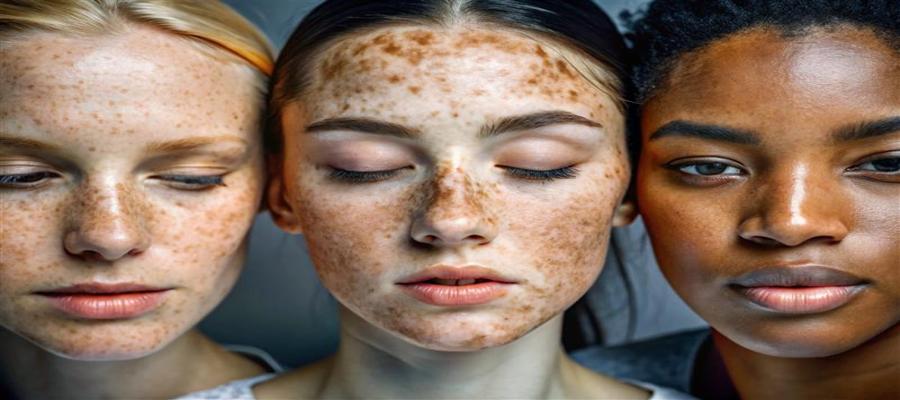
Freckles, or ephelides, are small, light brown spots that often appear on the face, arms, and chest. They are usually genetic and become more noticeable after sun exposure. Freckles are harmless and often fade during the winter months.
While treatment is not necessary, options like laser therapy or topical creams are available for cosmetic reasons.
Why Identifying Your Type Matters
Each type of hyperpigmentation develops for different reasons—injury, hormones, sun exposure, or natural skin variation. Knowing what you have helps you choose appropriate skincare, avoid triggers, and discuss the right options with a professional if needed. Accurate identification also prevents unnecessary treatments and supports a more confident, informed approach to caring for your skin.
