

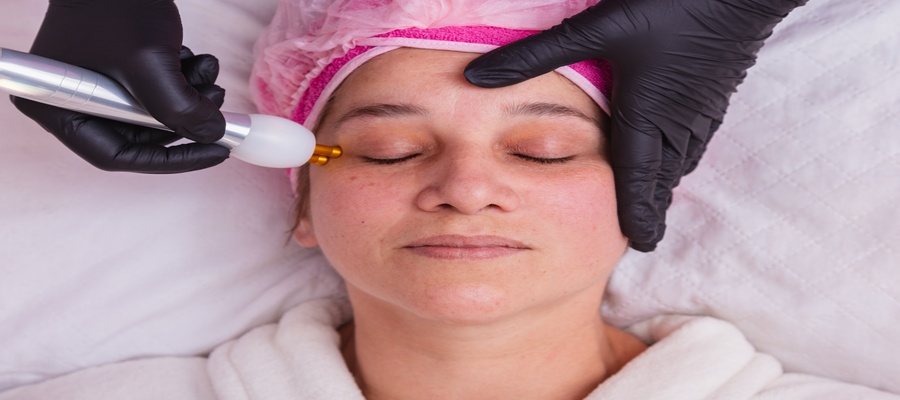
Lasers, chemical peels, and microneedling are safe for melasma. Learn how to reduce pigmentation, prevent rebound darkening, and support long-term results with sunscreen and gentle skincare.
Melasma is a long-term pigmentation condition that can be tricky to manage, especially when patches keep coming back. Topical serums and sunscreen remain the most important first-line treatments, but many people eventually explore procedures like chemical peels, microneedling or laser therapy for faster fading. These options can help when used thoughtfully, especially alongside gentle skincare and daily sun protection.
Why Daily Sun Protection Matters First
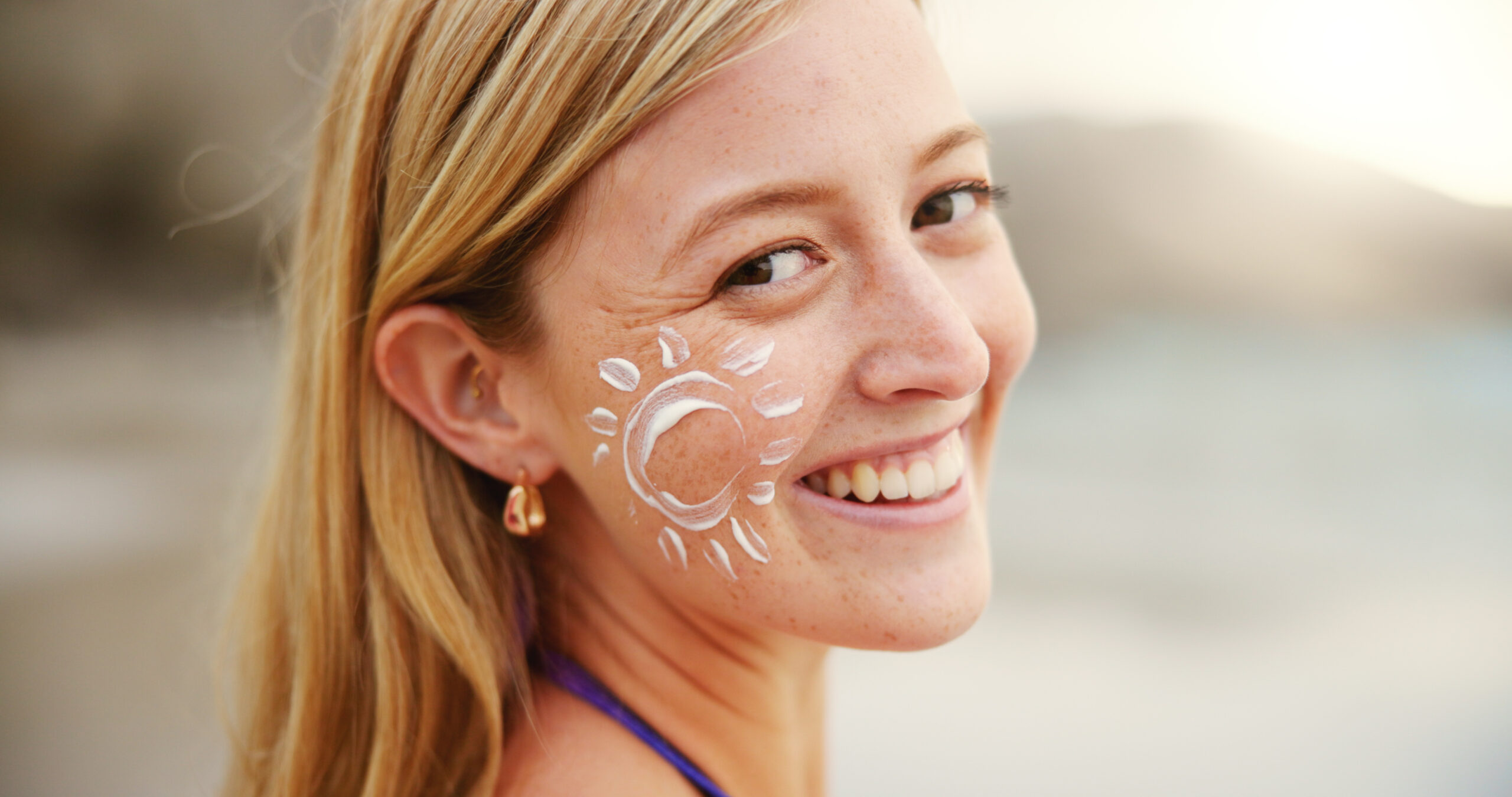
Before considering any procedure, daily sun protection is essential. Ultraviolet and visible light trigger pigment formation and darken existing patches, even during routine daylight exposure. A broad-spectrum tinted sunscreen helps reduce melasma severity, prevent relapse, and maintain improvements from any treatment.
Chemical Peels: Gradual and Supportive
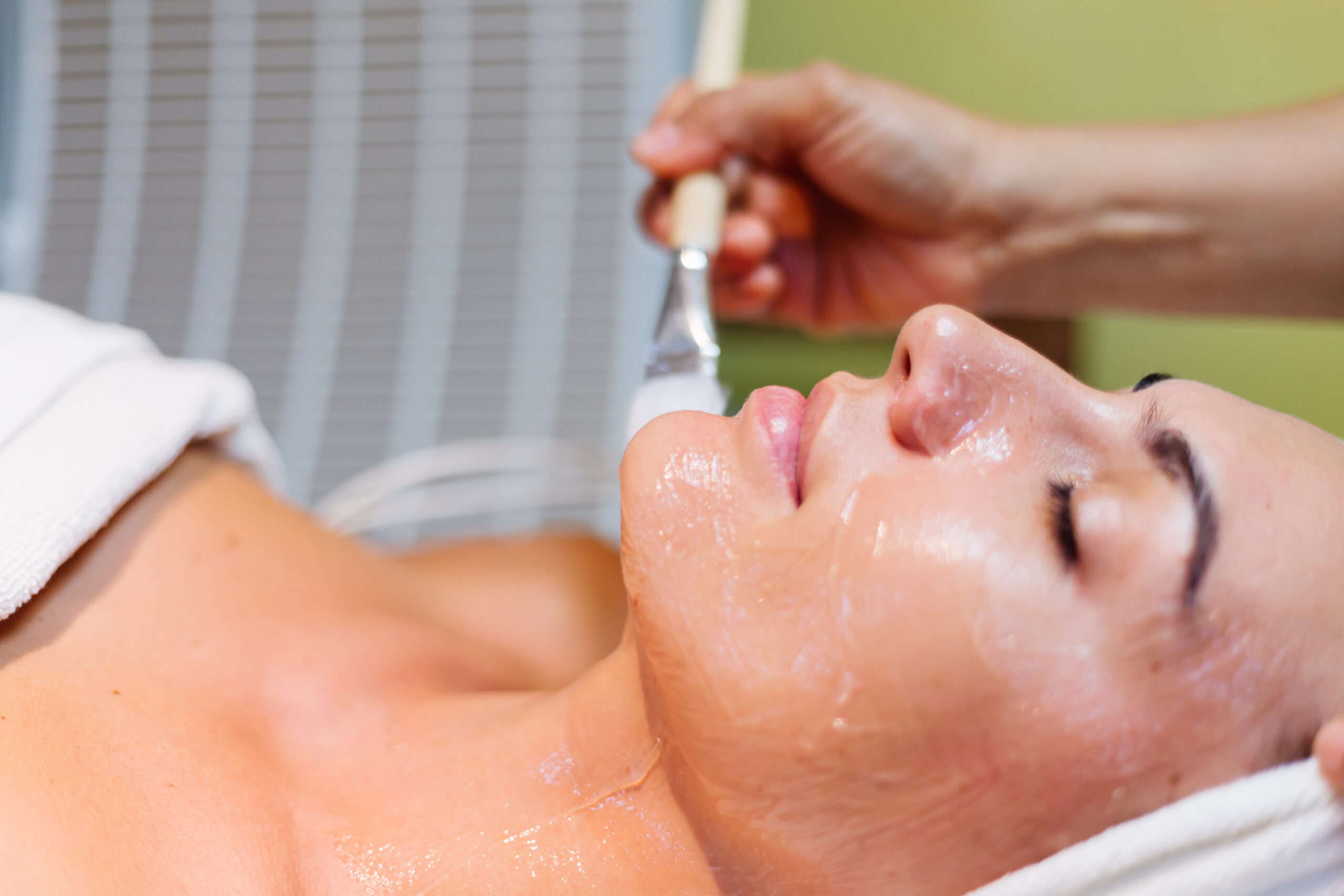
Chemical peels help melasma by gently increasing skin turnover and lifting surface pigment. The most comfortable and predictable approach is a series of superficial peels, which work gradually without aggressively damaging deeper layers. Peels using glycolic acid, lactic acid, salicylic acid, Jessner’s solution, or very mild trichloroacetic acid can be used to complement topical treatments and make results feel smoother and more even. Their goal is supportive—not instant or dramatic—and most people experience steady improvement rather than sudden change.
Microneedling: A Helpful Companion Treatment
Microneedling encourages skin renewal using tiny channels that support gradual pigment clearance. It works especially well when paired with sunscreen and gentle topical ingredients. The procedure is generally well tolerated and can offer visible improvement with minimal downtime. Microneedling is best viewed as a companion treatment rather than a replacement for topical therapy. The focus is on steady, comfortable fading rather than aggressive transformation.
Lasers: Reserved for Resistant Melasma
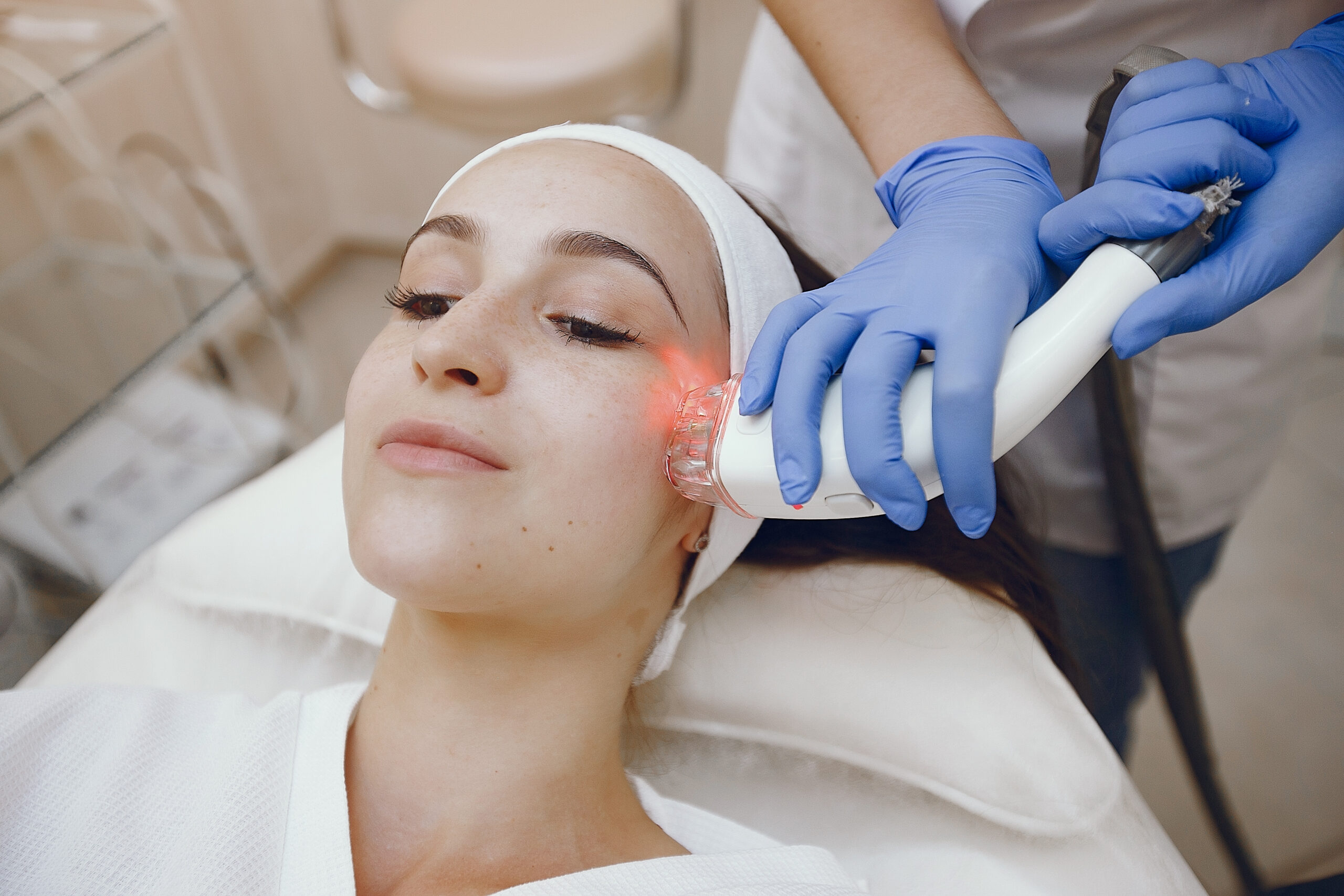
Lasers are often used when melasma does not improve with skincare alone. Low-fluence Q-switched Nd:YAG lasers are popular because they target pigment while minimizing heat. Other devices—such as picosecond or fractional lasers—may help certain cases, but laser work should always be cautious and supervised. Because melasma is highly reactive, lasers are not a shortcut or first-line option. They are reserved for resistant cases and should be combined with sunscreen and a gentle routine for best outcomes.
Post-Procedure Pigmentation Risk
Any procedure that increases irritation or heat can temporarily make melasma more reactive. When peels or lasers are too strong or used too frequently, post-inflammatory hyperpigmentation becomes more likely, especially in deeper skin tones. If sunscreen is inconsistent or the skin barrier becomes irritated, procedures can cause rebound darkening instead of improvement. For safest results, dermatologists prefer low-intensity laser settings, superficial peels, and microneedling schedules that support steady renewal rather than aggressive exfoliation. Daily sun protection after any procedure is the most important way to prevent pigmentation from returning.
Recurrence & Long-Term Maintenance
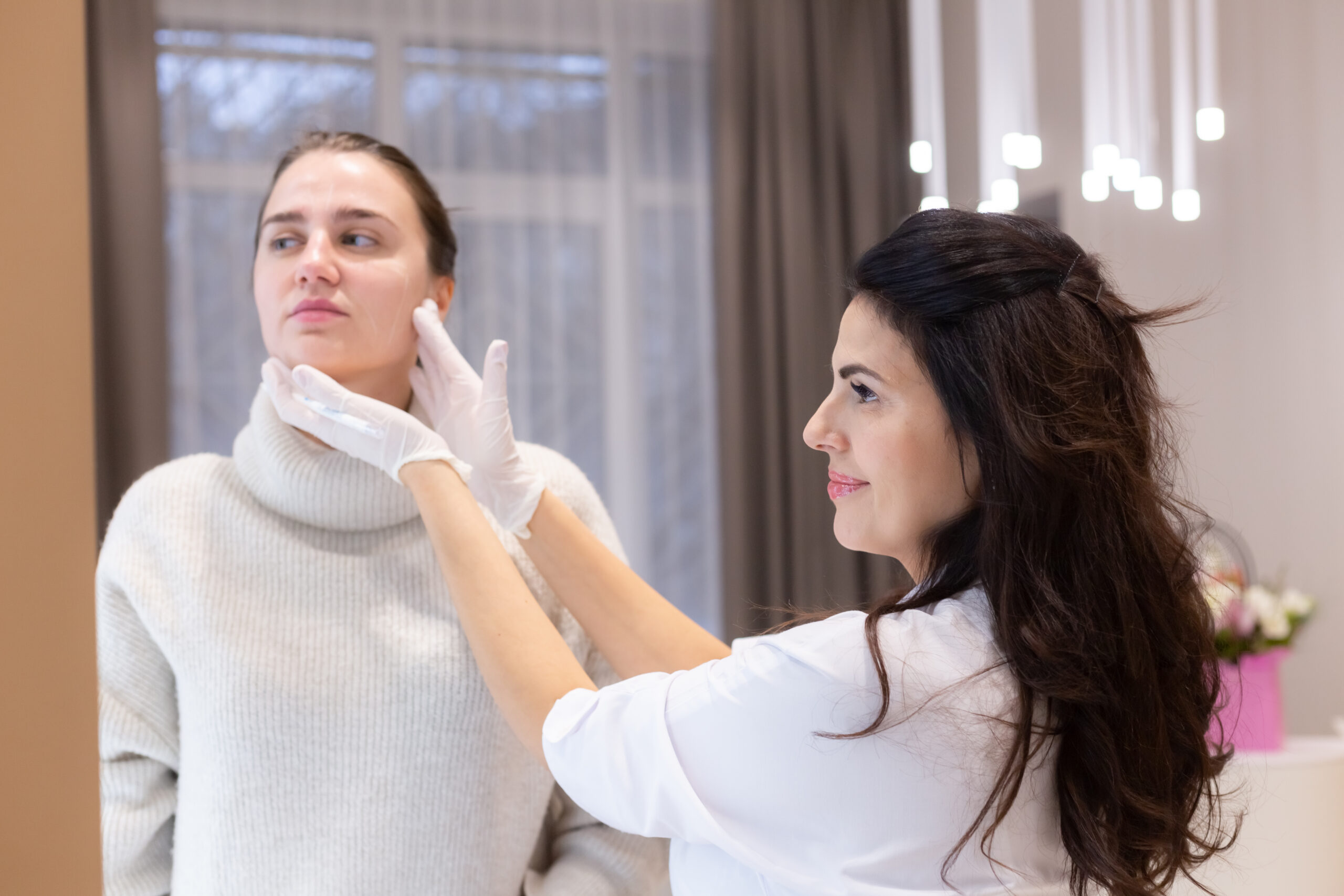
Even after successful improvement, melasma can come back. The underlying sensitivity in the skin remains and can react to sunlight, hormones, heat or irritation. This is why maintenance is a long-term priority, not just an afterthought. Gentle topical treatments, antioxidants, and consistent sunscreen help support results and reduce relapse. Melasma management is not about one dramatic intervention—it is about steady, calm care and well-planned maintenance.
Final Takeaway
Procedures such as peels, microneedling and lasers can support melasma improvement, but they are safest when used thoughtfully and paired with daily sun protection. Mild peels and microneedling are helpful support treatments, while lasers are best reserved for specific resistant cases. A simple, calming routine, careful timing and consistent sunscreen make procedural approaches far more predictable and comfortable.
