

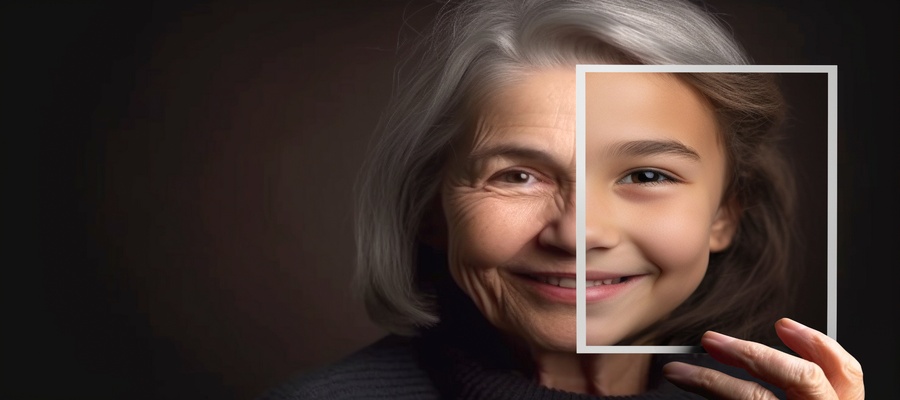
Photoaging and chronological aging and how each affects skin pigmentation, dark spots, and uneven tone. Learn how sunscreen, antioxidants, and barrier care support healthier aging skin.
Two Ways the Skin Ages

Uneven tone, age spots, and dark patches are often blamed only on sunlight, but skin pigmentation has two major influences: photoaging and chronological aging. Photoaging comes from long-term sun exposure and visible light, while chronological aging is the body’s natural internal aging process. Both can change how skin produces and distributes pigment, although they happen for different reasons.
Photoaging: Pigmentation Caused by Sun Exposure
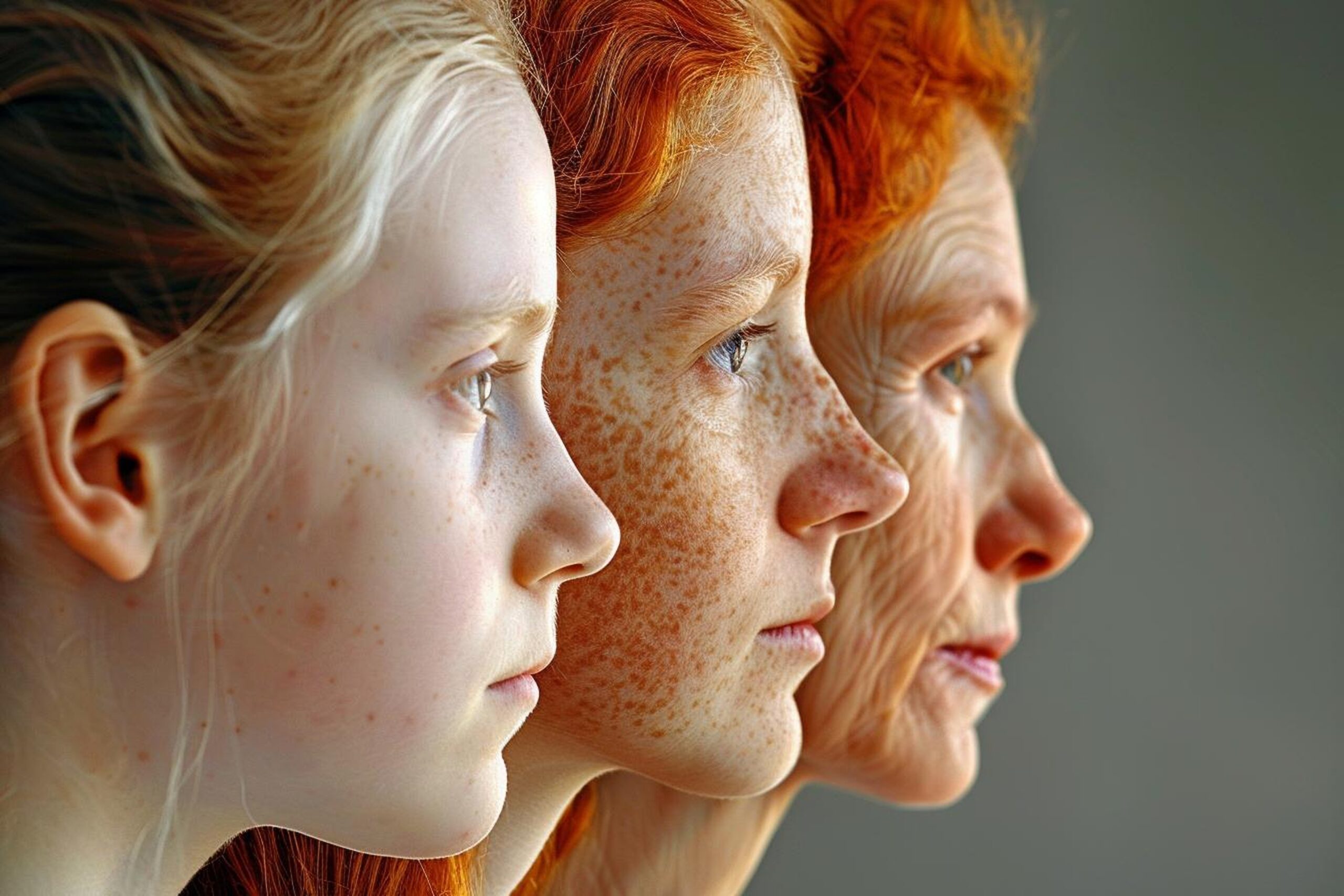
Photoaging develops when skin is repeatedly exposed to ultraviolet radiation and environmental stress without consistent protection. Melanocytes respond to UV by producing extra pigment as a defense mechanism, which gradually leads to sun spots, freckles, tanning irregularities, and uneven tone in frequently exposed areas.
Sunlight also weakens collagen and elastin and increases oxidative stress inside the skin. These structural changes make pigmentation more visible and harder to fade. Even small amounts of repeated sunlight accumulate and stimulate pigment production over the years. Regular sunscreen and visible-light protection are effective because they lower UV stress, help limit melanin stimulation, and protect the skin’s repair capacity.
Chronological Aging: Pigmentation from Internal Cellular Changes
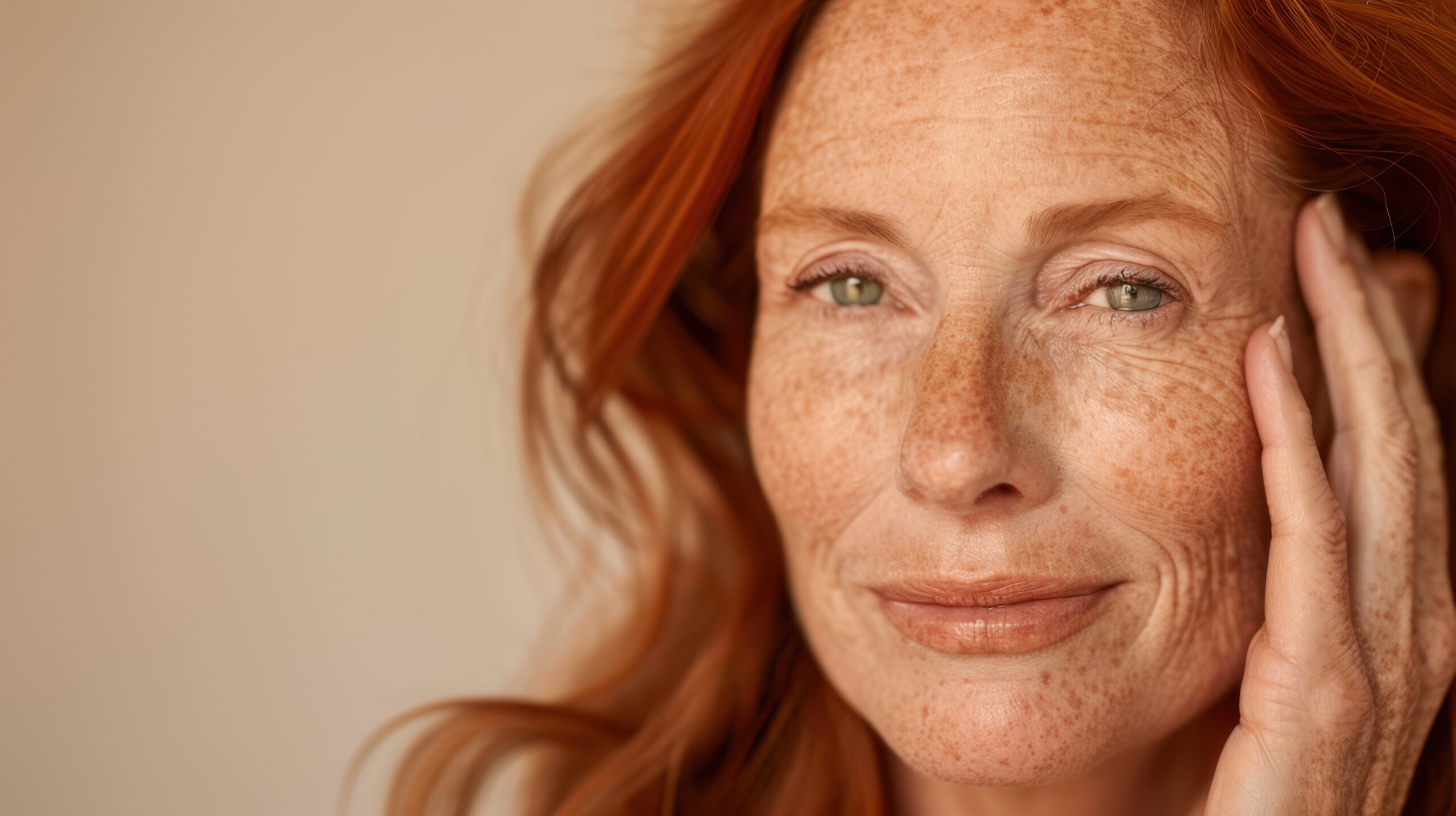
Chronological aging occurs regardless of the environment. As skin cells get older, many enter a state called cellular senescence. Senescent fibroblasts and melanocytes accumulate naturally with age and begin functioning differently from youthful cells. Their internal repair systems slow down, communication signals weaken, and pigment regulation becomes less controlled.
These cellular changes can gradually lead to uneven tone or age spots even in people who have protected their skin from sun exposure for many years. This means pigmentation later in life is not always a sign of recent sun damage. It can be a sign of how skin cells themselves have aged internally and lost their ability to manage pigment smoothly.
How Both Aging Types Work Together
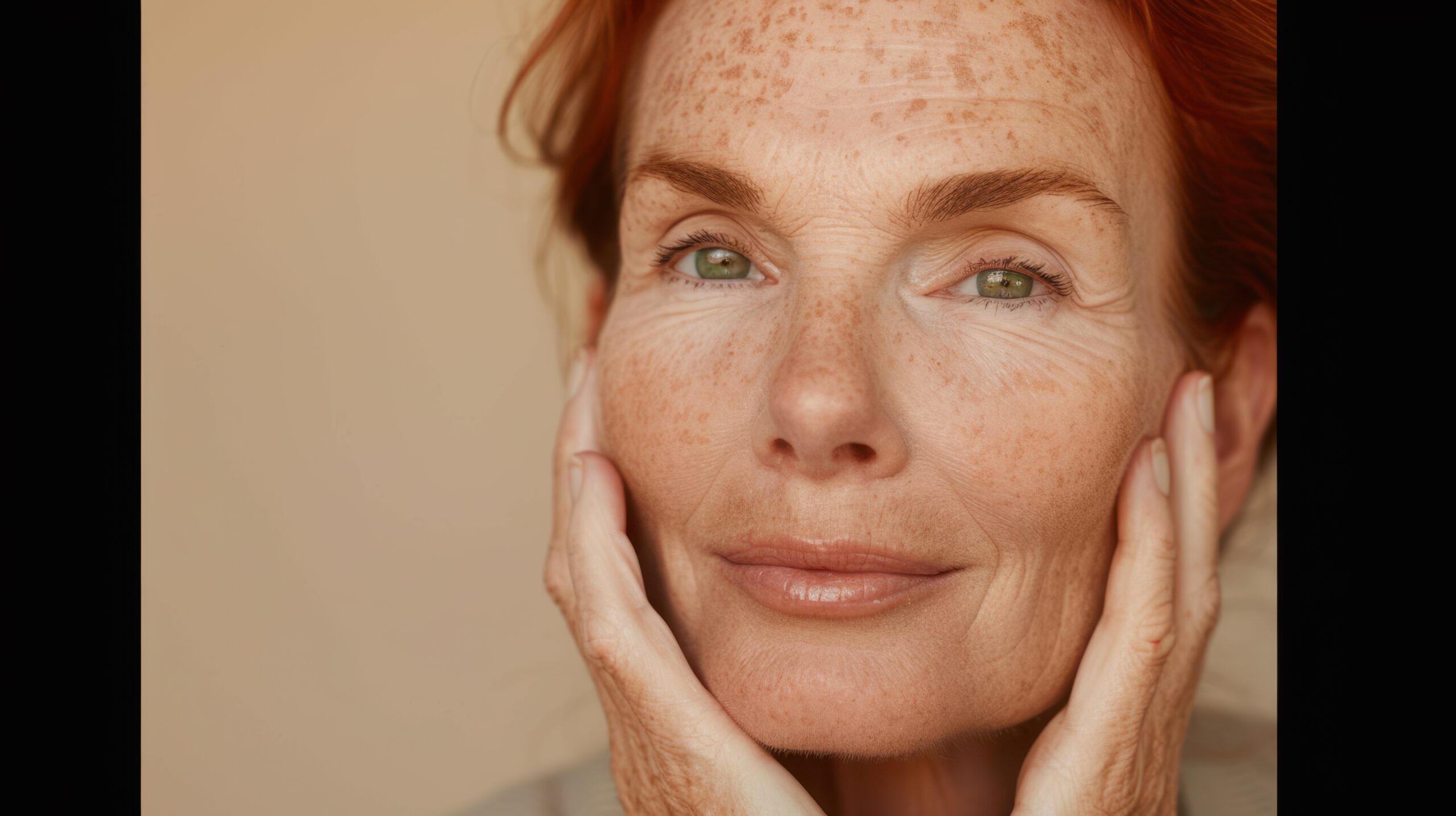
In real life, external and internal aging rarely happen alone. Sun exposure accelerates intrinsic aging, while older skin becomes more vulnerable to UV and inflammation. This overlap explains why pigmentation becomes more stubborn and slower to fade after the age of thirty or forty, even when brightening ingredients or exfoliants are used regularly.
What Skincare Should Focus On
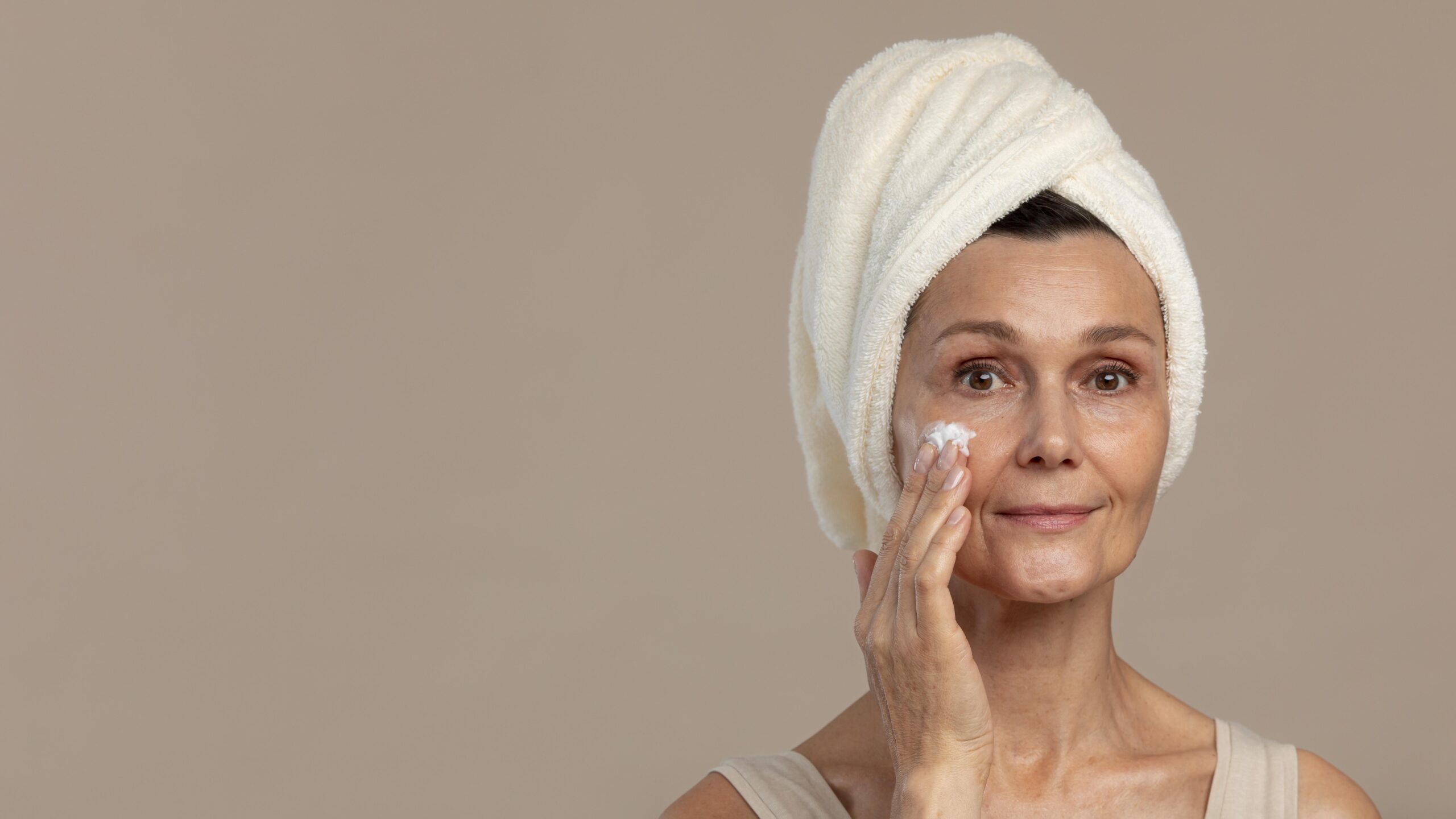
Managing pigmentation requires caring for both external and internal aging. Sunscreen remains essential for daily protection, but skincare that supports antioxidant defense, barrier strength, and reduced inflammation also matters because it helps skin age more evenly from within. When both forms of stress are reduced, pigmentation becomes easier to manage and less likely to worsen with time.
Final Takeaway
Photoaging reflects pigment changes caused by sunlight, while chronological aging reflects cellular aging inside the skin. Addressing only one of them may leave long-term results limited. The most reliable approach is a combination of consistent sun protection and skincare that supports healthier aging at the cellular level. This helps the skin maintain clearer tone and age more gracefully.
