

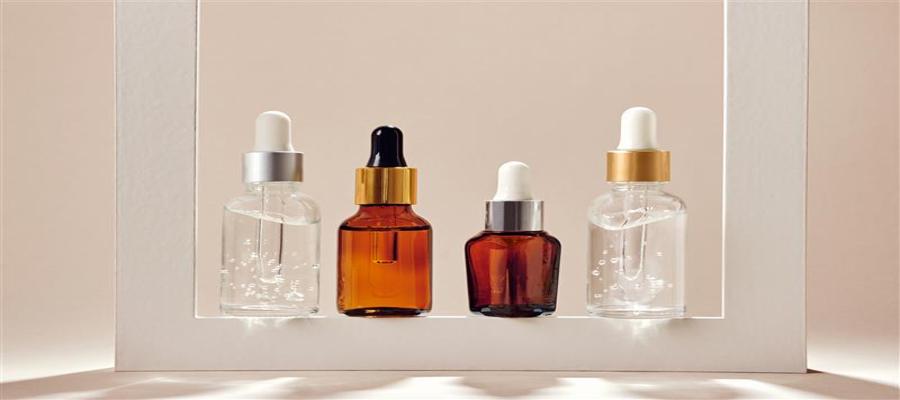
The science behind face serums and how active ingredients deliver visible skin benefits. Learn how serums penetrate, hydrate, and improve skin health effectively.
Face serums have gained popularity in modern skincare due to their precise design, lightweight feel, and targeted performance. Serums are created with high ingredient activity and minimal cosmetic fillers, making them effective for addressing dullness, dehydration, irritation, blemishes, and early aging. Their efficiency and clarity of formulation have made them an essential step in daily skincare and a trusted tool in dermatology and cosmetology.
Scientific Purpose of a Serum

A facial serum is a concentrated skincare formulation designed to deliver active ingredients comfortably and evenly. Its lightweight consistency provides smooth spreadability and a pleasant feel without stickiness. Herbal serums often include aloe vera, glycerin, vitamin E, and botanical oils, which work to hydrate, soothe, and improve overall skin comfort and radiance.
Because serums avoid unnecessary additives, they offer cleaner ingredient delivery and higher biological value, making them more performance-focused than many cosmetic products.
Why Serums Are Important in Cosmetology

Each skincare ingredient serves a defined scientific function—hydration, brightening, soothing, or protection. Aloe vera provides anti-inflammatory and antibacterial action, calming redness and supporting healing, while vitamin E offers antioxidant and barrier-repair benefits. Glycerin improves moisture retention, leaving skin smoother and more resilient. These effects explain why serums are valued for everyday routines and professional use.
Daily Repair Through Active Botanicals

Skin encounters daily exposure to sun, pollution, microbes, and environmental irritants. Serums help counter these effects through antioxidant, antibacterial, and soothing properties. Herbal actives like aloe vera, sandalwood oil, olive oil, rose water, and coconut oil support natural repair, reduce irritation, and reinforce the skin barrier. These ingredients are selected for measurable biological impact rather than cosmetic fragrance.
The Role of Purity, pH, and Texture
A high-quality serum is evaluated for pH balance, homogeneity, clarity, stability, and microbial purity. Serums with a pH between 4.1 and 6.7 are considered comfortable for daily use and compatible with the skin’s natural acidity. Smooth texture and stable appearance are also indicators of product integrity.
Viscosity must be balanced—too thin and it disperses quickly, too thick and it feels heavy. Ideal viscosity ensures comfortable absorption and a silky finish, making the serum enjoyable to use.
Dermatology Perspective

Dermatologists value serums for measurable yet gentle results, especially in concerns like irritation, dehydration, redness, or dullness. Their targeted design allows consistent performance without unnecessary heaviness, making them suitable for everyday skincare and sensitive skin needs.
Conclusion
Serums combine active botanical ingredients, skin compatibility, purity, and consistent performance, offering a modern scientific method to maintain comfort, radiance, and overall skin health. Their precision and safety make them a trusted step in daily skincare and a vital part of cosmetology.
