

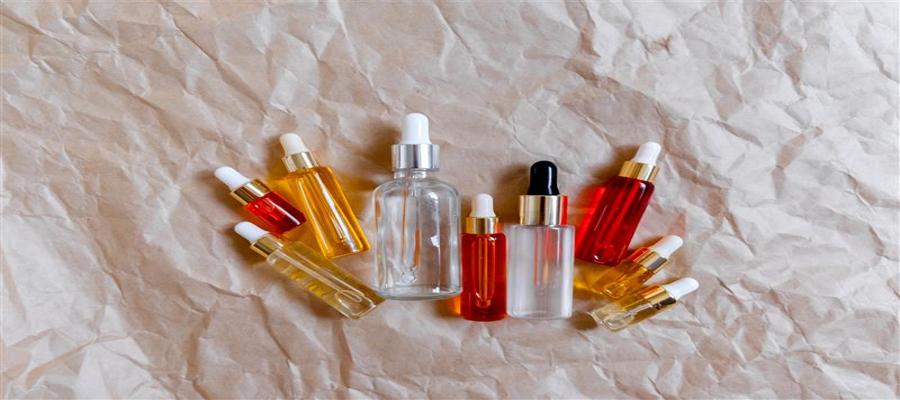
Types of face serums and find which one suits your skin. Learn about oil, gel, water-based, emulsion, and balm serums for better skincare results.
Face serums now come in multiple textures and ingredient bases, designed to match different skin needs. Modern formulations include oil-based serums, gel serums, water-grounded serums, emulsion serums, and pressed balm serums, each offering unique comfort, absorption, and performance. Understanding these categories helps you select a serum that supports hydration, clarity, nourishment, or barrier repair without irritation or product confusion.
Oil-Based Serums
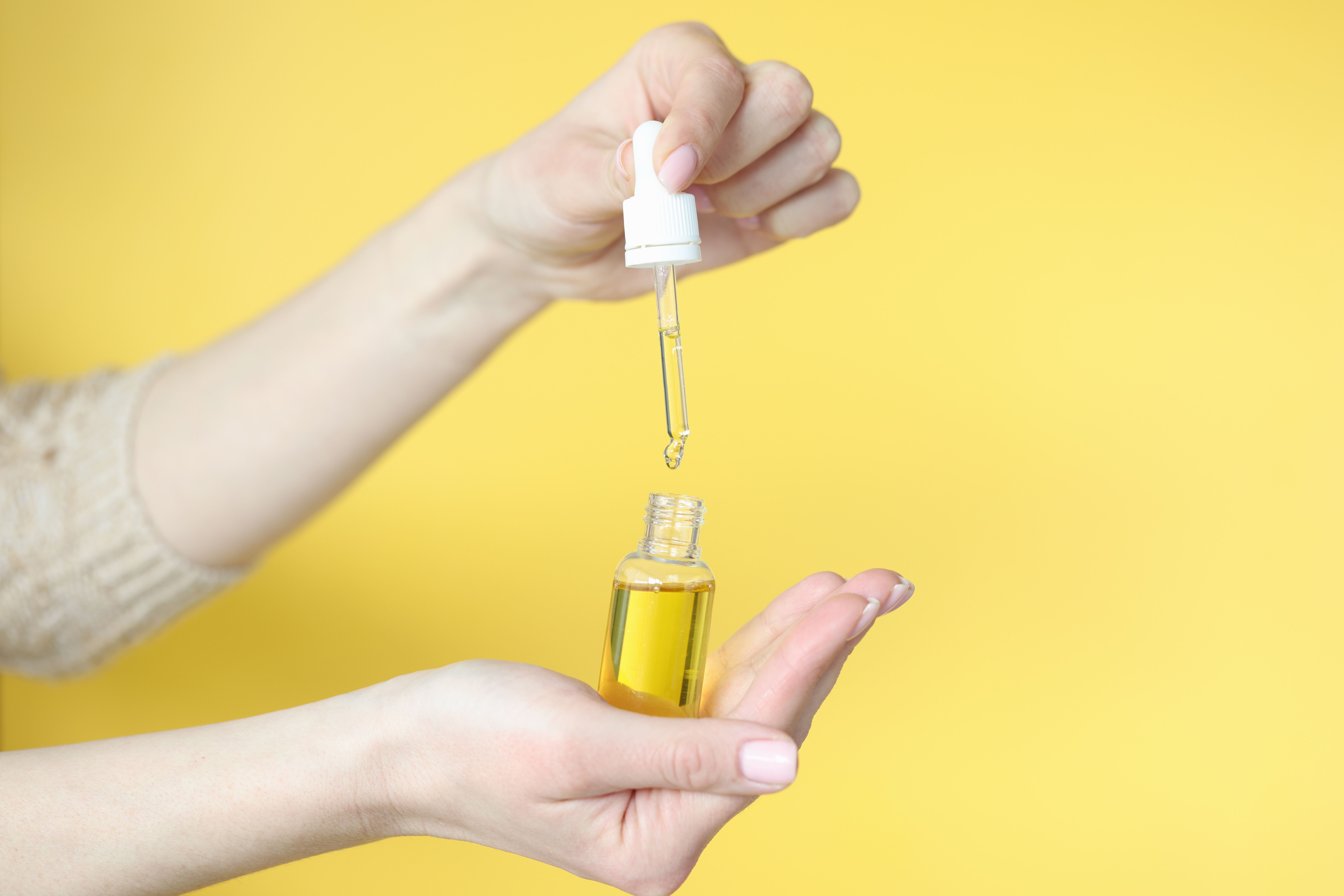
Oil-based serums use nutrient-rich carrier oils and oil-soluble actives to lock in moisture, soften the skin, and repair the barrier. Their rich texture provides vitamins, fatty acids, and antioxidants, offering long-lasting nourishment. Oils such as jojoba, rosehip, marula, or coconut soothe sensitivity and improve elasticity. These serums best suit dry, mature, sensitive, or weather-exposed skin and are especially helpful during winter months.
Gel Serums
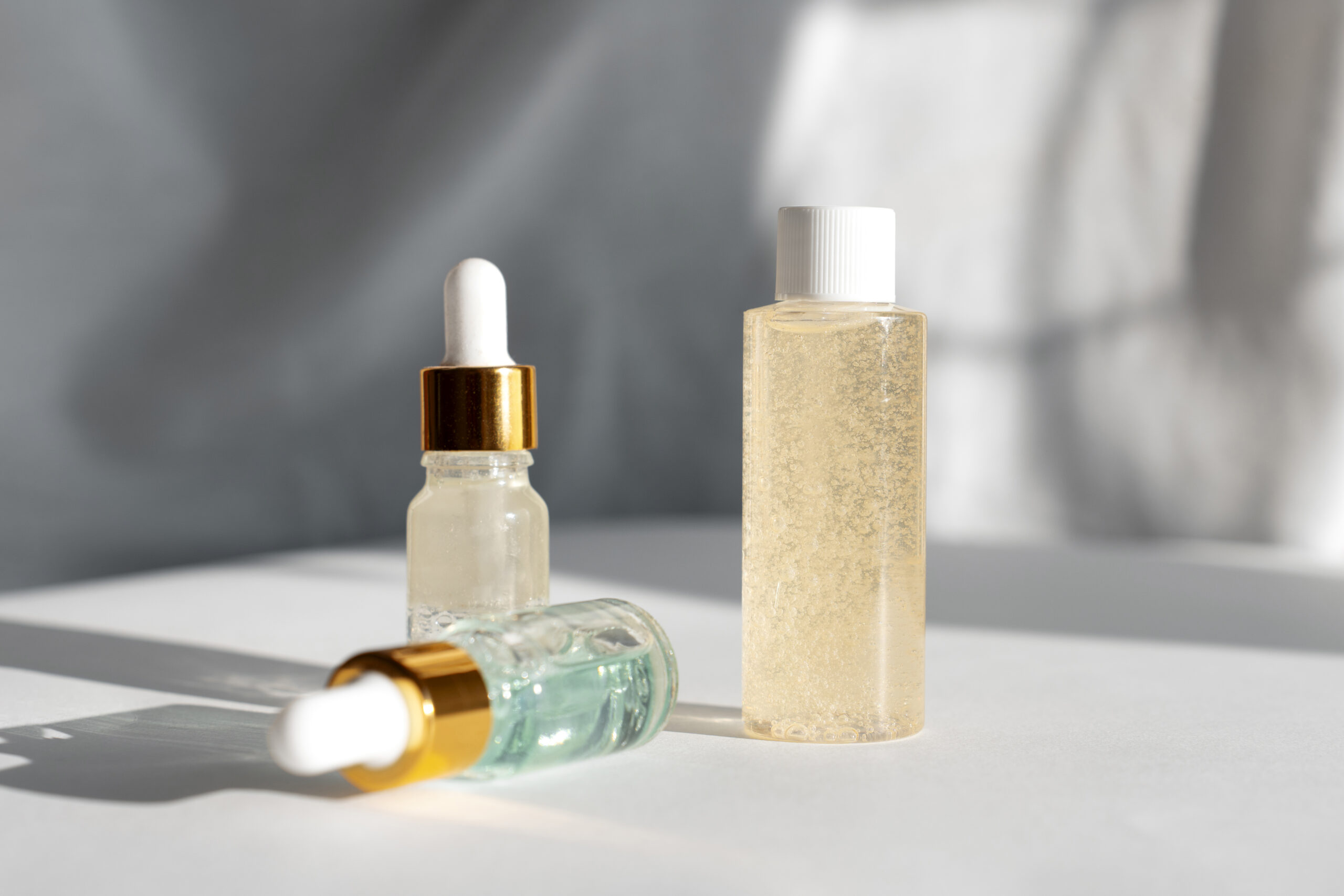
Gel serums offer light hydration, fast absorption, and a refreshing feel without greasiness. They are ideal for oily, combination, acne-prone, or congested skin, especially in humid climates. Popular gel actives include aloe vera, niacinamide, peptides, centella asiatica, and hyaluronic acid, which hydrate while calming redness and irritation. Gel serums are beginner-friendly and layer easily under moisturizers and sunscreen.
Water-Grounded Serums
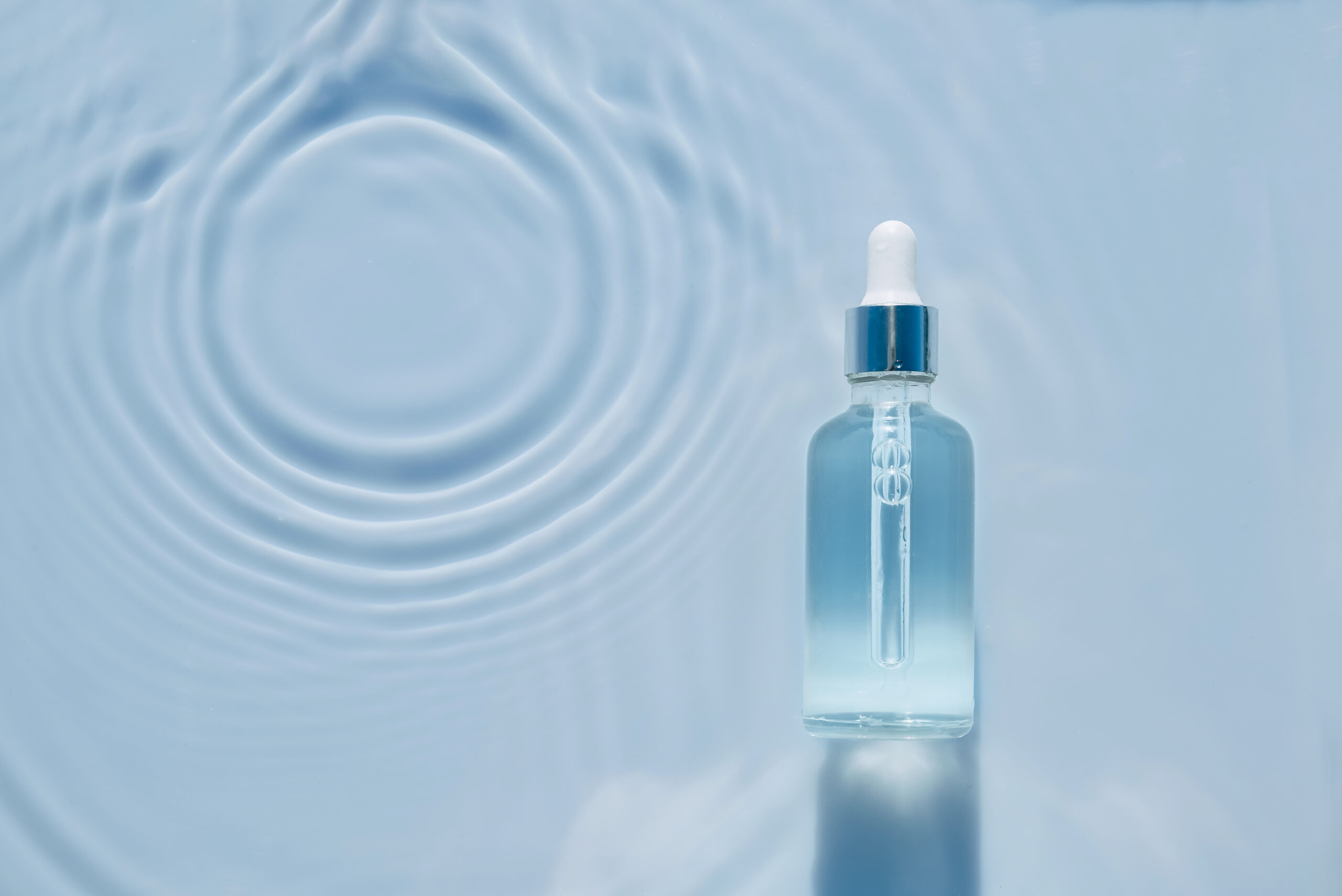
Water-grounded serums are thin formulas designed to deliver water-soluble actives and balanced hydration without clogging pores. Their fluid texture suits oily, dehydrated, or sensitive skin, especially in hot weather. Ingredients like niacinamide, licorice extract, panthenol, amino acids, or herbal extracts help maintain clarity and moisture without heaviness, making them ideal for minimalist routines or multiple layering steps.
Emulsion Serums
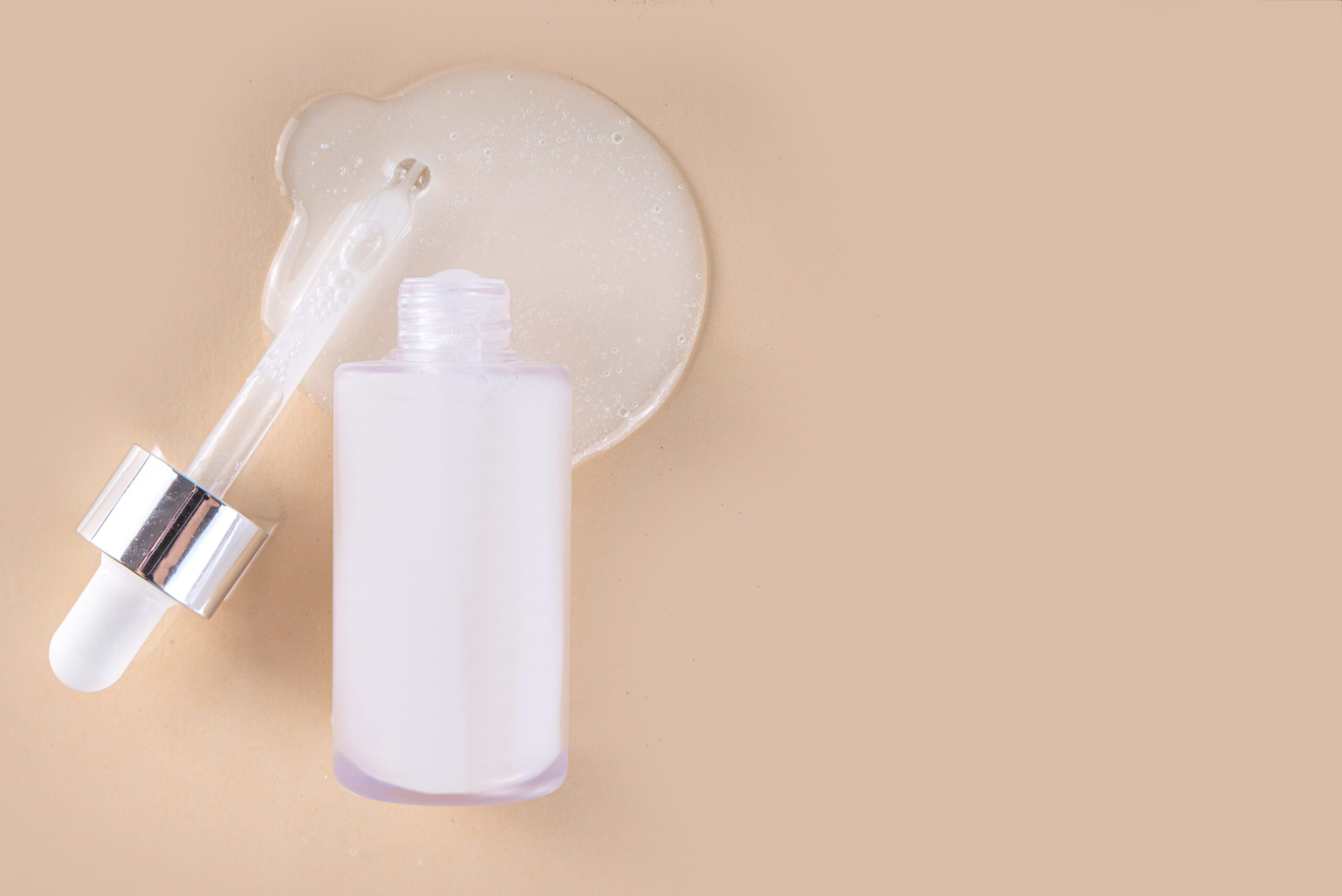
Emulsion serums combine an oil phase and water phase into a silky, lotion-like texture. They support hydration, elasticity, and barrier comfort, offering more nourishment than gel serums but less heaviness than creams. Emulsion serums work well for dry, dehydrated, sensitive, or mature skin, and may even replace moisturizer in warm climates. They are ideal for users who want one product that hydrates and protects in a single step.
Pressed Balm Serums
Pressed balm serums melt with skin warmth to create a cushioned layer that deeply nourishes and restores comfort. Rich in plant butters, botanical oils, peptides, and vitamins, these serums support very dry, mature, irritated, post-retinol, or compromised skin. Balm serums also act as occlusive layers in evening routines, sealing prior skincare steps and enhancing overnight repair.
Choosing the Right Serum for Your Skin Type
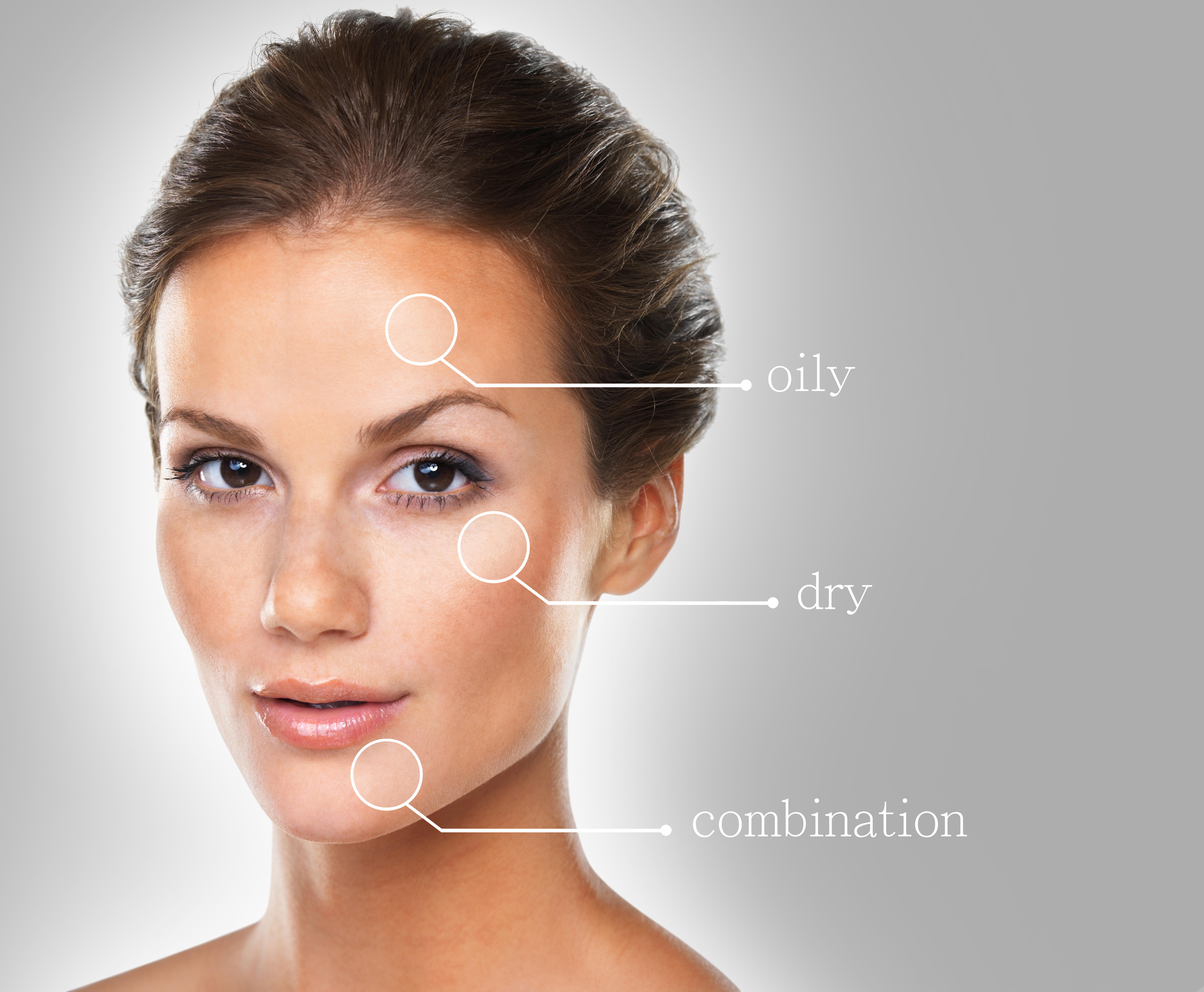
Oily or Acne-Prone:
Gel or water-based serums for light hydration
Dry or Mature:
Oil or emulsion serums for nourishment and elasticity
Sensitive or Damaged:
Balm or gentle emulsion serums for soothing repair
Conclusion
Each serum type delivers different benefits—from lightweight hydration to intensive barrier repair. Matching serum texture with your skin condition and climate ensures better comfort and visible daily results.
