

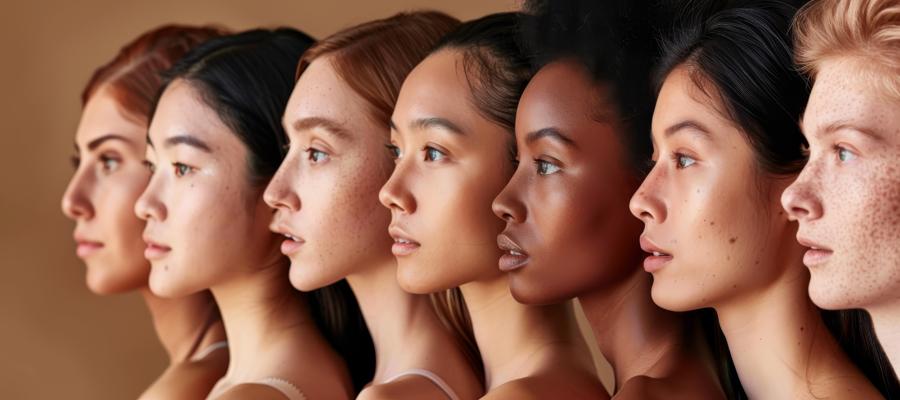
Fitzpatrick skin type explains pigmentation, tanning, and sun sensitivity. Discover why some skin tones develop hyperpigmentation more easily.
Skin pigmentation concerns are common worldwide, but not everyone experiences them in the same way. Some people burn easily, some tan instantly, and others struggle with stubborn brown patches after acne or sun exposure. These differences are not cosmetic accidents — they are explained scientifically by the Fitzpatrick Scale, a dermatological system used to understand how different skin tones react to sunlight and develop pigment changes.
What Is the Fitzpatrick Scale?
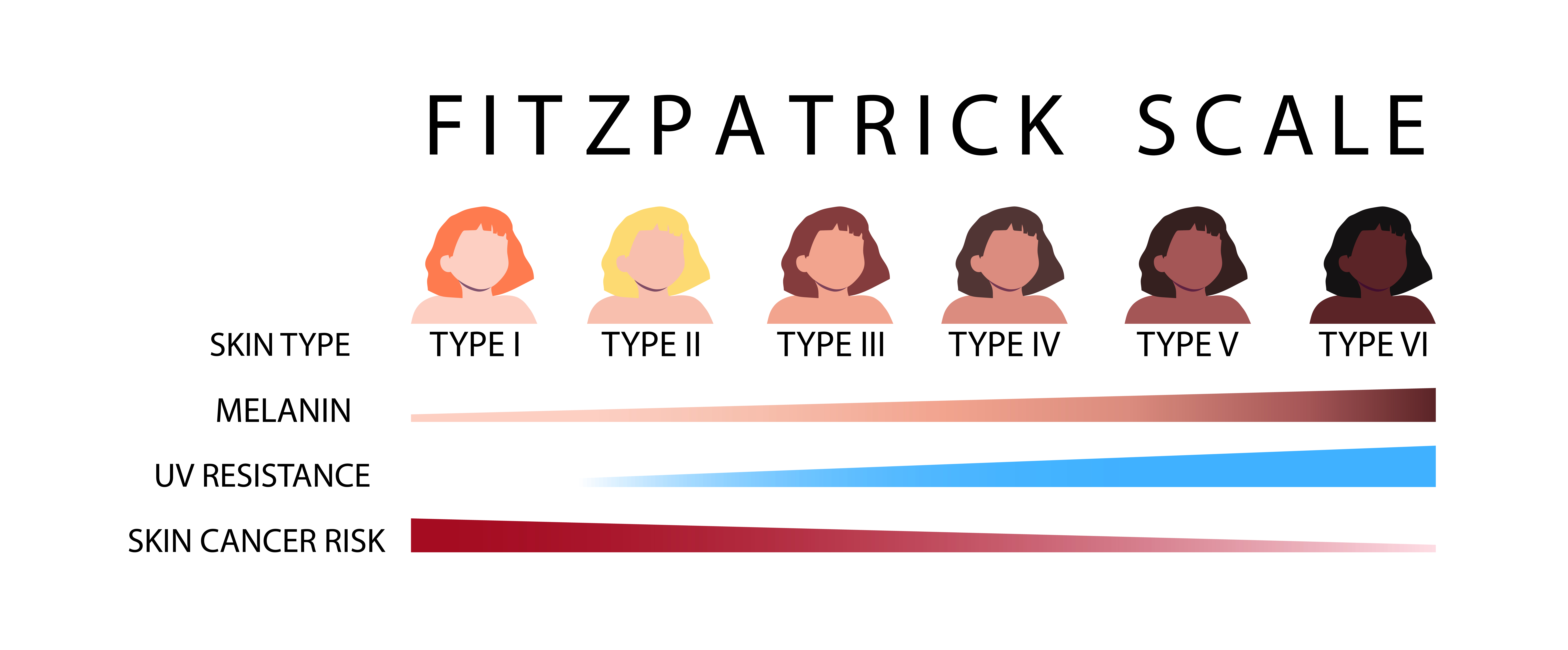
The Fitzpatrick Scale is a global classification method that groups skin into six phototypes, based on how the skin burns, tans, and responds to UV radiation. It ranges from:
- Type I: Very fair, always burns, never tans
- Type II: Fair, burns easily, tans minimally
- Type III: Medium tone, sometimes burns, tans gradually
- Type IV: Olive or brown tone, rarely burns, tans easily
- Type V: Dark brown tone, almost never burns, tans strongly
- Type VI: Deeply pigmented skin, never burns, consistently dark
Although originally developed to assess sun sensitivity in lighter-skinned people, it is now used across all populations to understand pigmentation, tanning behavior, and UV response.
How the Fitzpatrick Scale Predicts Pigmentation Risk

The Fitzpatrick Scale is not just a visual chart — it predicts how your skin produces melanin, the pigment responsible for color, UV protection, tanning, and dark spot formation.
Lighter tones (Types I–II)
These skin types have lower levels of eumelanin, a dark pigment that protects against UV radiation. Because protection is weaker, lighter tones burn quickly and are more prone to UV-related redness rather than pigmentation.
Medium and deeper tones (Types III–VI)
These skin types have more melanin and melanosomes that are larger, more numerous, and more stable. When exposed to sunlight or skin inflammation, they respond by producing additional melanin rather than burning. This extra melanin becomes visible as tanning or hyperpigmentation, especially after repeated exposure.
This is why Types IV, V and VI rarely burn but become darker or uneven more easily.
Why Darker Skin Shows More Persistent Pigmentation
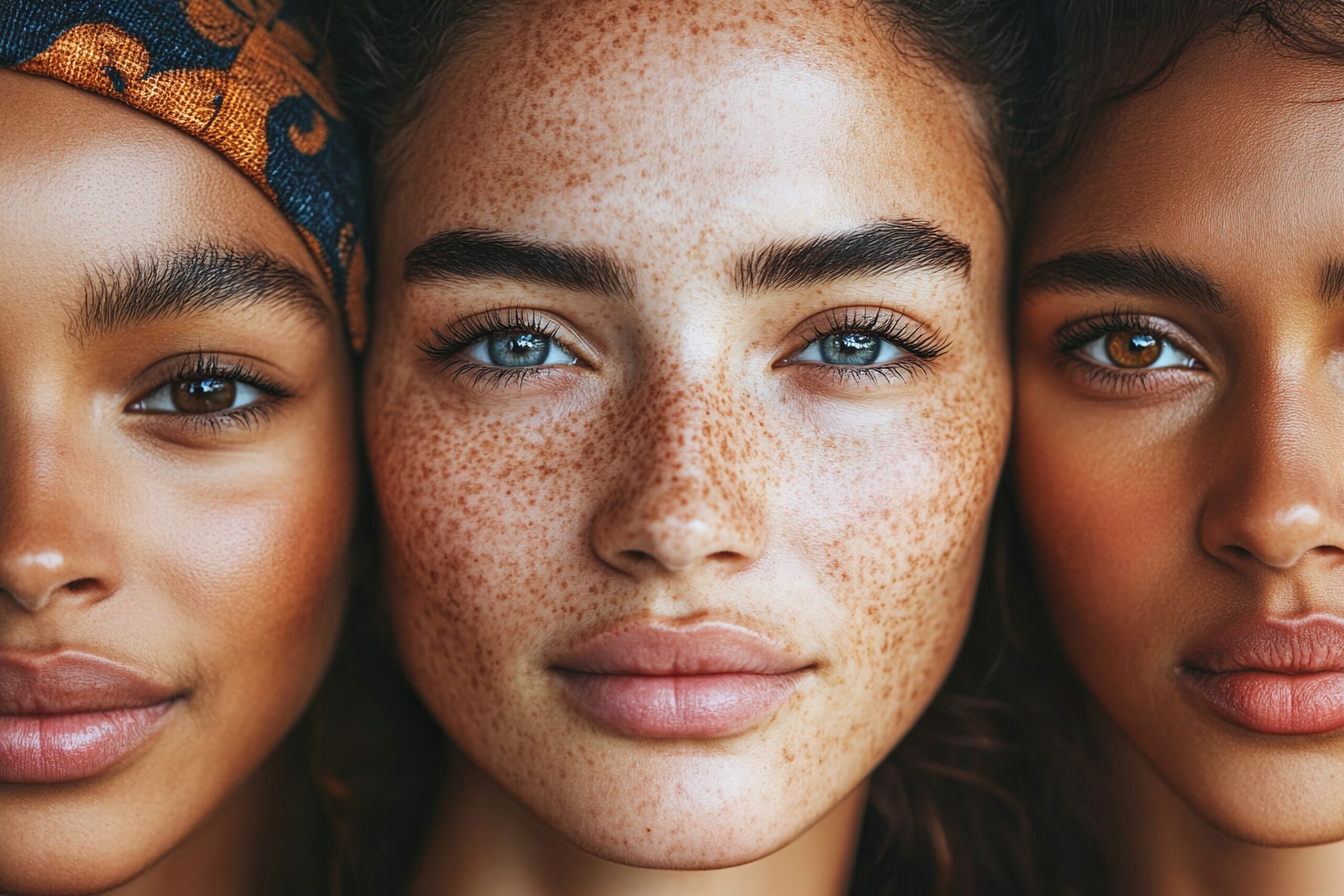
One of the biggest biological differences between Fitzpatrick types is how melanosomes behave. Melanosomes are tiny pigment-carrying structures inside skin cells.
In darker tones, melanosomes are larger, separate, and more resistant to breakdown, so pigmentation stays longer and is more intense.
In lighter tones, melanosomes are smaller and clustered, and they break down more rapidly as skin cells move upward.
This means hyperpigmentation in deeper skin tones tends to be darker, more visible, slower to fade and more likely to return after inflammation
So post-acne marks, tanning irregularities, and melasma are more common and more stubborn in Fitzpatrick Types III–VI.
Fitzpatrick Type Also Predicts UV Sensitivity
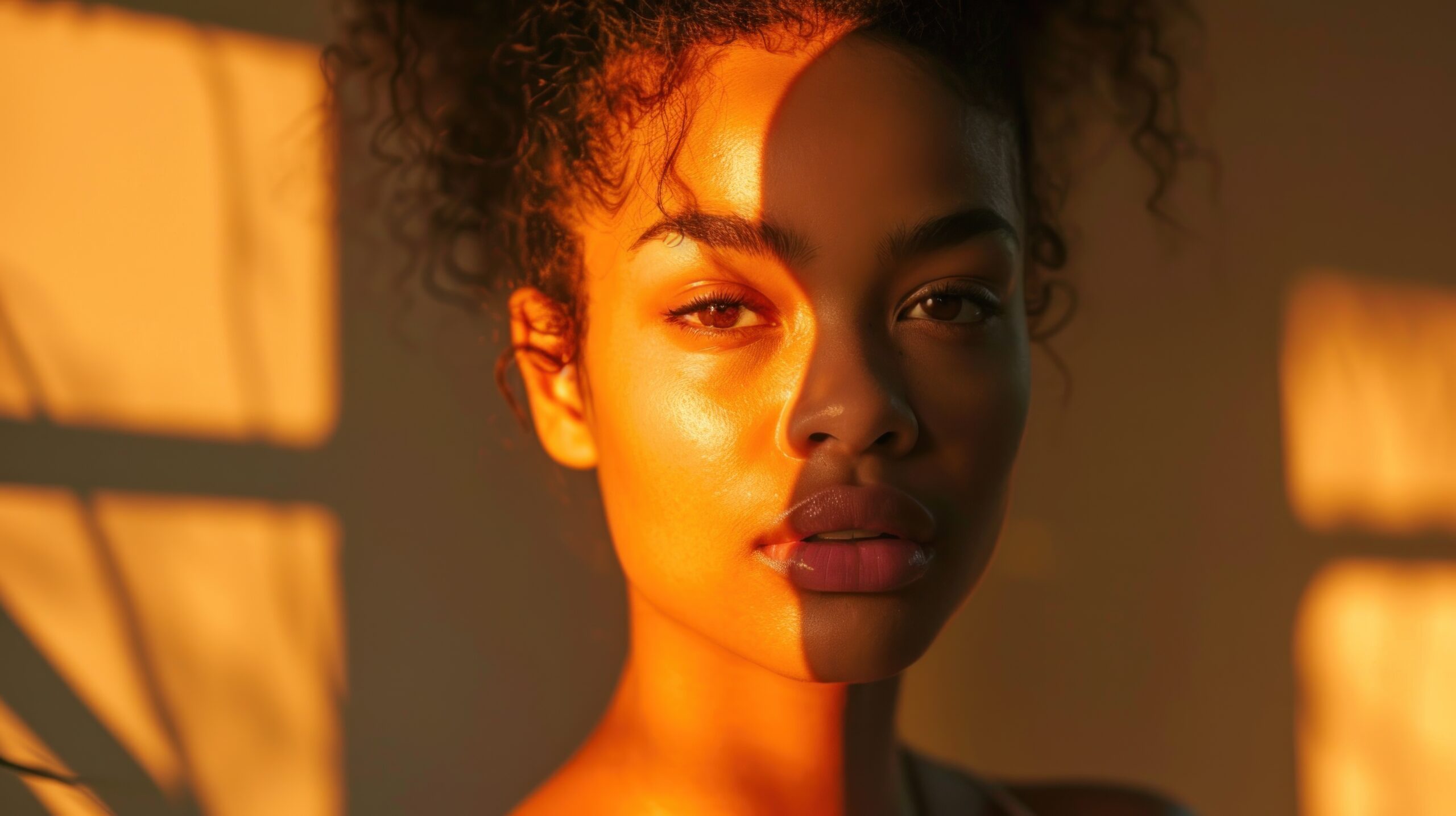
All skin suffers UV damage, but some tones are naturally more protected. Darker tones can have an intrinsic SPF value around 13.4, while lighter tones average around 3.4.
This means lighter tones burn as their first visible response and darker tones pigment as their first visible response.
The Fitzpatrick Scale helps dermatologists anticipate whether a person is more likely to develop burning, tanning, or long-term discoloration after sun exposure or inflammation.
Why Knowing Your Fitzpatrick Type Matters
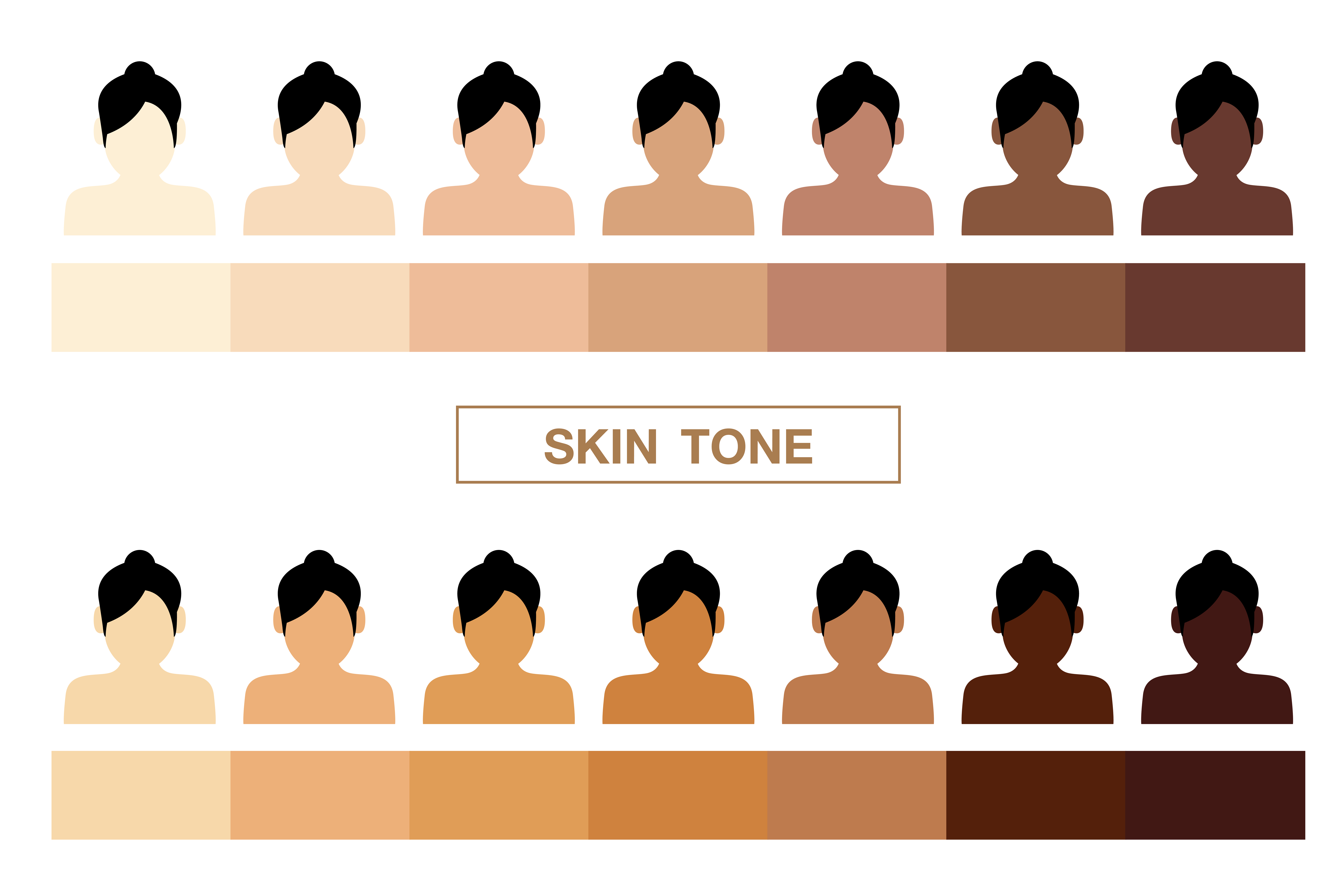
Understanding your Fitzpatrick type helps you make smarter skincare choices:
If you are Type I–II: prioritize burn prevention, higher daily SPF, and antioxidant support
If you are Type III–VI: protect against pigmentation, avoid unprotected sun exposure after inflammation or acne, and treat discoloration consistently
The Fitzpatrick Scale is not about beauty — it is a scientific tool that explains how melanin works, how long pigmentation lasts, and how quickly it appears.
