

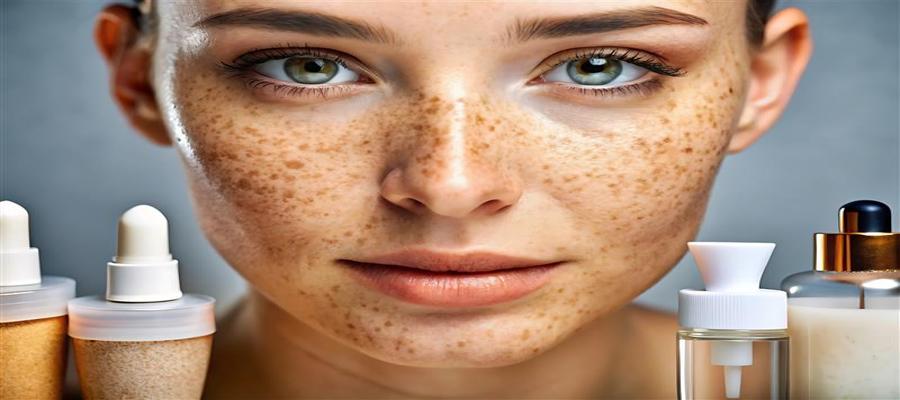
How to treat hyperpigmentation with 4 proven methods for dark spots, melasma, and uneven skin tone effectively.
How to treat hyperpigmentation depends on understanding its cause and type. Hyperpigmentation can show up as dark spots, patches, or uneven skin tone, and although it is usually harmless, many people want to treat it for cosmetic reasons. The right treatment depends on why the pigmentation appeared in the first place.
Understanding Why Treatment Differs
Hyperpigmentation forms when the skin produces extra melanin—the pigment that gives skin its colour. But the reason for this extra pigment varies: acne, sun exposure, hormones, or even pigmentation present since birth. Different types of hyperpigmentation respond to different ingredients and procedures, and therefore need a tailored approach, rather than a one-size-fits-all solution.
Treatments for the Main Types of Hyperpigmentation
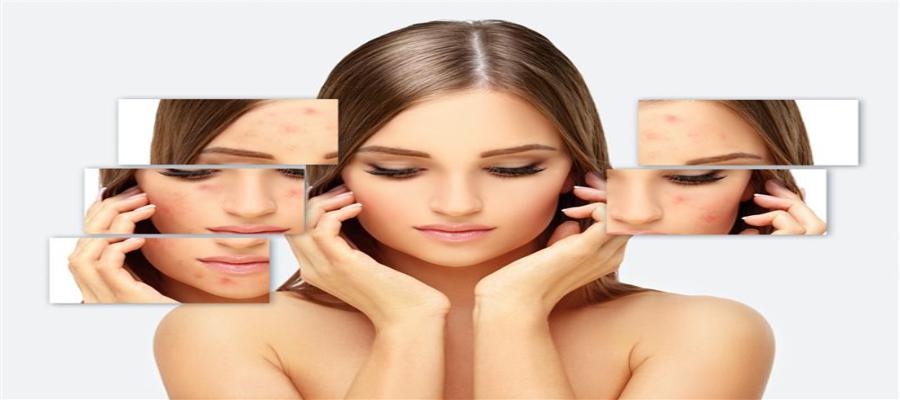
- Treating Post-Inflammatory Hyperpigmentation (PIH)
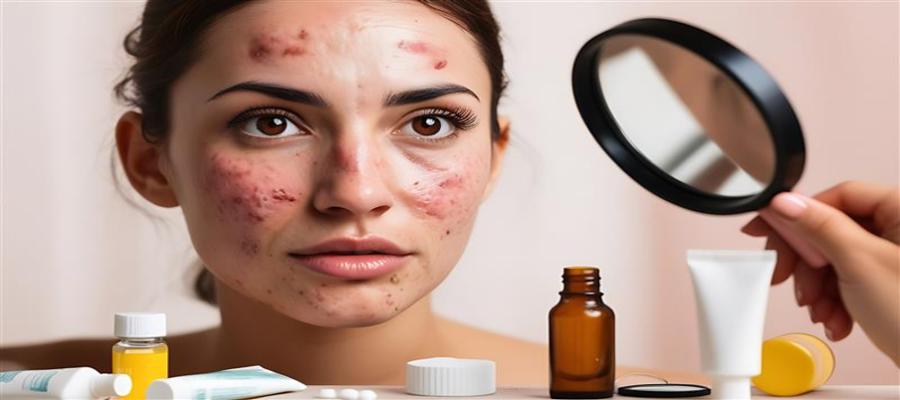
Post-inflammatory hyperpigmentation appears after the skin has experienced irritation or injury from acne, eczema, burns, or cuts.
Treatment usually focuses on ingredients such as hydroquinone, azelaic acid, and retinoids, which are commonly used because they slow melanin production and increase cell turnover.
Chemical peels can help lift surface pigment, while laser treatments are used cautiously, particularly in deeper skin tones, because they may sometimes worsen discoloration.
Managing ongoing inflammation—like active acne—also plays an important role in preventing new PIH.
- Treating Melasma
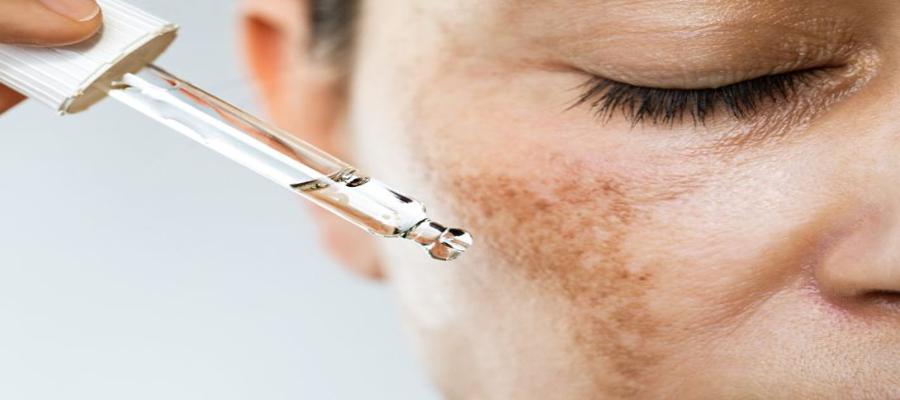
Melasma causes larger, symmetric patches on the face and is strongly influenced by hormones and sun exposure.
Treatment generally involves a combination of pigment-reducing and skin-renewing ingredients. Hydroquinone is widely used to lighten the patches, while tretinoin helps increase cell turnover so pigment fades more smoothly over time. Corticosteroids are sometimes included in combination formulas to enhance results, and azelaic acid is another useful option for reducing uneven pigment.
Chemical peels may also help with surface-level discoloration. Because melasma responds strongly to sunlight, strict sun protection is essential to prevent darkening and maintain progress.
Melasma requires patience and ongoing maintenance because the pigment tends to deepen with any sun exposure.
- Treating Solar Lentigines (Sunspots / Age Spots)
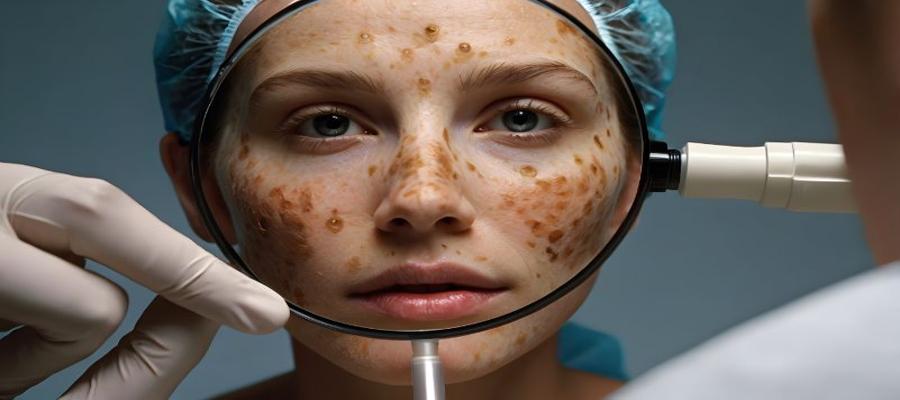
Solar lentigines occur after years of sun exposure and appear on areas like the face, hands, chest, and arms.
Treating sunspots may involve pigment-lightening creams, exfoliating treatments, or procedures that target deeper pigment. Hydroquinone, retinoids, and azelaic acid are often used together or separately to help lighten the spots.
Chemical peels can remove superficial layers of pigment, while laser therapy is often chosen for stubborn sunspots that do not respond to topical care.
Because sunlight is the main cause, sun protection is a critical part of preventing new spots.
- Treating Freckles (Ephelides)
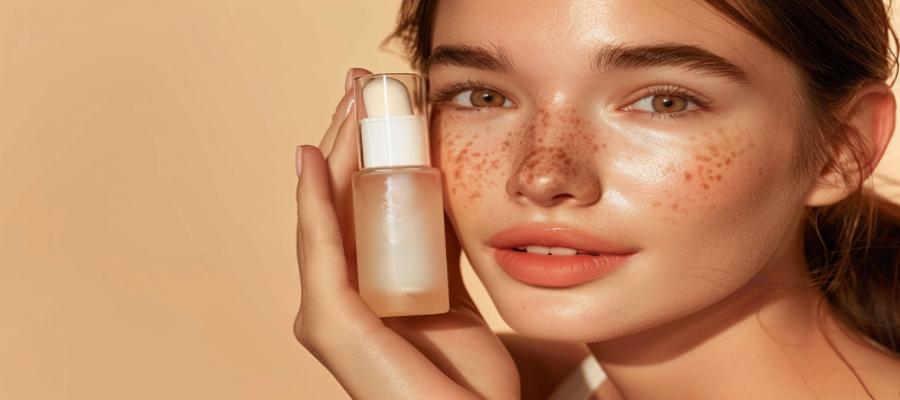
Freckles often appear in childhood, darken in the sun, and lighten in winter. Freckles are harmless and usually don’t require treatment unless someone wants them lightened for cosmetic reasons.
When treatment is desired, topical brightening ingredients like hydroquinone or retinoids may gradually soften their appearance.
Laser treatments can also be used to fade freckles more quickly, although ongoing sun protection is important because freckles tend to return or darken when exposed again.
Final Thoughts
Treating hyperpigmentation successfully depends on recognizing which type you have and choosing treatments that specifically target that form of pigment. With a tailored approach and consistent care, most pigmentation concerns can be significantly improved over time.
