

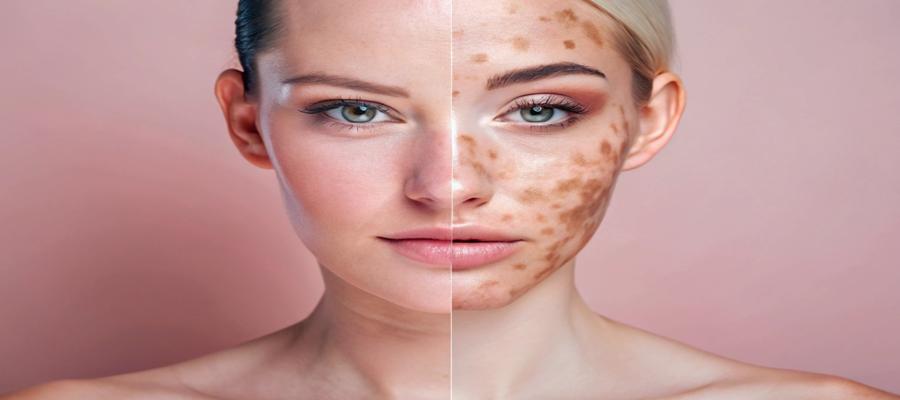
This hyperpigmentation guide explains dark spots on skin, their causes, types, and how to treat hyperpigmentation for an even skin tone.
Hyperpigmentation guide: If you’ve noticed dark spots on skin or uneven patches, understanding hyperpigmentation is the first step toward clearer skin. Many people experience changes in skin tone, but knowing the causes of hyperpigmentation helps you choose the right care.
What Is Hyperpigmentation?
Your skin gets its color from a pigment called Melanin, which is produced by special cells called Melanocytes. When these melanocytes create more melanin than usual, certain patches of skin become darker than the surrounding areas — that’s hyperpigmentation. It isn’t a disease by itself — just a change in pigment distribution — but it can affect how we look and feel about our skin.
Hyperpigmentation covers a wide range of conditions — from small dark spots to larger blotchy patches — depending on how and why melanin builds up unevenly in the skin.
What Causes Hyperpigmentation?
There are several common triggers — and often more than one factor plays a role in causing darker skin patches:
Sun exposure & UV rays: The most common culprit. Over time, exposure to sunlight stimulates melanocytes to produce more melanin, leading to sun-induced pigmentation.

Inflammation or skin injury: If your skin has experienced acne, eczema, cuts, burns or other irritation — even after healing — it may overproduce melanin locally.
Hormonal factors & genetics: For some people, genetic background and hormonal changes (e.g. pregnancy, birth control, hormonal imbalance) can influence how much melanin their skin produces — making them more prone to conditions like Melasma or other pigment-related changes.
Other triggers: Certain medications, environmental stress (pollution, chemicals), and even repetitive friction or pressure on skin can lead to pigmentation issues.
In short — hyperpigmentation happens when your skin reacts to external or internal stress by producing extra pigment. That’s a normal response, but when it becomes irregular, patchy, or persistent, it becomes noticeable as uneven tone.
Common Types of Hyperpigmentation
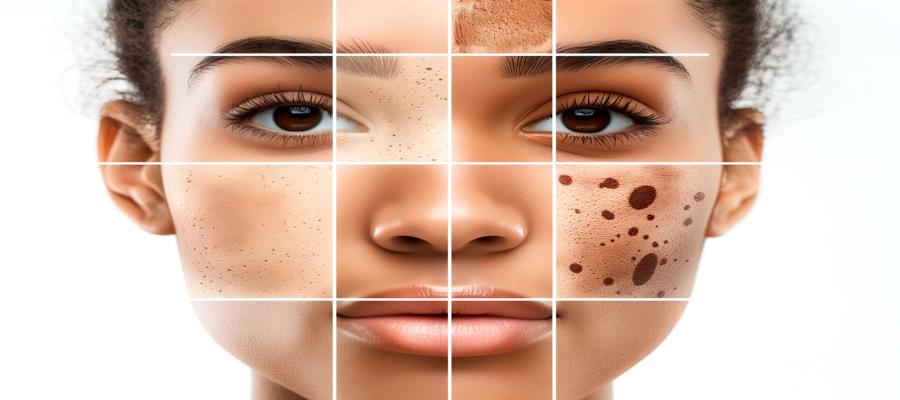
Sunspots
These form due to long-term sun exposure and are more common as we age. They typically appear on areas that receive the most sunlight.
Post-Inflammatory Hyperpigmentation (PIH)
This develops after the skin experiences irritation or injury. Acne marks are one of the most common examples.
Melasma
Melasma appears as larger, patchy areas of pigmentation. It often darkens with sun exposure and is linked to hormones, making it more challenging to manage.
Why It Matters — More Than Just Appearance
Hyperpigmentation is often seen as a cosmetic issue — but it can deeply affect confidence and self-esteem. Uneven skin tone can make people self-conscious, especially when it’s visible on the face or exposed skin. Moreover, pigment changes sometimes signal over-exposure to the sun or past skin damage — important reminders to treat our skin more gently.
Understanding what drives pigmentation can help you avoid worsening it, and take steps to restore a more even skin tone over time.
Managing and Preventing Pigmentation

Although hyperpigmentation can be stubborn, it can be improved with the right habits. Sun protection is the most important step, as it prevents spots from darkening and reduces new ones from forming. Gentle skincare is also essential, especially when pigmentation is caused by inflammation. Treating acne, avoiding harsh products, and protecting the skin barrier help prevent PIH from worsening. There are also topical ingredients and professional treatments that target melanin production, though their effectiveness varies depending on skin type and pigment depth.
Final Thoughts
Hyperpigmentation is a natural response to stress, sun exposure, or hormonal shifts in the skin. By understanding what drives dark spots — and recognizing the most common triggers — you can take meaningful steps to care for your skin. With consistent protection, gentle routines, and the right treatment approach, achieving a more even skin tone becomes much more achievable.
