

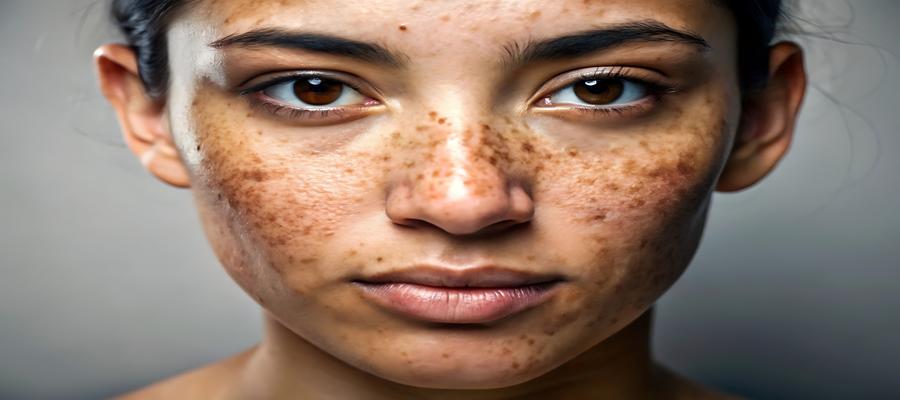
Melasma is one of its major causes, triggers, and who gets it most. Discover how sunlight, hormones, and genetics affect skin pigmentation.
Melasma is a chronic pigmentation condition that causes brown or grayish patches to develop on the face, especially on the cheeks, forehead, upper lip, and chin. These patches gradually darken and become more noticeable with sun exposure. Unlike temporary tanning or short-term sun spots, melasma behaves more like a long-term pigment disorder that tends to come and go over time rather than disappearing completely. Melasma most commonly affects women and is often seen in adults between the ages of 20 and 50.
Melasma appears more frequently in people living in sunny climates because repeated exposure to sunlight over months and years stimulates pigment activity in the skin. Women are affected far more often than men, largely because of hormonal factors. People with medium to deeper complexions are also more likely to develop melasma since their melanocytes are naturally more active and produce pigment more easily.
MAJOR TRIGGERS OF MELASMA

Melasma develops because certain triggers stimulate the pigment-producing cells in the skin. These triggers influence how easily pigment is produced and how persistent the patches become. According to current research, the three strongest triggers are sun exposure, hormonal changes, and genetic predisposition.
Sunlight and UV Radiation
Sun exposure is the most powerful trigger for melasma. Ultraviolet light stimulates pigment cells and increases melanin production. Even mild, repeated exposure can slowly darken existing patches and make them more stubborn over time. This is why people with melasma often notice worsening after outdoor activities, vacations, or summer months.
Hormonal Changes
Hormonal fluctuations are another major reason melasma is more common in women. Pregnancy, oral contraceptive pills, and hormone therapies can increase melanocyte activity and make the skin more reactive to sunlight. Because of this close connection, melasma is sometimes referred to as “the mask of pregnancy.”
GeneticPredisposition
Melasma also tends to run in families, which suggests a strong genetic component. If a close family member has melasma, there is a higher chance of developing it, especially after sun exposure or hormonal shifts. Genetics do not cause melasma alone, but they make the skin more “ready” to respond with pigmentation when exposed to common triggers.
WHO IS MOST LIKELY TO GET MELASMA?
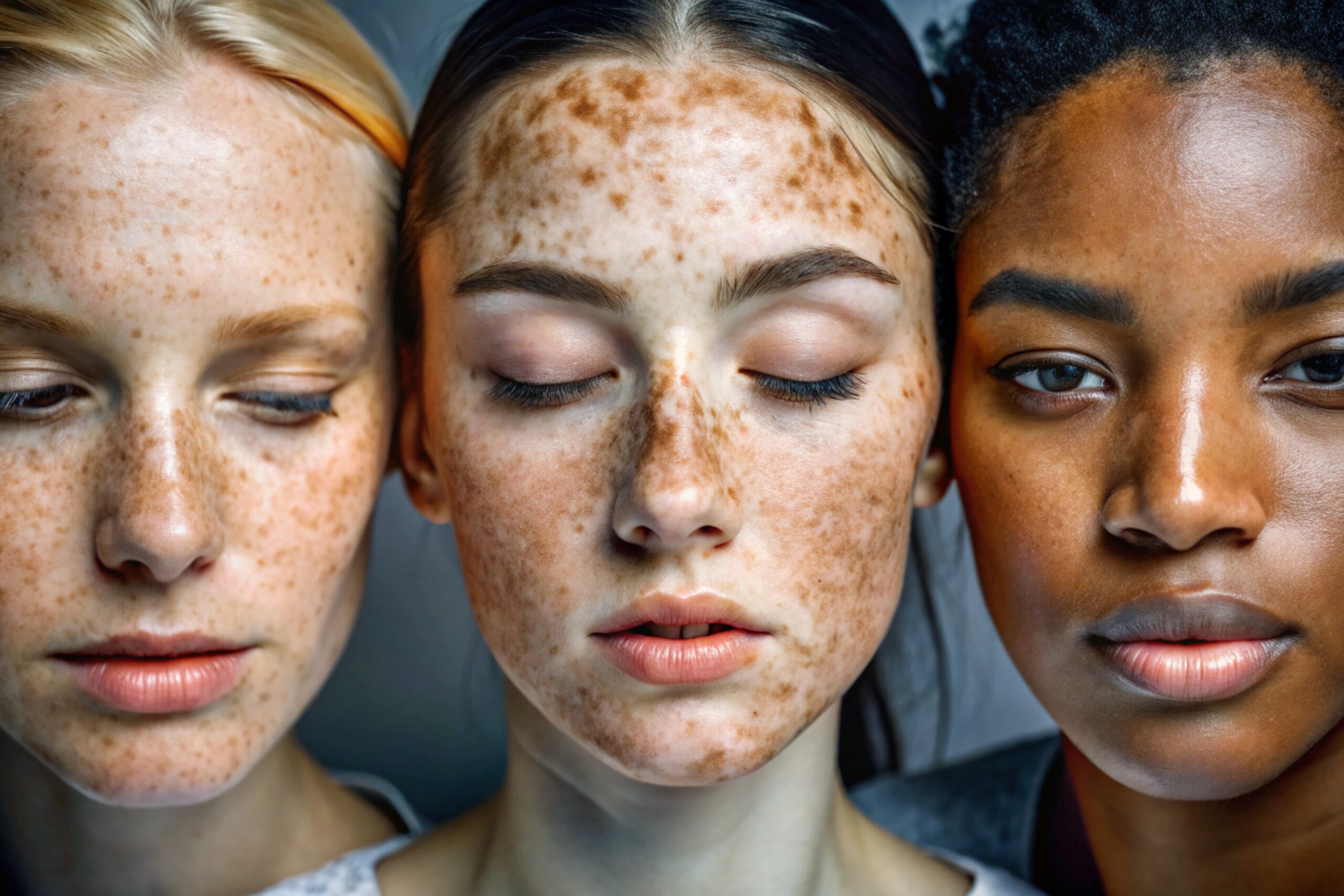
Melasma can affect anyone, but it is most common in women with medium to darker skin tones. The pigmentation usually appears on the face, especially the cheeks, forehead and upper lip, and it often becomes more noticeable in sunny environments. Because melasma behaves like a chronic condition, many people experience improvement and recurrence in cycles depending on sun exposure, hormonal changes, irritation or lifestyle habits.
MELASMA IS LONG-TERM, NOT SHORT-TERM

One of the most important things to understand is that melasma rarely disappears overnight. Even when the patches improve, the underlying sensitivity remains, which is why melasma frequently returns. Managing melasma is less about quick fading and more about long-term skin protection, gentle habits and preventing repeated triggers.
FINAL THOUGHT
Melasma is not just a sunspot — it is a chronic pigment condition influenced by sunlight, hormones and genetics. While women are most commonly affected, anyone living in sunny environments or with a family history may develop it. Understanding melasma and its triggers is the first step toward choosing long-term, gentle and realistic ways of managing it.
