

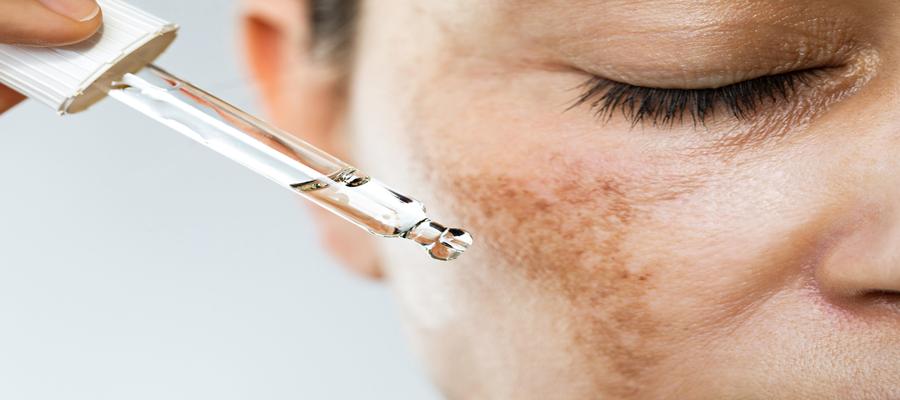
Minimalist skincare routine for melasma with 3 powerful steps. Learn how sunscreen, gentle serums, and consistency help fade pigmentation safely.
Melasma is one of the most stubborn pigmentation conditions, especially on the face. People often treat it with complicated routines, bleaching agents, strong exfoliants, or frequent product switching — and end up frustrated because the dark patches don’t fade or return even darker. The truth is, melasma is a chronic skin condition, not a quick-fix problem, and the best approach is often minimalist, gentle, and long-term rather than aggressive.
Why Minimalism Helps Melasma More Than 10-Step Routines

Melasma is driven by multiple internal and external triggers such as UV radiation, heat, inflammation, oxidative stress, and irritation, all of which can worsen the condition or cause relapse. That means over-exfoliation, harsh peels, bleaching creams, or mixing too many active ingredients can inflame the skin and actually make pigmentation darker and longer lasting. Gentle routines are safer because irritation itself triggers melanin activity and leads to rebound hyperpigmentation.
Minimalism works because the fewer products you use, the lower the risk of irritation and inflammation, and therefore the lower the chance of melasma becoming deeper or more resistant.
Step 1: One Gentle Morning Serum
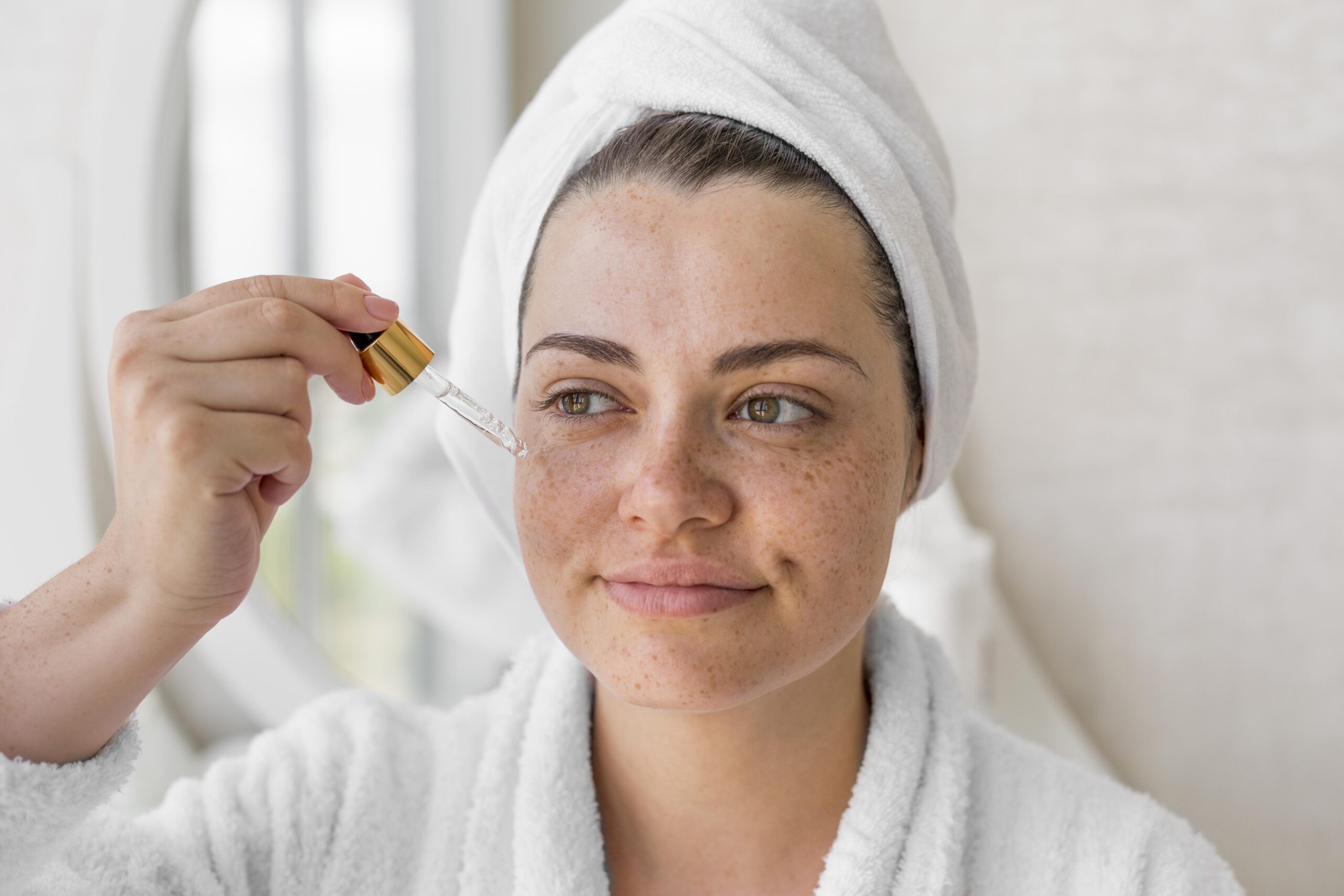
Minimalist skincare means you do not need five brightening products. Just choose one morning serum that gently targets pigmentation without irritation. Scientific evidence supports ingredients like Vitamin C for reducing oxidative stress and pigment production, Niacinamide for slowing pigment transfer in the skin and calming inflammation and Azelaic acid for reducing dark spots safely over time.
All of these ingredients are supported as safe and useful for home treatment when combined with sunscreen and used consistently.
You only need one morning active, not three or four.
Step 2: Daily Sunscreen Is Non-Negotiable
Every scientific paper on melasma agrees on one thing: strict daily sun protection is the single most important step in long-term melasma management.
A minimalist routine that starts with broad-spectrum sunscreen every morning is more effective than any complicated pigment cream without it. Sunscreen reduces relapses, prevents new patches from forming, and makes other treatments work better over time.
Think of sunscreen as your main treatment, not just a cosmetic product. Without sunscreen, no serum — no matter how expensive — can successfully fade patches.
Step 3: Mild Night Routine That Boosts Skin Turnover

For evenings, choose one mild retinoid or one azelaic acid product — not both. Mild retinoids help with cell turnover, making pigment fade gradually and improving overall tone without aggressive peeling. Azelaic acid is also a great nighttime option if you prefer gentler or pregnancy-safe ingredients.
Minimalist skincare is about consistency over aggression — slow fading is safer, more predictable, and less likely to rebound.
Why Progress Is Slow but Effective

Melasma does not fade overnight because it involves deep pigment, vascular factors, inflammation, and oxidative stress, all of which take time to normalise.
But consistent sunscreen + one morning serum + one gentle evening active builds visible improvement safely over months.
A minimalist routine doesn’t just remove pigment — it reduces the triggers that cause melasma to keep returning, which is the reason it works better long-term than harsh, instant-result formulas.
Final Takeaway
If you want to treat melasma safely at home, the most evidence-based routine is daily sunscreen, ONE morning antioxidant or depigmenting serum, and ONE gentle nighttime product, with no over-exfoliation, no layering multiple actives, and no harsh peels.
Minimalism works because melasma responds best to being protected, soothed, and treated slowly, not aggressively.
