


Confused between oil-based vs water-based serums? Discover differences, benefits, and how to choose the right serum for your skin type and routine.
Face serums have become one of the most effective ways to target skin concerns such as dryness, dullness, irritation, or aging. But not all serums perform the same way. Two of the most popular formats—oil-based serums and water-based serums—offer unique textures, penetration levels, and skincare benefits. Understanding the differences helps you select the right formula for your daily routine.
What Is an Oil-Based Serum?
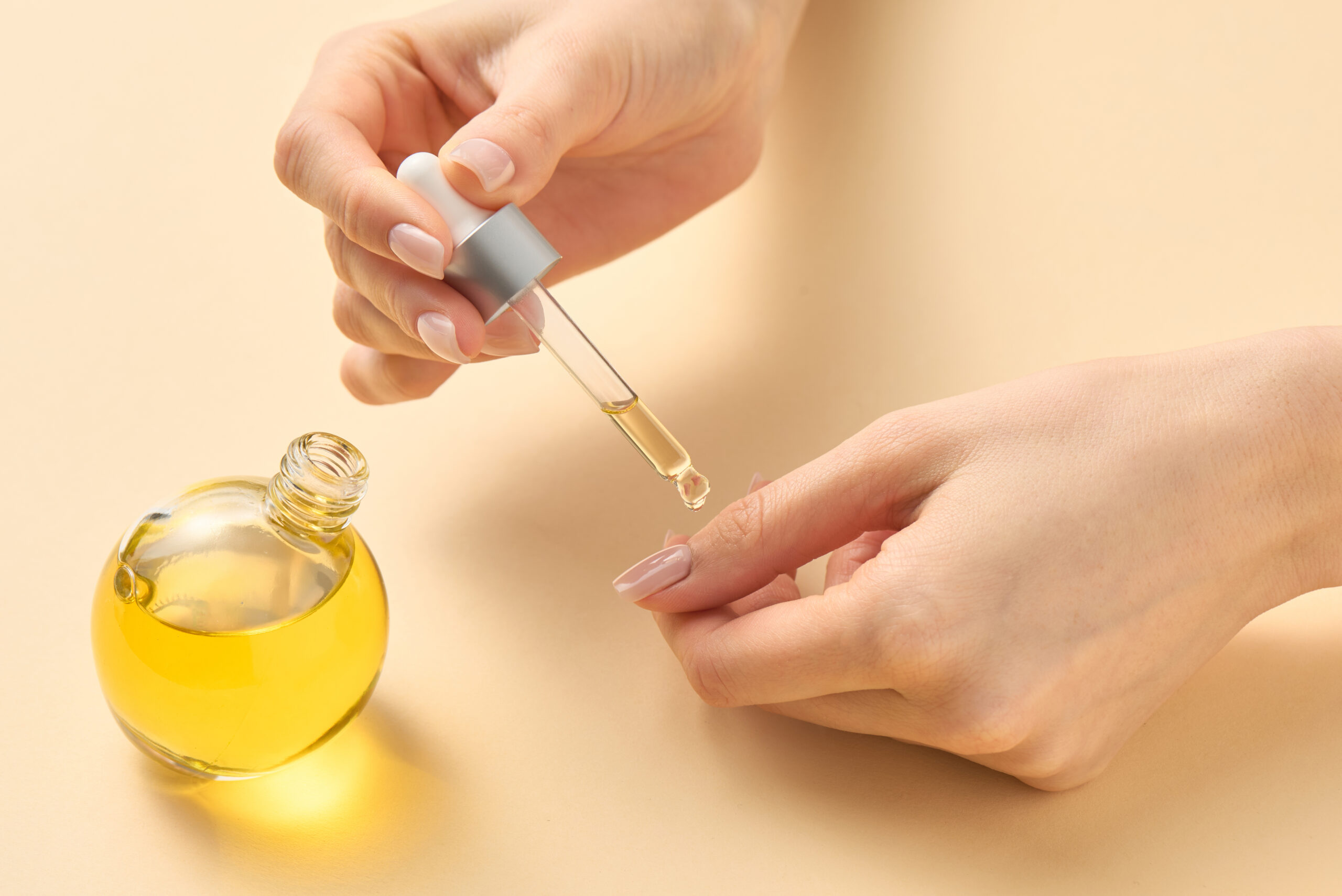
Oil-based serums are concentrated blends of plant oils and botanical actives that deeply nourish, soften, and repair the skin. They contain oils such as rosehip, argan, or jojoba, which are rich in fatty acids, vitamins, and antioxidants that strengthen the skin barrier and retain moisture. Their lipid-rich texture helps seal hydration and supports long-lasting smoothness and elasticity.
Oil serums are especially beneficial for dry or mature skin, offering deep nourishment, improved softness, and enhanced elasticity. They are ideal during cold weather or winter months when the skin becomes more prone to dehydration and tightness. Because of their rich and soothing texture, oil serums work particularly well in evening routines, giving the skin time to absorb nutrients and restore comfort overnight.
These serums penetrate into the skin and help reinforce the lipid barrier, reducing moisture loss while supporting anti-aging actives such as vitamin C, peptides, or hyaluronic acid, depending on the formulation.
Because they are highly concentrated, only a few drops are enough, and they are usually massaged into the skin before moisturizing. However, oily or acne-prone skin should use oils carefully or choose lighter options.
What Is a Water-Based Serum?
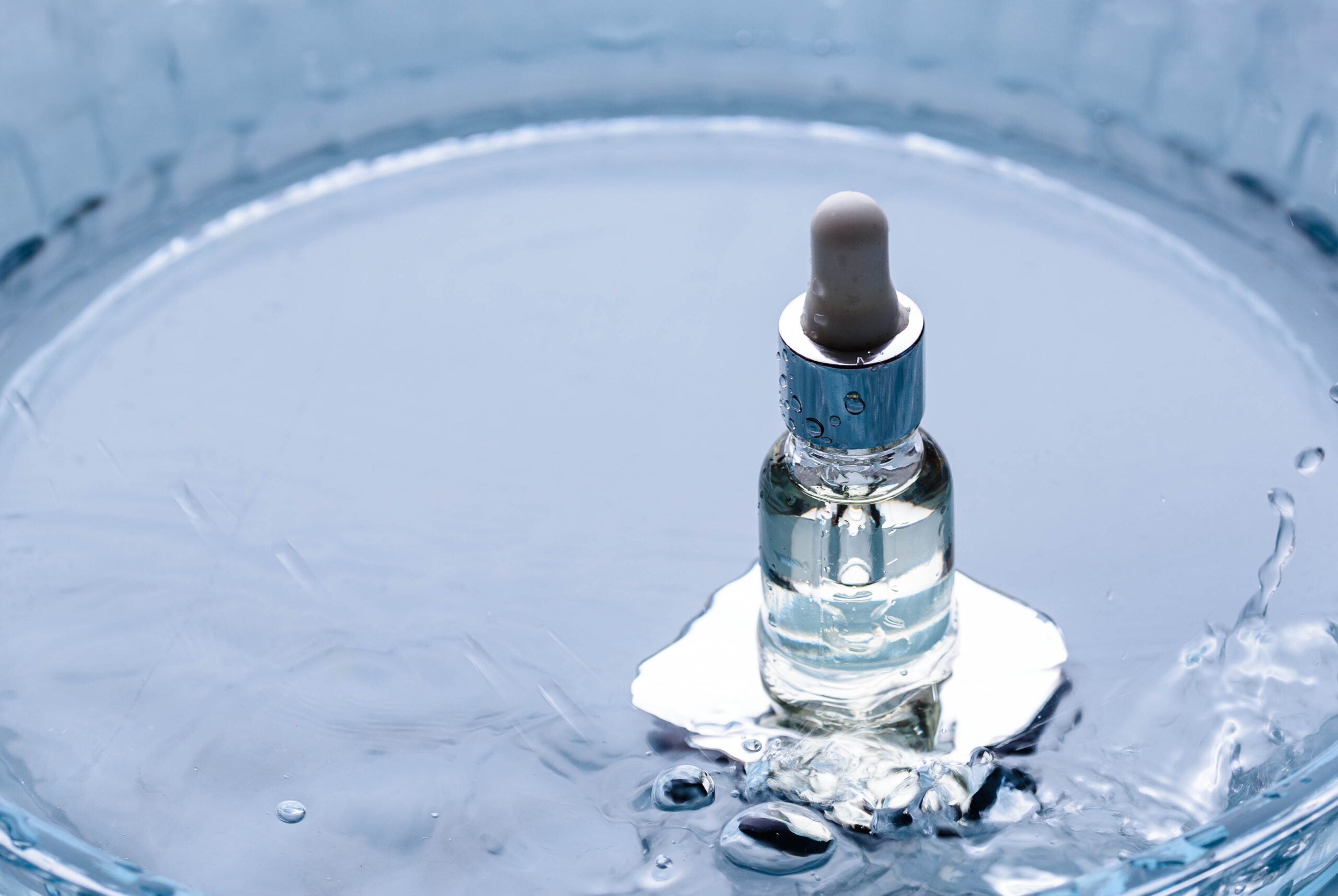
Water-based serums use water as the primary vehicle, allowing rapid absorption without heaviness, greasiness, or pore congestion. These formulas are perfect for lightweight hydration, even for oily or acne-prone skin.
Water serums are loaded with humectants such as hyaluronic acid, glycerin, or aloe vera, which draw moisture from the environment and increase skin hydration without oiliness. They also deliver vitamins, antioxidants, and botanical actives that help even out texture and soothe irritation.
Because they penetrate immediately, water-based serums are excellent first-layer serums, especially after cleansing and toning. Their lightweight nature makes them ideal for humid climates and daytime use.
Texture & Absorption: The Biggest Difference
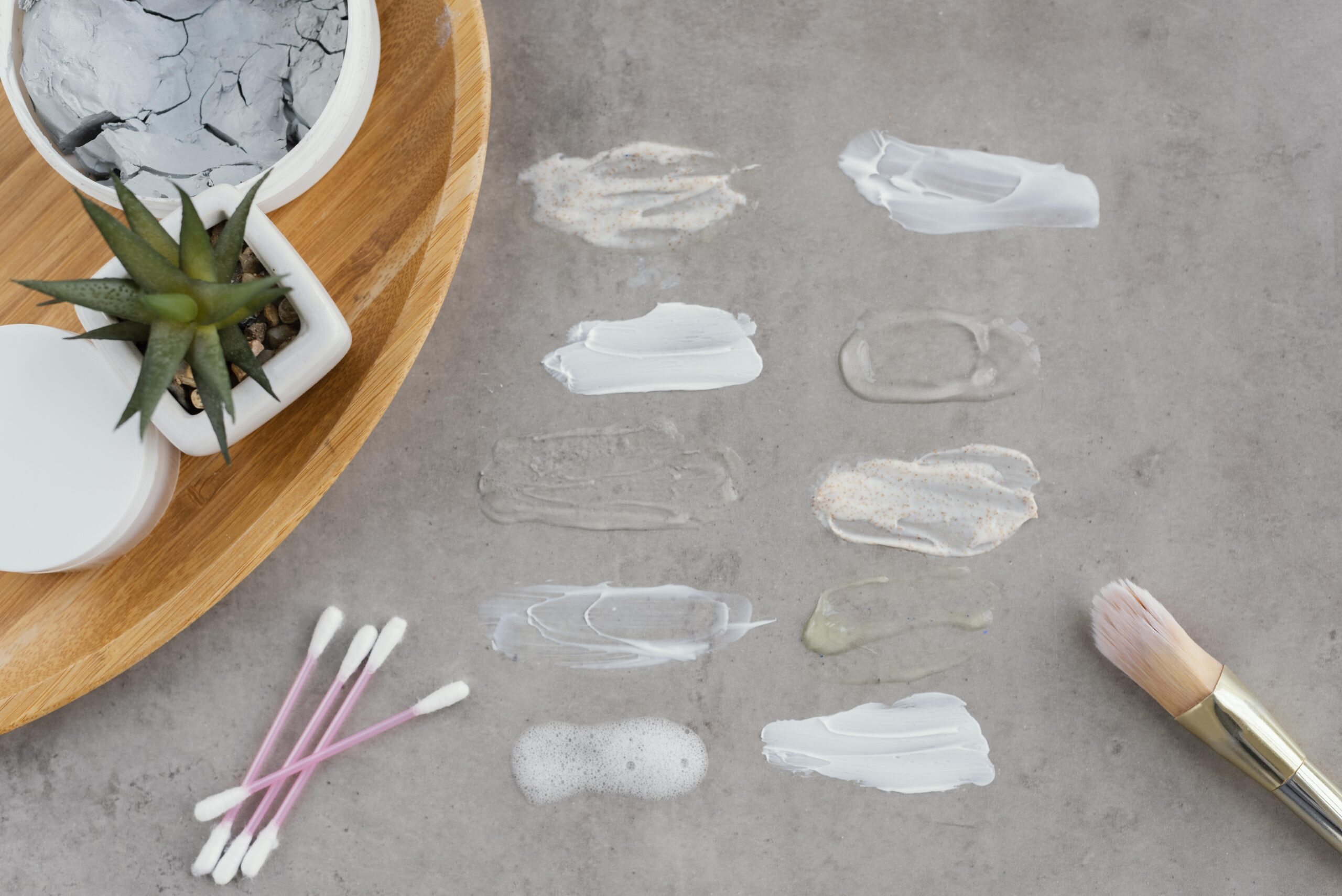
The key difference between oil and water serums lies in how they sit on and interact with the skin. Water-based serums absorb quickly and provide instant hydration, making them ideal for lightweight comfort and fast-penetrating moisture. In contrast, oil serums work by sealing in hydration and reinforcing long-term nourishment, helping maintain softness and protect the skin barrier over extended periods.
Using an oil before a water-based serum is not recommended because heavier oils can block penetration, reducing performance. Water serums should always go first, followed by emulsion or oils if layering.
Which One Should You Choose?
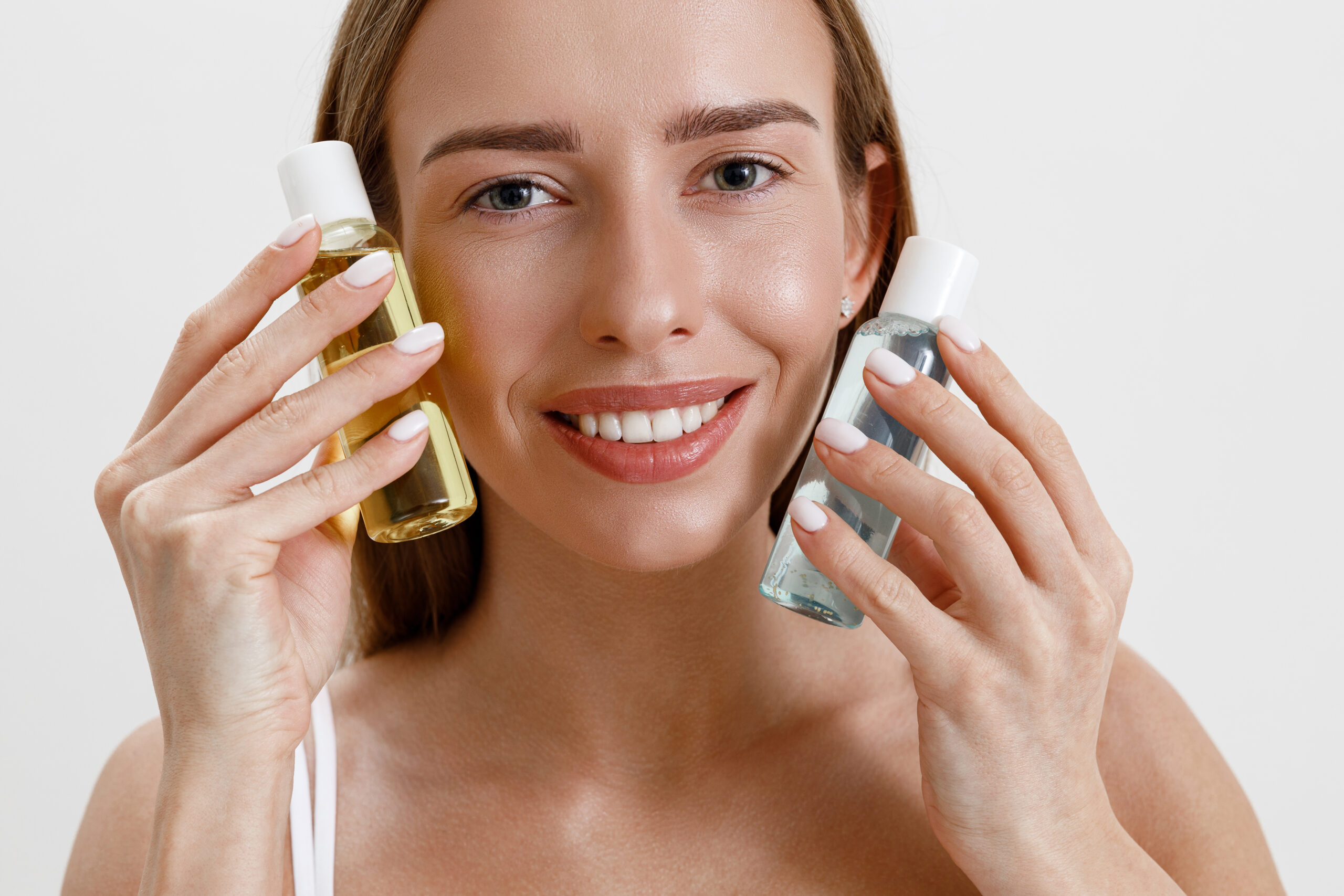
When choosing between oil-based and water-based serums, it helps to consider your skin type and comfort needs.
A water-based serum is ideal if your skin is oily or acne-prone, easily congested, or if you prefer lightweight hydration with fast absorption and no residue.
On the other hand, an oil-based serum is more suitable for dry, flaky, or mature skin that requires nourishment, especially in cold climates or when the skin feels tight after cleansing.
Final Takeaway
Oil-based and water-based serums are not competitors—they’re complements. Water serums hydrate and deliver water-soluble actives, while oil serums protect, nourish, and seal in comfort. Understanding texture and absorption helps you build a routine that gives better hydration, enhanced elasticity, and smoother radiance without irritation.
