

Post-inflammatory hyperpigmentation can worsen with daily sun exposure. Discover why PIH darkens, how UV rays affect healing skin, and simple ways to prevent stubborn dark spots.
Many people fade acne marks, rashes, or irritation scars successfully, only to watch them darken again days or weeks later. The confusing part? It happens even without obvious sunburn or tanning. If you’ve ever wondered why certain spots become more stubborn instead of fading naturally, daily light exposure may be the missing detail most people never think about.
What Is Post-Inflammatory Hyperpigmentation?
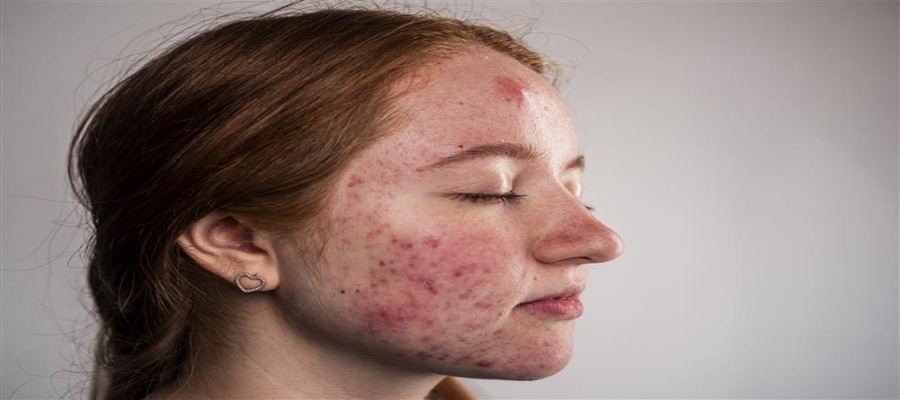
Post-inflammatory hyperpigmentation (PIH) occurs when the skin darkens after inflammation, injury, or irritation. It can develop after acne, rashes, waxing, scrapes, cosmetic procedures, or even insect bites. When the skin experiences a disturbance, pigment-producing cells become more active and release excess melanin into surrounding tissues, creating visible dark marks or patches.
PIH is harmless, but it can be persistent and cosmetically concerning. Unlike freckles or sunspots that develop gradually over time, PIH appears directly after a healing event. It may be pink, brown, or grayish depending on how deep the pigment settles.
Why Healing Skin Is More Sensitive to Light
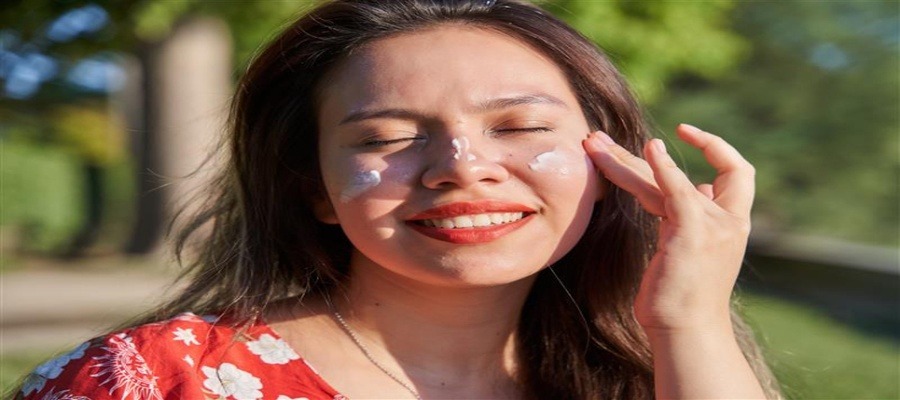
After inflammation, the pigment system becomes more reactive than usual. Melanocytes — the cells that produce melanin — are already stimulated from the healing process. This means the skin has a higher chance of deepening its color when exposed to sunlight, even if the exposure is mild.
The reason is simple: freshly healed skin is still in an active repair mode, and its pigment pathways can be triggered more easily. This makes PIH much more vulnerable to worsening than other forms of discoloration. Sunlight does not need to be intense to create an effect — repeated low-grade exposure is enough to make a mark appear darker or more long-lasting.
How UV Exposure Makes PIH More Noticeable

Ultraviolet (UV) radiation stimulates melanin production, which makes pigmentation deeper and more visible. Even without sunburn, UV exposure creates oxidative stress that encourages pigment transfer from melanocytes into surrounding skin cells. For existing PIH, this process can slow fading, intensify darkness, and make discoloration stay longer than expected.
Repeated exposure also stabilizes pigment, which is why some acne marks or irritation-related spots linger for months instead of fading naturally in a few weeks. PIH behaves like a “reactive stain” — once melanin settles into the healing area, UV can amplify what is already present.
Daily Light Exposure Matters More Than You Think
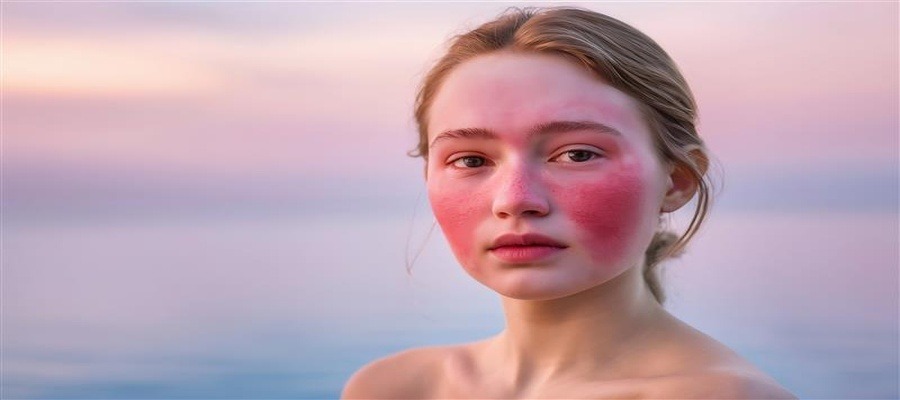
PIH does not require long hours in harsh sunlight to worsen. Everyday exposure — going for a walk, sitting near a window, waiting outdoors, commuting, or running small errands — may be enough to maintain pigment activity.
For individuals with deeper skin tones, the risk becomes more noticeable. Darker phototypes may not burn easily, but they are more prone to long-lasting pigmentation because daily light stabilizes melanin. So while sunburn is less common, stubborn discoloration is more likely.
This explains why PIH often feels like it is fading slowly, then suddenly becomes darker again after light exposure.
Why Preventing Worsening Is Easier Than Correcting It

PIH darkens faster than it fades. Once pigment settles deeply, brightening treatments need more time to reverse it. Therefore, daily maintenance becomes essential — not only for cosmetic reasons, but because preventing deepening is far easier than correcting it after.
Supporting healing skin with consistent photoprotection helps keep discoloration from becoming darker or more resistant. When new inflammation or acne occurs, early protection can limit long-term visibility, improving the outcome from the start.
Final Thoughts
PIH is one of the most common pigmentation concerns, especially after acne or irritation. What makes it challenging is its sensitivity to light during and after healing. Even mild sun exposure can deepen color, delay fading, or make marks long-lasting. For anyone prone to PIH, understanding how sunlight influences healing skin is a key step toward keeping discoloration controlled and improving overall clarity over time.
