


Sun damage explained in simple terms. Learn 7 powerful effects of UV rays on skin, including ageing, dark spots, and how to protect your skin effectively.
Why Sun Damage Matters

Your skin is your body’s first line of defence, but constant exposure to sunlight—especially ultraviolet (UV) rays—can cause more harm than you think. While a little sunshine is good for vitamin D, too much can lead to visible and invisible changes in your skin. Understanding the types of sun damage is the first step toward protecting your face and keeping it healthy.
Sunburn: The Immediate Warning Sign
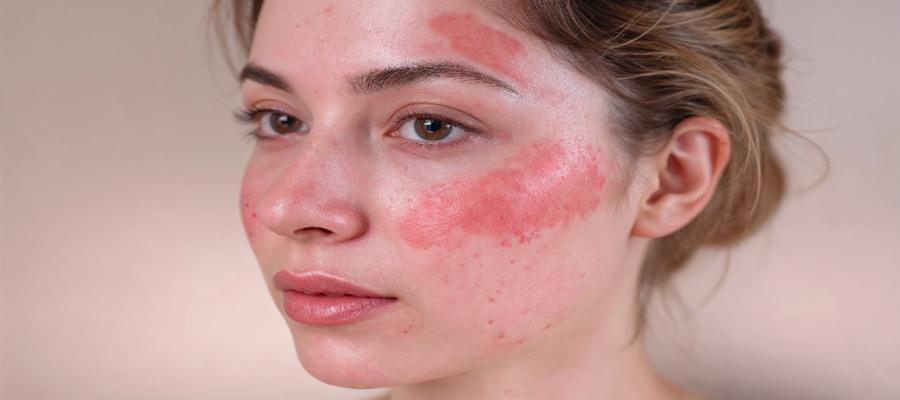
Sunburn is the most common and obvious form of sun damage. It happens when UV rays penetrate the skin and trigger inflammation. Symptoms include redness, pain, and sometimes peeling. While it may seem temporary, repeated sunburns can cause long-term problems like premature aging and even increase the risk of skin cancer. People with lighter skin tones are more prone to sunburn, but anyone can be affected.
Photoaging: Wrinkles and Sagging
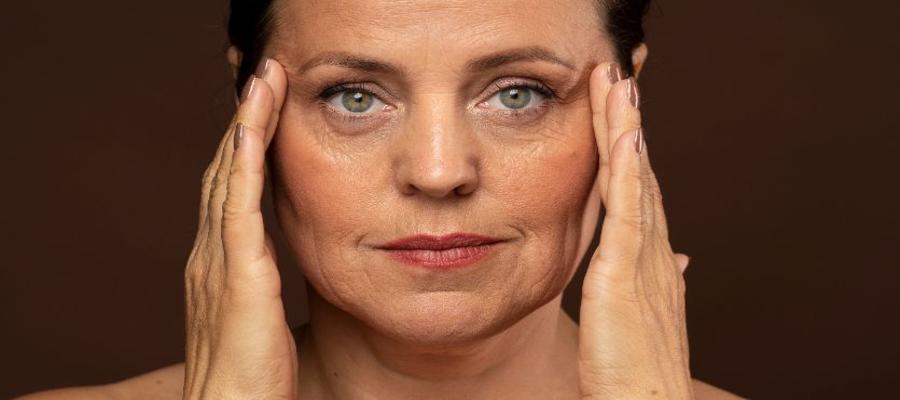
Ever wondered why some wrinkles appear earlier than others? The culprit is often photoaging—skin aging caused by UV exposure. UVA rays penetrate deeper into the skin, breaking down collagen and elastin, which are responsible for firmness and elasticity. Over time, this leads to fine lines, sagging, and uneven texture. Unlike natural aging, photoaging can be prevented with proper sun protection.
Hyperpigmentation and Dark Spots
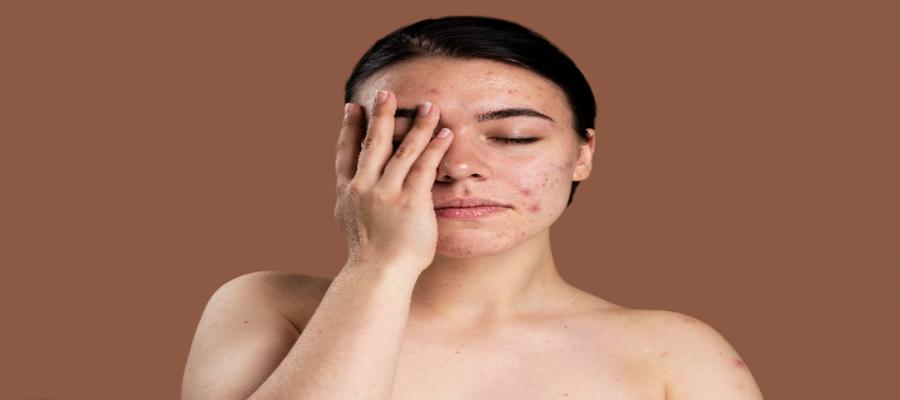
Long-term sun exposure can cause uneven skin tone and dark patches, commonly known as sunspots or age spots. These occur when UV rays stimulate excess melanin production. While harmless, they can make your skin look dull and uneven. Persistent pigmentation changes may also signal deeper photodamage, so don’t ignore them.
Actinic Keratosis: A Precancerous Warning
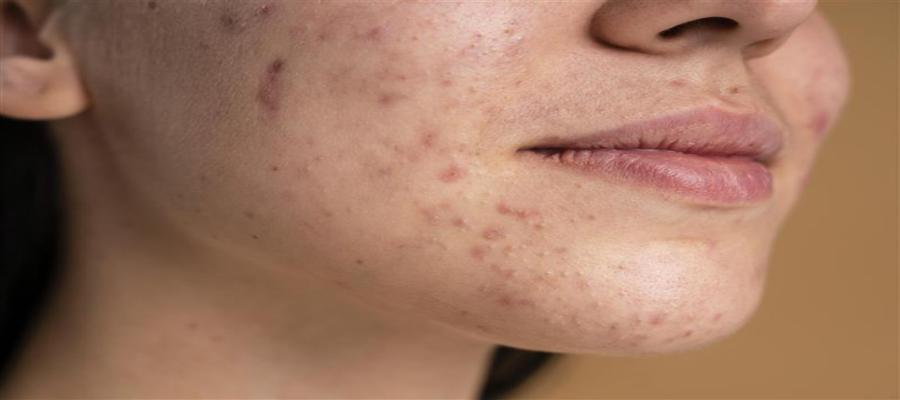
Actinic keratosis appears as rough, scaly patches on sun-exposed areas like the face. These spots are considered precancerous and can develop into squamous cell carcinoma if left untreated. They’re more common in people who spend a lot of time outdoors without protection. Early detection and treatment are key to preventing serious complications.
Skin Cancer: The Most Serious Outcome

Chronic sun exposure significantly increases the risk of skin cancers such as basal cell carcinoma, squamous cell carcinoma, and melanoma. These conditions can occur in any skin type and at any age. Warning signs include new growths, changes in existing moles, or sores that don’t heal. Regular skin checks and sun-safe habits are essential for prevention.
How to Protect Your Skin

The good news? Most sun damage is preventable. Here are simple steps:
- Use a broad-spectrum sunscreen daily.
- Wear protective clothing, hats, and sunglasses.
- Avoid peak sun hours (10 a.m. to 3 p.m.).
- Stay consistent—sun protection is not just for summer.
Key Takeaway
Sun damage doesn’t happen overnight—it’s a gradual process that can lead to serious consequences if ignored. By recognizing the signs early and adopting protective habits, you can keep your skin healthy and youthful for years to come.
