

How sun-induced pigmentation occurs and discover 5 powerful ways melanin protects your skin from UV damage and dark spots.
Sun-induced pigmentation is one of the strongest external stressors for human skin. Sunlight includes a wide range of energy, from ultraviolet (UV) rays to visible light. Among these, UV rays are the most energetic and are responsible for many biological changes in the skin. When UV light reaches skin cells, it can damage DNA directly or create harmful reactive oxygen species (ROS) that trigger oxidative stress. This long-term exposure may cause tanning, dark spots, ageing, inflammation, and several visible signs of photodamage.
Fortunately, the skin has its own natural defence system: melanin, the pigment that gives skin its color and protects against sun-induced pigmentation.
What Is Melanin and Where Does It Come From?
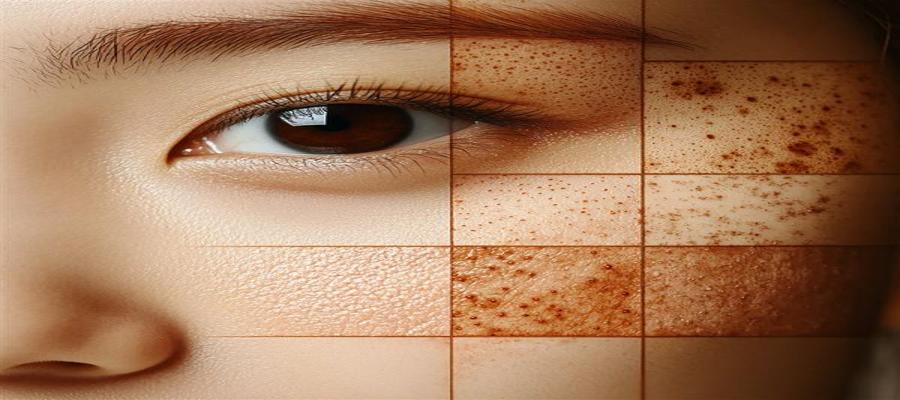
Melanin is produced inside specialized skin cells called melanocytes, located where the upper epidermis meets the dermis. These melanocytes create melanin inside tiny structures known as melanosomes, which are then transferred to nearby skin cells called keratinocytes.
Inside keratinocytes, melanosomes form a protective cap around the cell’s nucleus. This arrangement helps shield DNA from UV radiation, acting as a natural umbrella for the skin. The amount, location, and distribution of melanin influence how the skin responds to daily sunlight.
How Melanin Acts as a Natural Sun Filter
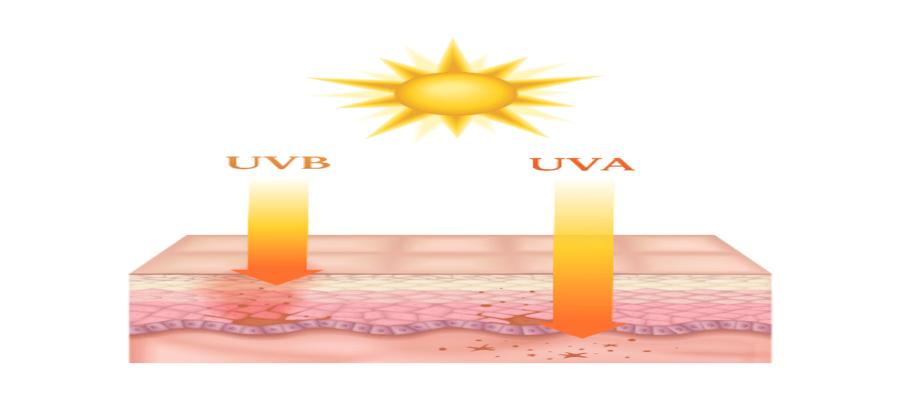
Melanin absorbs UVB, UVA, and even energetic blue visible light. By absorbing this radiation, melanin prevents a large portion of harmful energy from reaching deeper skin layers and reduces the likelihood of direct DNA damage. Melanin also helps neutralize oxidative stress by scavenging ROS that form during UV exposure.
This two-way defence makes melanin a natural UV-blocking pigment as well as a protective antioxidant. Together, these actions help reduce the appearance of sun-induced pigmentation and limit long-term photodamage.
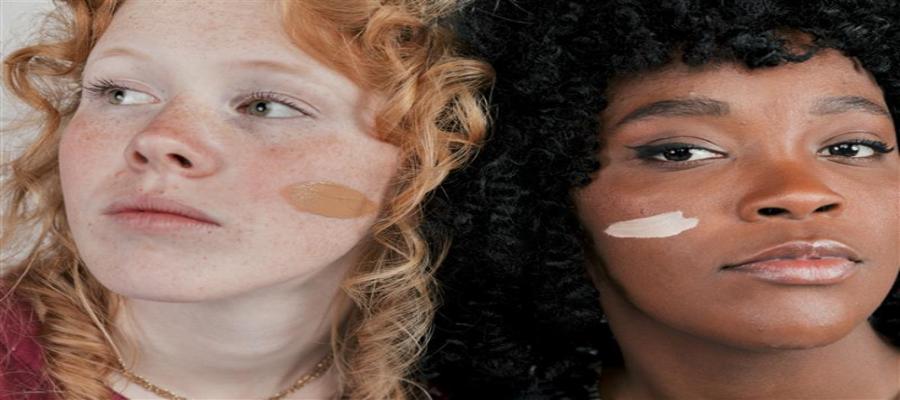
Skin contains two major types of melanin: eumelanin, which is a dark brown or black pigment, and pheomelanin, which is a lighter red or yellow pigment.
Eumelanin offers far stronger photoprotection compared to pheomelanin, which is more common in lighter skin types, blond hair, and red hair. After sun exposure, pheomelanin can generate more oxidative stress, increasing the potential for visible pigmentation changes and photodamage.
This explains why deeper skin tones often tan more evenly, while lighter tones may experience patchiness, redness, faster DNA stress, or early ageing if the skin remains unprotected.
Why Natural Pigment Alone Is Not Always Enough
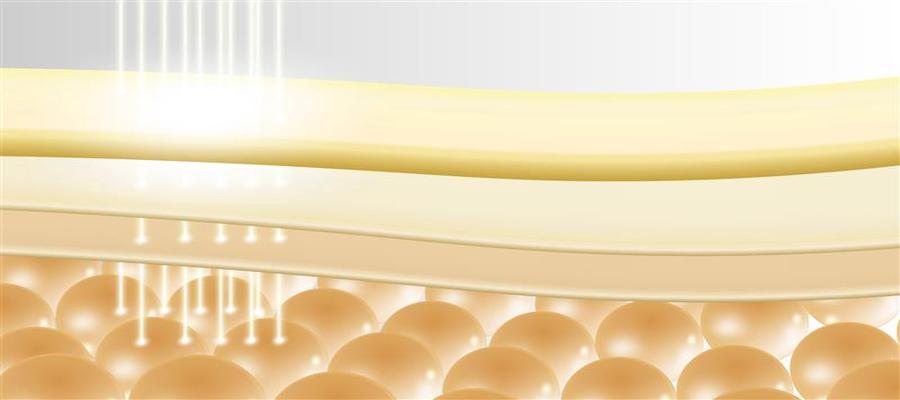
Even though melanin plays a powerful protective role, its natural amount is not sufficient to fully prevent UV damage, especially in individuals with lighter skin tones or higher proportions of pheomelanin. This is why photoprotection must be supported with additional measures, including sunscreens or photoprotective skincare.
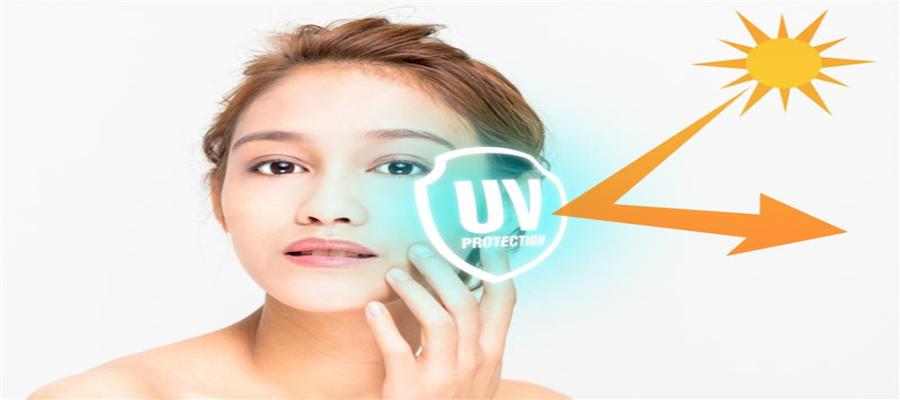
Melanin protects the skin from sun-induced pigmentation, but it can benefit from extra support. Broad-spectrum sunscreens help by absorbing UV energy, reducing oxidative stress, and limiting the formation of dark spots. Alongside sunscreens, certain natural compounds—such as flavonoids, carotenoids, and marine extracts—also show photoprotective activity. These ingredients can absorb UV light or neutralize reactive oxygen species, helping the skin maintain healthy pigmentation. When used consistently, such protective skincare can work with melanin to strengthen its natural barrier and reduce visible sun-related pigmentation.
Final Thoughts
Melanin is the body’s natural shield against sun-induced pigmentation. It absorbs harmful UV and visible light, protects DNA, and minimizes oxidative stress. However, this protection varies with skin type and is often insufficient by itself. Supporting the skin with broad-spectrum sunscreens, antioxidants, and photoprotective skincare strengthens melanin’s natural defence and helps reduce long-term pigmentation issues.
