

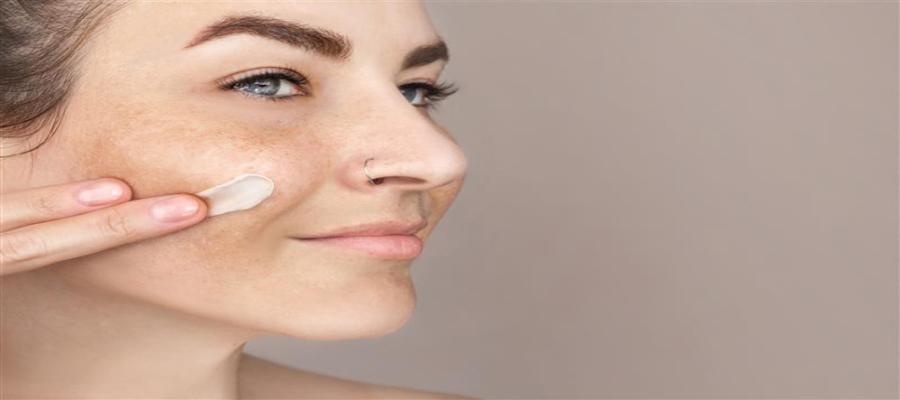
Tinted sunscreen for dark spots helps protect deeper skin tones from visible light, melasma, and pigmentation. Discover how it prevents dark spots effectively.
If you have a deeper skin tone and struggle with stubborn dark spots, melasma, or post-inflammatory pigmentation, you may have noticed something confusing: even after fading them, they keep returning. Many people assume sunscreen is only for preventing sunburn, but in melanin-rich skin, the issue is not just UV. A different form of light—one that surrounds you indoors and outdoors every day—can influence pigmentation far more than most people realize. That is where tinted sunscreen becomes an essential part of daily care.
Why Deeper Skin Responds Differently to Light

Darker phototypes contain higher levels of eumelanin, which helps protect skin against certain UV effects and lowers the tendency to burn. However, deeper tones are more reactive to long-lasting pigmentation when exposed to daily light sources. This means discoloration, acne marks, or melasma patches may darken or persist more noticeably even when the skin does not burn.
The challenge is not dramatic sunlight alone. Everyday light exposure—from indirect daylight, commuting, sitting near windows, or spending time outside—can gradually stimulate pigment responses. For melanin-rich skin, the visible effects are slow, but persistent.
Where Standard Sunscreens Fall Short

Most sunscreens are designed around UV protection, especially UVB, which is responsible for sunburn. SPF numbers measure how well a product protects against UVB radiation but do not represent how much protection a person receives from UVA or visible light.
For individuals with deeper skin tones and pigmentation-prone skin, UV alone isn’t the only trigger. Even when UV protection is strong, visible light can still influence how pigmentation behaves. Standard sunscreens that protect only against UV cannot fully prevent this type of recurrence.
The Role of Visible Light in Dark Spot Formation

Visible light is the portion of sunlight that the eye can see. Unlike UVB, which causes fast tanning or burning, visible light creates a more gradual and longer-lasting influence on melanin responses. This type of exposure may worsen melasma, acne-related pigmentation, or stubborn patches over time—especially in deeper tones.
Because visible light is present everywhere, both outdoors and indoors, skin tone maintenance becomes a daily process rather than a seasonal concern.
Why Tinted Sunscreen Matters
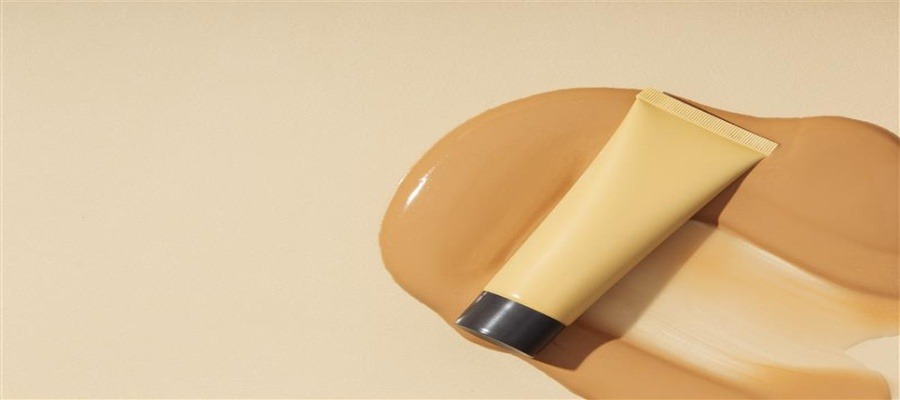
Tinted sunscreens contain pigments such as iron oxides, which help reduce the impact of visible light on the skin. These pigments act as additional filters that go beyond UV protection and are especially helpful in deeper tones where pigmentation can persist even with traditional sunscreen use.
Using tinted sunscreen daily helps stabilize pigmentation, minimize relapse during brightening treatments, and protect against everyday exposure that would otherwise darken marks slowly and repeatedly. For darker skin types, this is one of the most practical ways to maintain an even complexion throughout the year.
Who Should Consider Tinted Sunscreen?

Tinted sunscreen is particularly beneficial for individuals who have melasma, acne marks, or post-inflammatory hyperpigmentation, as these conditions tend to relapse easily with daily light exposure. It is also valuable for anyone undergoing brightening treatments, since the skin becomes more responsive and requires stronger maintenance. People who have a history of recurrent dark patches or discoloration will benefit from daily tinted sunscreen use, especially if they spend time near windows or in moderate daylight. Those with deeper or melanin-rich phototypes often see the greatest improvement, as visible light protection helps stabilize their pigmentation more effectively.
The benefit is not restricted to cosmetic coverage—it is a photoprotective measure that supports pigment control and daily maintenance.
Key Takeaway
In deeper skin tones, preventing dark spots is not only about fading them—it is about blocking the types of light that trigger recurrence. UV-only sunscreen may reduce sunburn and general aging, but it cannot fully prevent visible-light–driven pigmentation. Tinted sunscreen adds an extra layer of defense, helping keep discoloration from returning and supporting long-term clarity in melanin-rich skin.
