


How visible light and UV pigmentation affect your skin, and learn 6 powerful ways light exposure causes dark spots and uneven tone.
Skin is exposed to a wide range of light every day, from ultraviolet (UV) rays to visible wavelengths. While UV light is well known for its role in tanning and sun damage, newer evidence shows that visible light can also influence pigmentation and contribute to gradual darkening or uneven tone.
How UV Light Triggers Pigmentation
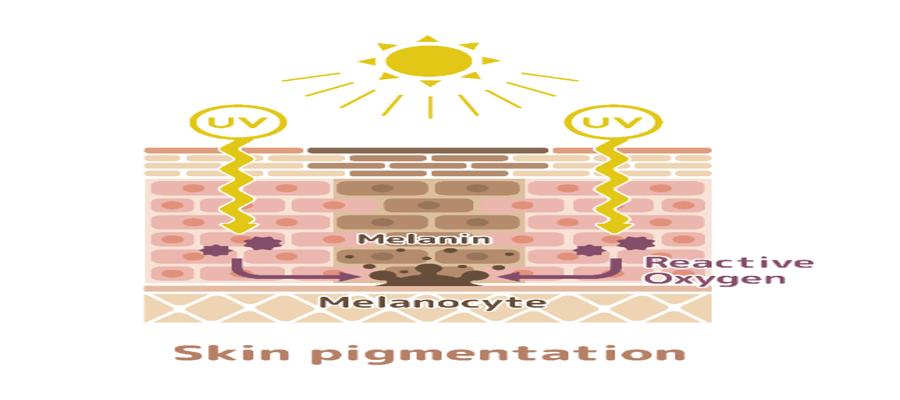
UV rays are highly energetic and interact quickly with the upper layers of the skin. Once absorbed, they stimulate pigment pathways that increase melanin synthesis. This is why sun exposure leads to tanning or dark spots. Repeated UV exposure can intensify this process, creating more visible pigmentation in certain areas of the face or body.
UV energy also contributes to oxidative stress within skin cells. Over time, this can influence how pigment is distributed, leading to dullness, discoloration, and signs of photoaging. The level of pigmentation depends on how long and how frequently the skin is exposed to UV and how responsive an individual’s pigment system is.
How Visible Light Affects Skin Tone
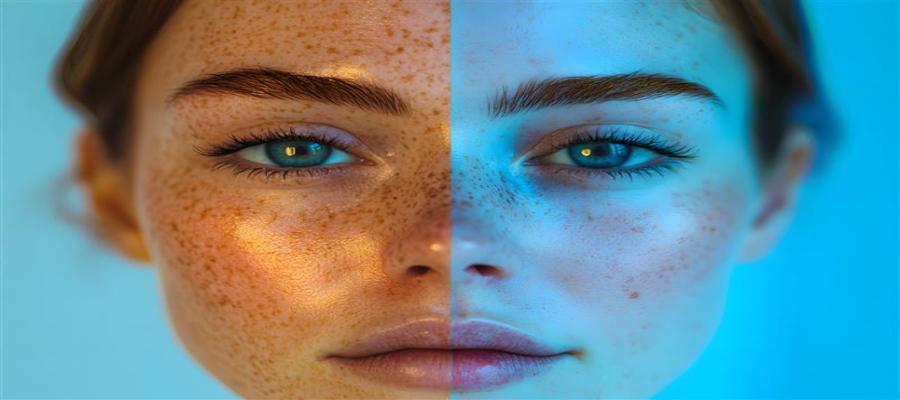
Visible light is part of the sunlight spectrum that the human eye can see, including blue, green, and red wavelengths. Historically, pigmentation research focused only on UV radiation. However, visible light—especially high-energy blue light—can also activate pigment pathways and contribute to darkening.
Unlike UVB rays, which cause rapid tanning, visible light tends to have slower but longer-lasting effects. It can increase oxidative stress within the epidermis and intensify melanin-related responses, which may lead to persistent pigmentation or uneven tone. Visible light exposure occurs outdoors, but also indoors through digital screens and artificial lighting.
The Combined Influence of Light
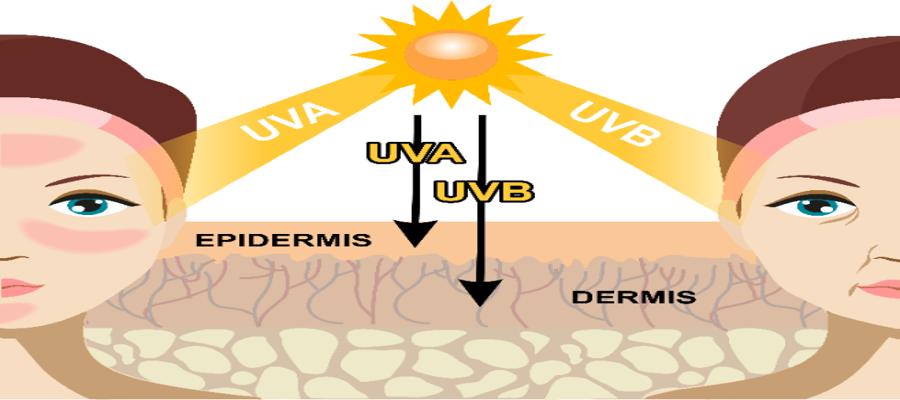
Different wavelengths of light do not act in isolation. UV rays and visible light together influence pigmentation more than UV alone. UVB triggers fast melanin production and tanning, UVA penetrates deeper into the skin, and visible light can stabilize pigment pathways that make darkening more persistent.
Even when sunlight is mild or indirect, daily exposure can gradually influence pigment activity. The cumulative effect explains why pigmentation may appear even when a person is not spending long hours in the strong sun.
Why Daily Exposure Matters
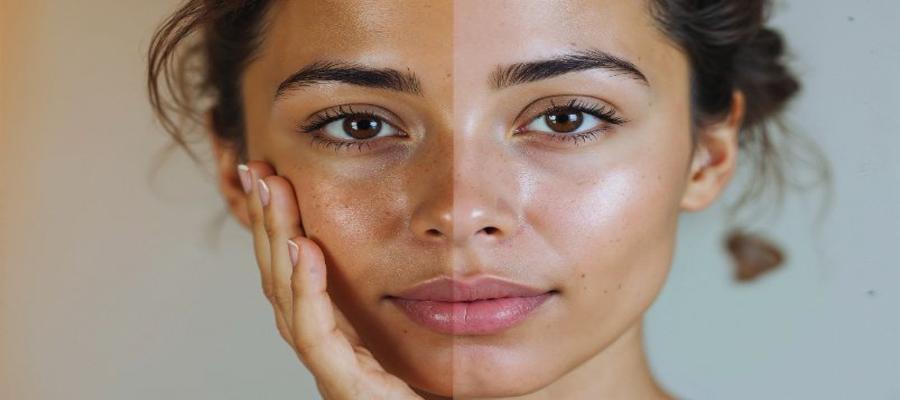
Pigmentation is not just the result of a single intense sun exposure. Small, repeated interactions with light—outdoors or indoors—can encourage long-term pigment changes. Over time, this contributes to dark spots, tanning, uneven skin tone, and age-related discoloration, especially in people with higher melanin sensitivity.
Because light exposure is continuous and varied throughout the day, pigmentation becomes a dynamic process influenced by lifestyle, environment, and natural melanin activity.
Final Thoughts
Both UV radiation and visible light play meaningful roles in how pigmentation develops. UV exposure can rapidly stimulate melanin production, while visible light may create more gradual and long-lasting darkening. Understanding how different wavelengths influence the skin helps explain why pigmentation persists over time and why it varies across individuals and conditions.
