


What causes acne on the face, including 7 hidden triggers and simple tips to prevent breakouts and achieve clear, healthy skin.
What causes acne on the face is one of the most common skincare questions. Acne isn’t just about oily skin — often, external and lifestyle triggers play a huge role. While clogged pores and oil production are the classic causes, certain day-to-day habits and environmental factors can silently fuel breakouts. Once you know what to watch out for, you’ll have a much better shot at clearer skin.
Why Acne isn’t Always About Dirt
Many people assume breakouts are a result of poor hygiene. The truth? Acne “trigger factors” are much more subtle. Often, acne flares up not because skin is “unclean,” but because underlying triggers disrupt normal skin balance — from oil production to pore function.
Common “Hidden” Acne Triggers You Should Know
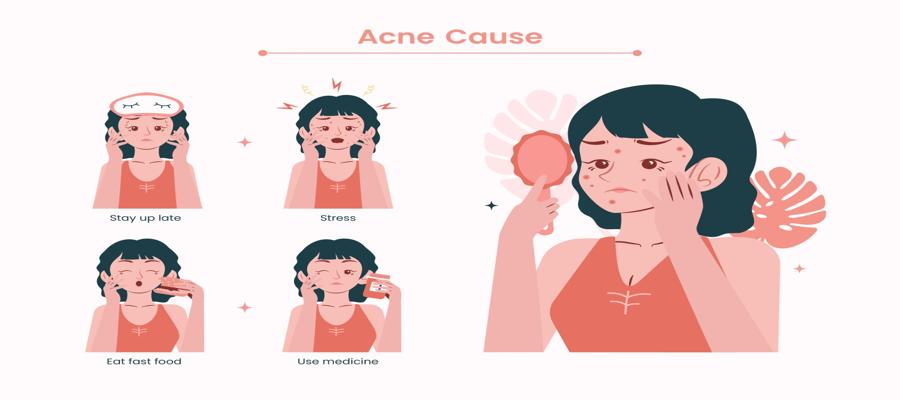
Hormonal Swings & Internal Changes
Hormonal fluctuations during puberty, menstrual cycles, emotional stress, or other internal changes can stimulate the oil glands. When the skin produces more oil than usual, pores become more prone to clogging, which increases the likelihood of breakouts.
Diet & What You Eat
Certain eating patterns can influence breakouts. Foods that spike blood sugar or meals that are heavy and rich may affect how much oil the skin produces or how sensitive it becomes to inflammation. When the diet is unbalanced, skin may become more reactive, and acne can appear more frequently.
Use of Cosmetics or Heavy Skin Products
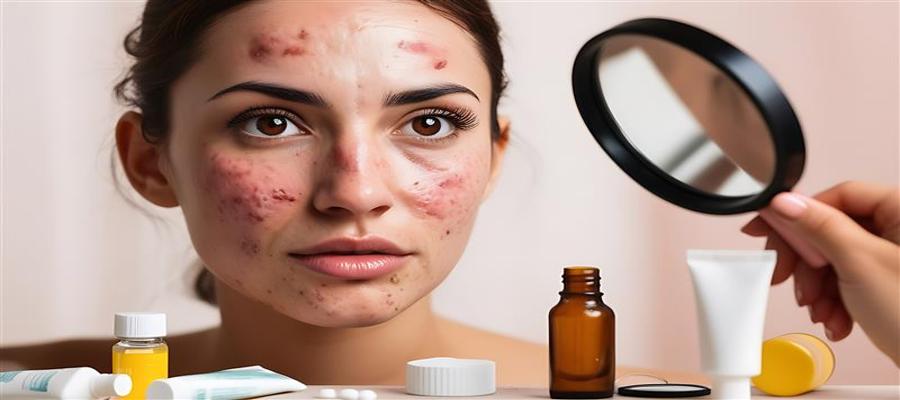
Cosmetics and skincare products can trigger acne when they are too thick, oily, or not suited for the skin. Layers of makeup, heavy creams, or products that don’t rinse off completely can sit inside pores and mix with natural oils. Over time, this buildup creates the ideal environment for breakouts.
Stress, Sleep & Lifestyle Patterns
High stress levels and irregular sleep routines can affect how the skin repairs itself and how much oil it produces. When stress hormones increase, or the body doesn’t get enough rest, the skin becomes more reactive. This can lead to more frequent flare-ups or make existing acne look worse.
Skin Irritation, Friction or Poor Skincare Habits
Constant rubbing, touching the face, wearing tight gear, or even using harsh skincare products can irritate pores. Friction and pressure can cause pore blockages, while overly aggressive routines may weaken the skin barrier. When the barrier is disrupted, acne tends to form more easily and heal more slowly.
Simple Ways to Minimize These Triggers
A few thoughtful adjustments can make a noticeable difference. Using non-comedogenic products helps prevent pore blockage. Keeping the skin clean without over-scrubbing maintains its natural balance. Being mindful of diet, staying hydrated, and reducing sugary foods may help control flare-ups. Getting consistent sleep, managing stress, and avoiding unnecessary friction on the skin support a calmer environment for healing.
Final Takeaway
Acne often starts inside — but its triggers live outside. Oil production, pore blockage, and bacteria are the biological core of acne. But what often pulls the trigger for a breakout are our lifestyle, habits, and choices. When you understand and manage these hidden factors — from diet and stress to cosmetics and sleep — you give your skin a better chance at staying clear.
Sometimes the secret isn’t “stronger creams,” but smarter habits.
