


what is acne and why it happen, including its causes, triggers, and simple tips to prevent breakouts for healthier skin.
Acne is one of the most common skin concerns worldwide, affecting people of all ages. But what exactly is acne, and why does it happen? Understanding the science behind it can help you manage breakouts better and prevent long-term skin issues.
What Is Acne?
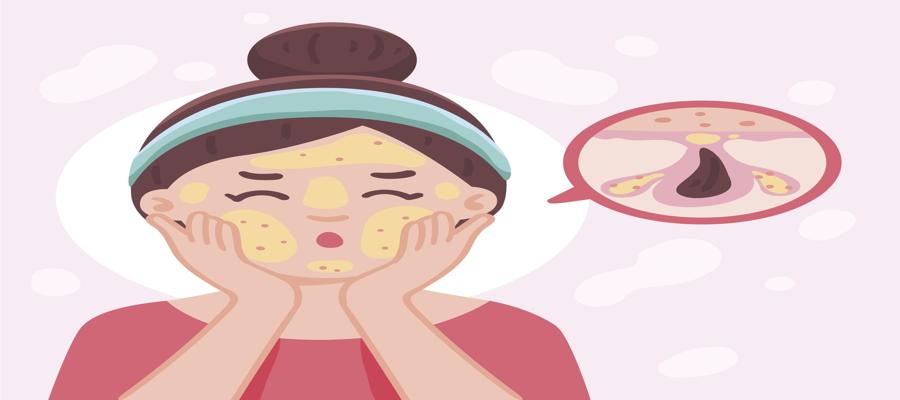
Acne is a skin condition that occurs when your hair follicles become clogged with oil, dead skin cells, and sometimes bacteria. These blockages lead to different types of pimples—whiteheads, blackheads, papules, pustules, and in severe cases, nodules or cysts. While acne is most common during teenage years, it can affect adults too.
Why Does Acne Happen?
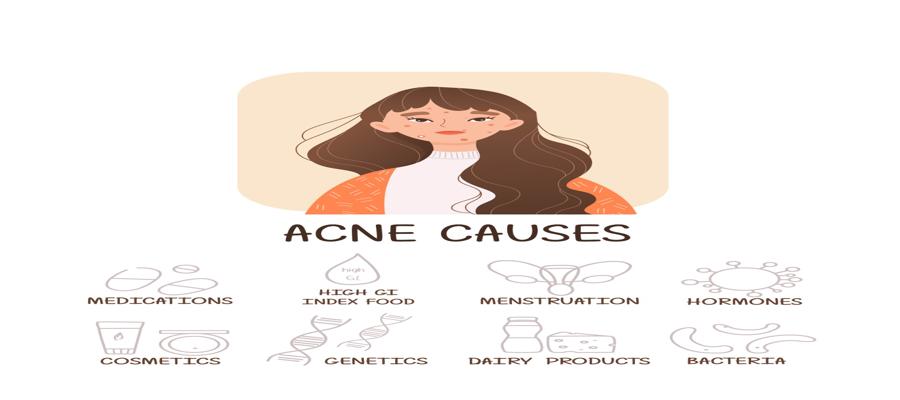
Acne doesn’t appear out of nowhere. It’s the result of several factors working together:
- Excess Oil Production
Your skin naturally produces oil (sebum) to keep it hydrated. But when your oil glands become overactive, they produce too much sebum. This excess oil mixes with dead skin cells and clogs pores, creating the perfect environment for acne.
- Dead Skin Cell Build-Up
Skin cells constantly renew themselves. When old cells don’t shed properly, they accumulate and block pores. Combined with oil, this forms a plug that traps bacteria inside.
- Bacterial Growth
A type of bacteria called Cutibacterium acnes lives on everyone’s skin. Normally, it’s harmless. But when trapped inside clogged pores, it multiplies and triggers inflammation, leading to red, swollen pimples.
- Hormonal Changes
Hormones play a big role in acne. During puberty, pregnancy, or even stress, hormone levels fluctuate, increasing oil production. That’s why breakouts often happen during these times.
Common Triggers for Acne
While the root causes of acne are internal, certain habits and lifestyle factors can make breakouts worse. Diet plays a role—foods high in sugar and dairy may contribute to flare-ups. Stress is another big trigger because stress hormones can increase oil production, making your skin more prone to pimples. Using harsh skincare products or over-cleansing can damage your skin barrier, leading to irritation and more breakouts. And one simple habit—touching your face—can transfer dirt and bacteria, which can clog pores and worsen acne.
Can Acne Be Prevented?
You can’t always prevent acne completely, but you can reduce its severity with a few simple habits. Start by washing your face gently twice a day to keep pores clean without irritating the skin. Choose non-comedogenic skincare products that won’t clog pores and worsen breakouts. Avoid picking or squeezing pimples, as this can lead to marks and scars that are harder to treat. Finally, manage stress and maintain a balanced diet, since both can influence oil production and overall skin health.
The Bottom Line
Acne happens when oil, dead skin cells, and bacteria combine inside clogged pores, often influenced by hormones and lifestyle factors. Understanding this process helps you choose the right skincare and avoid habits that make breakouts worse. With consistent care and, if needed, professional help, acne can be managed effectively.
